It usually starts small.
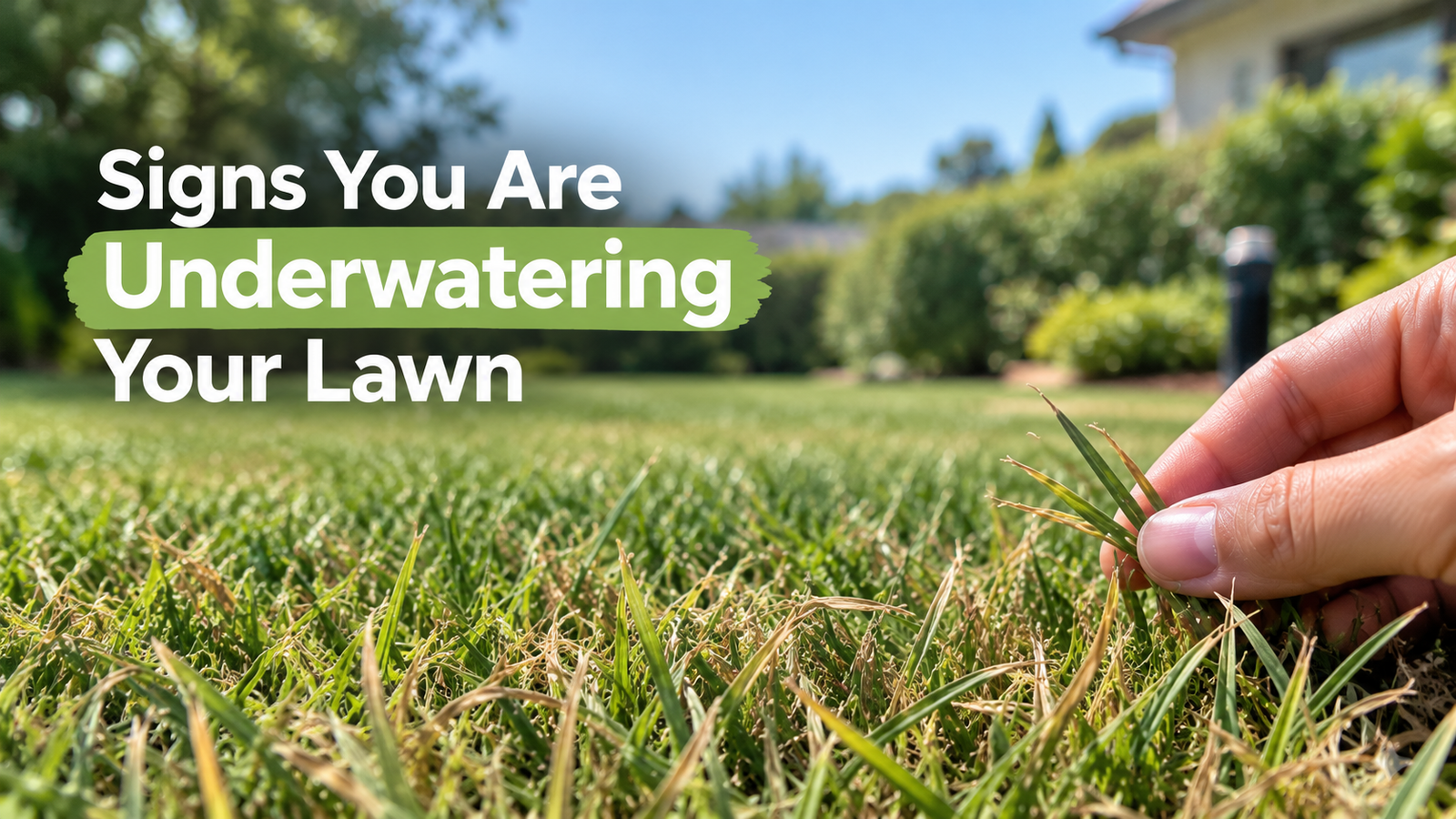
A soggy patch of grass near the driveway that never seems to dry out. A sprinkler head that still pops up but barely sprays water. A brown, dry strip along one side of the lawn while the rest of the yard stays green.
At first, these problems may not seem urgent. But over time, a small irrigation issue can lead to higher water bills, unhealthy landscaping, and a sprinkler system that no longer performs the way it should.
If you are a homeowner dealing with these problems, you are not alone. Sprinkler repair in Fort Walton Beach is one of the most common service requests we receive at Summit Outdoors Irrigation, and it is rarely because a homeowner has ignored their system. Irrigation equipment works outdoors year-round, and in Fort Walton Beach, local weather and soil conditions can put additional stress on sprinkler components over time.
At Summit Outdoors Irrigation, we have more than 30 years of experience working with irrigation systems. We help homeowners diagnose and repair existing sprinkler systems, including damaged sprinkler heads, faulty valves, controller issues, irrigation leaks, and other system problems.
Our goal is not only to repair the immediate issue but also to help homeowners understand what caused the problem and what repair options make the most sense for their property.
In this guide, we will explain why sprinkler systems in Fort Walton Beach experience specific challenges, the most common sprinkler problems homeowners face, what happens during a professional repair visit, factors that affect repair costs, and when a DIY solution may be enough versus when professional help is recommended.
Why Sprinkler Systems in Fort Walton Beach Need Professional Repair
Every irrigation system experiences wear over time, but the speed of that wear depends heavily on the environment where the system operates.
Fort Walton Beach sits along Florida’s Emerald Coast, where irrigation systems are exposed to a unique combination of heat, sandy soil, coastal conditions, and seasonal rainfall. These factors can create challenges that many inland irrigation systems do not experience.
Florida summers bring high temperatures that place additional stress on irrigation components, and over time this can contribute to worn fittings, weakened connections, or small leaks in some systems.
The sandy soil common in this region also affects irrigation systems. Sandy soil drains quickly and shifts more easily than heavier clay soil, so normal ground movement, settling, landscaping work, lawn equipment, or foot traffic can, over time, contribute to shifted pipes, damaged fittings, or underground leaks.
Coastal conditions can create additional concerns as well. Salt exposure may contribute to corrosion in certain metal components, including valve solenoids, wiring connections, and controller terminals. Heavy rainfall can also create problems by allowing water to collect around valve boxes or exposing existing weaknesses in electrical connections.
Local water authorities, such as the Northwest Florida Water Management District, may set guidelines around landscape irrigation in this region, and these guidelines can vary depending on your specific location. Maintaining an efficient sprinkler system not only helps protect your lawn but can also reduce unnecessary water waste.
These conditions do not necessarily mean an irrigation system was installed incorrectly. They simply mean sprinkler systems in coastal Florida require regular attention and proper maintenance.
An older system that has not been inspected for several years may develop multiple small issues at the same time. A minor leak can reduce water pressure in one zone, causing sprinkler heads to perform poorly. Homeowners may then increase watering times, which increases water usage without solving the underlying problem.
Professional sprinkler repair helps identify the actual cause of the issue instead of only treating the visible symptom. A proper diagnosis can save homeowners time, money, and unnecessary replacement costs.
Common Sprinkler Problems Homeowners Experience
Even a well-installed irrigation system will eventually experience problems. Sprinklers operate outdoors through heat, rain, lawn maintenance, and seasonal changes, which means individual components can wear out or become damaged over time.
Understanding the most common sprinkler problems can help homeowners recognize issues early and avoid larger repairs.
Broken Sprinkler Heads
Broken or damaged sprinkler heads are one of the most common irrigation problems homeowners experience.
You may notice a sprinkler head that does not pop up, sprays unevenly, rotates incorrectly, or leaks continuously even after the irrigation cycle ends. In some cases, the sprinkler head may have been damaged by lawn equipment, landscaping work, or normal wear.
Other common causes include dirt, sand, or debris entering the nozzle and affecting water flow. Internal seals and moving parts can also wear down over time, causing the sprinkler head to perform poorly.
A single damaged sprinkler head can affect the water coverage of an entire irrigation zone. When one area of your lawn receives too much or too little water, it can create dry patches, overwatering, or unnecessary water waste.
Replacing the damaged component and checking the surrounding system can help restore proper coverage. At Summit Outdoors Irrigation, our sprinkler system repair services include diagnosing and repairing individual sprinkler heads as well as larger irrigation system issues.
Low Water Pressure
Low water pressure is another common issue that can make your sprinkler system appear functional while preventing it from working effectively.
For example, a sprinkler head that previously sprayed water 15 feet may suddenly only reach half that distance. This often indicates a problem somewhere within the irrigation zone rather than the sprinkler head itself.
Possible causes of low water pressure include:
- A partially closed sprinkler valve
- A leak somewhere in the irrigation line
- Sand or debris restricting water flow
- A damaged pipe or connection
- Issues with the water source or pump system
Many homeowners assume replacing sprinkler heads will solve pressure problems, but the actual cause may be located elsewhere in the system.
The EPA WaterSense program recommends evaluating the entire irrigation system rather than focusing only on the first visible symptom, since that’s usually the fastest way to find where the pressure is actually being lost.
Uneven Water Coverage
A healthy lawn requires consistent water distribution throughout the landscape. When some areas remain green while others become dry or stressed, the problem may not be your watering schedule.
Uneven sprinkler coverage can happen for several reasons, including:
- Sprinkler heads that have moved out of position
- Incorrect spray patterns
- Clogged nozzles
- Damaged sprinkler components
- Changes in landscaping that block water flow
- Wind affecting spray direction
Sometimes the issue is not one major failure but several small problems happening together. A few sprinkler heads may no longer cover their intended areas, or a nozzle may not distribute water evenly.
Correcting these issues can improve lawn health while helping prevent water waste caused by running irrigation cycles longer than necessary.
Sprinkler Valve Problems
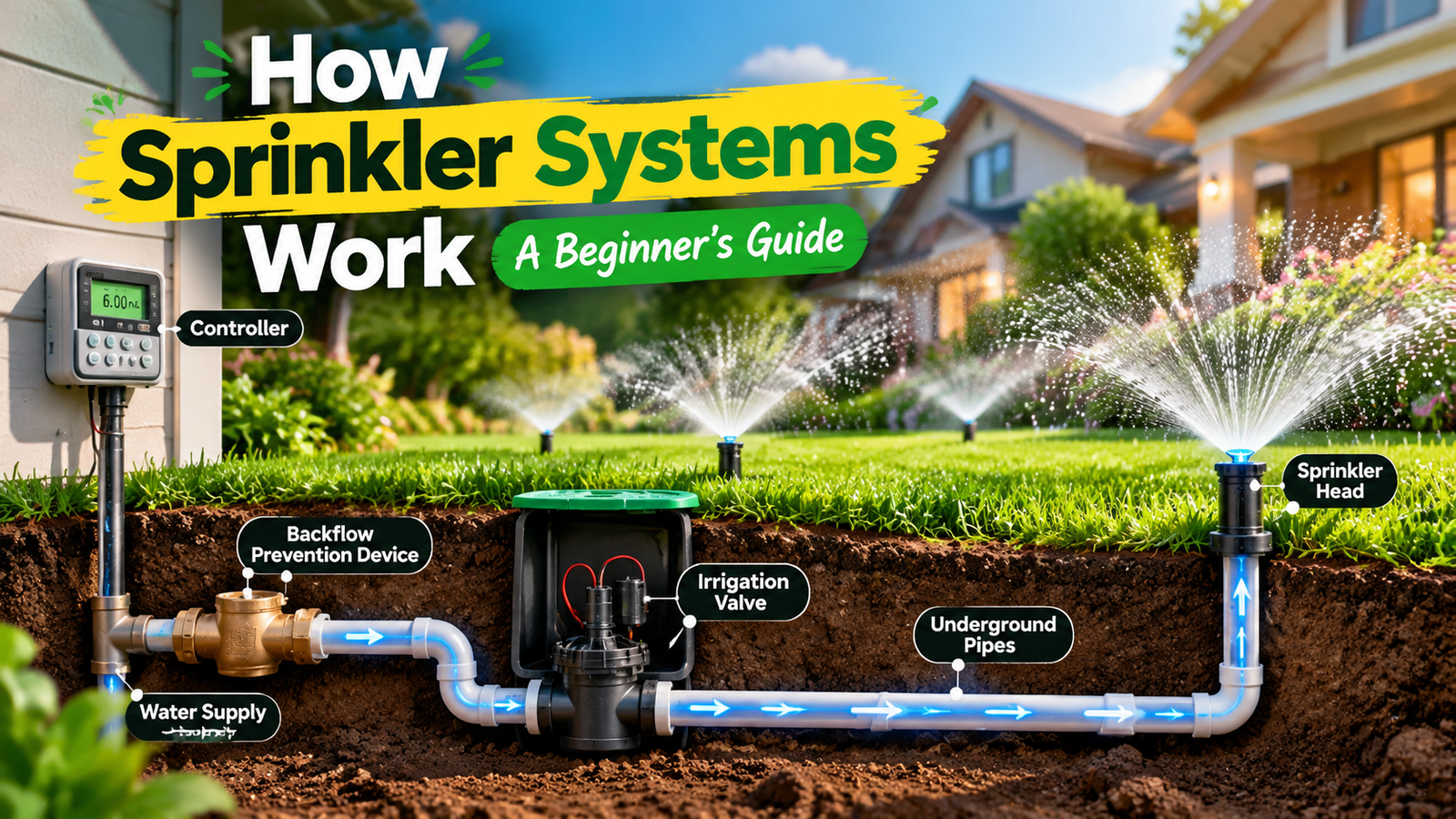
Sprinkler valves control when water flows into each irrigation zone. When a valve fails, it can affect an entire section of your sprinkler system.
Common signs of valve problems include:
- A zone that will not turn on
- A zone that will not shut off
- Sprinklers running at the wrong time
- Weak water flow in a specific area
Valve problems are often caused by debris inside the valve, damaged diaphragms, worn components, or faulty solenoids.
A valve that remains open can waste significant amounts of water because the system continues running even when it should be turned off. On the other hand, a valve that fails to open can prevent an entire irrigation zone from receiving water.
Because valve issues can affect multiple sprinkler heads at once, accurate diagnosis is important before replacing parts.
Irrigation Leaks
Irrigation leaks are another common reason homeowners contact a professional sprinkler repair company.
Some leaks are easy to identify, such as water pooling around a sprinkler head or a visibly damaged pipe. However, many irrigation leaks occur underground and may remain unnoticed for a long time.
Common signs of a hidden sprinkler leak include:
- A soft or constantly wet area in the lawn
- Unexplained increases in water bills
- Water collecting near sprinkler heads
- Reduced sprinkler pressure
- Areas of grass growing unusually faster than surrounding areas
Underground leaks can develop because of cracked pipes, damaged fittings, ground movement, or previous landscaping work.
Ignoring a small leak can allow the problem to become worse. Over time, leaking water can reduce system performance, waste water, and contribute to soil erosion around underground pipes.
If you suspect an irrigation leak, having the system inspected early can help prevent more expensive repairs later.
Controller and Timer Issues
Sometimes the sprinkler system itself is working properly, but the irrigation controller is creating the problem.
Controllers manage when each irrigation zone runs and how long watering cycles continue. When a controller fails, homeowners may notice:
- Zones not turning on
- Incorrect watering schedules
- The controller losing programming
- Sprinklers running at unexpected times
Controller problems can be caused by several issues, including power interruptions, damaged wiring, failed backup batteries, or corrosion around electrical connections.
A controller problem can sometimes look similar to a valve issue because both may cause a zone to stop working. This is why proper troubleshooting is important before replacing components.
For homeowners considering an upgrade, EPA WaterSense-labeled controllers may help improve efficiency by adjusting watering schedules based on weather conditions rather than relying only on fixed timers.
What Happens During a Sprinkler Repair Service Visit?
Many homeowners hesitate to schedule sprinkler repair because they are unsure what the process involves. Here is what homeowners can typically expect during a sprinkler repair service visit.
Step 1: Initial Inspection and System Evaluation
The first step is understanding what is happening with your irrigation system.
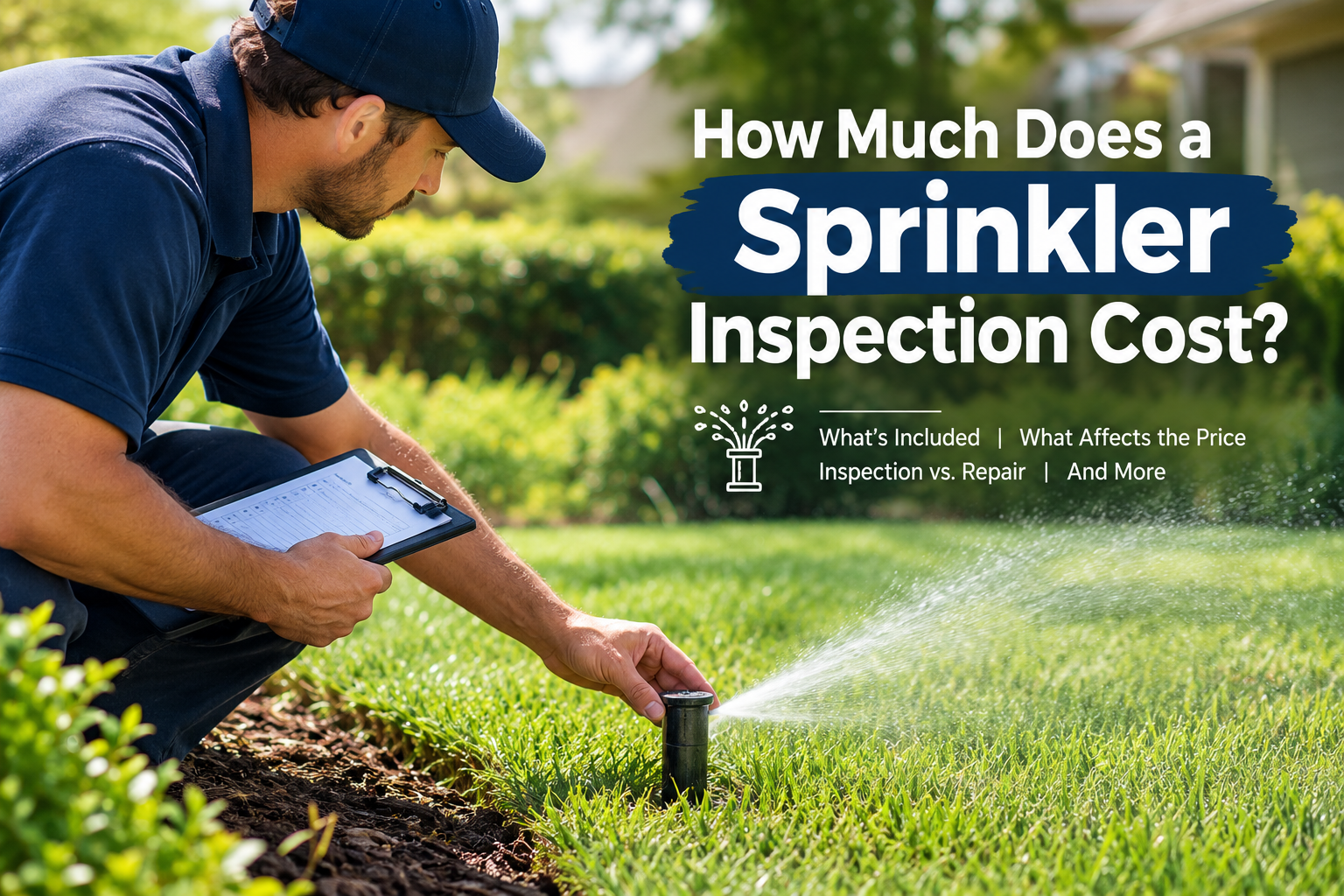
A technician will inspect the property, review the issues you have noticed, and examine the sprinkler system components. This may include checking:
- The irrigation controller settings
- Sprinkler heads and spray patterns
- Valve boxes
- Visible leaks or damaged areas
- Areas of the lawn receiving too much or too little water
The technician may also ask questions about when the problem started, whether any landscaping work was recently completed, and whether the system has experienced similar issues before.
This information helps create a clearer picture of what may be causing the problem.
Step 2: Testing Each Irrigation Zone
After the initial inspection, the irrigation system is tested zone by zone.
Running each zone individually allows the technician to observe how the system performs under normal operating conditions. Some issues are not obvious when simply looking at the sprinkler heads.
For example, a sprinkler head may appear normal when the system is off but may have weak pressure, poor coverage, or uneven spray when the zone is running.
Testing each zone helps identify whether the issue is limited to one component or affecting multiple areas of the irrigation system.
Step 3: Finding the Root Cause of the Problem
This is one of the most important parts of professional sprinkler repair.
Many irrigation problems can have similar symptoms but completely different causes.
For example, poor water coverage could be caused by:
- A clogged sprinkler nozzle
- A damaged sprinkler head
- Low water pressure
- A leaking underground pipe
- A failing valve
Simply replacing a sprinkler head may not solve the problem if the actual issue is somewhere else in the system.
An experienced irrigation technician will evaluate the entire zone and identify the source of the problem before recommending repairs.
At Summit Outdoors Irrigation, our approach is to recommend a repair solution that makes sense for your specific system, not just the first fix that comes to mind.
Step 4: Explaining Repair Options
Once the problem has been identified, the repair options should be clearly explained.
A professional irrigation company should help homeowners understand:
- What caused the problem
- Which components need repair or replacement
- How serious the issue is
- What options are available
- What the expected cost may be
Some repairs are simple, such as replacing a damaged sprinkler head or clearing a clogged nozzle.
Other issues may require more extensive work, such as repairing underground pipes, replacing valves, or addressing multiple failing components in an older system.
In some cases, repairing one small area may not be the best long-term solution if the system has widespread damage. A professional assessment can help homeowners make an informed decision.
Step 5: Completing Repairs and Testing the System
After repairs are completed, the affected irrigation zones should be tested again.
This final testing step confirms that:
- Water pressure has been restored
- Sprinkler heads are working correctly
- Coverage is improved
- Valves open and close properly
- The controller operates as expected
A repair is not complete simply because a part has been replaced. The system needs to perform correctly to ensure the problem has actually been solved.
What Affects the Cost of Sprinkler Repair in Fort Walton Beach?
One of the most common questions homeowners ask is, “How much does sprinkler repair cost?”
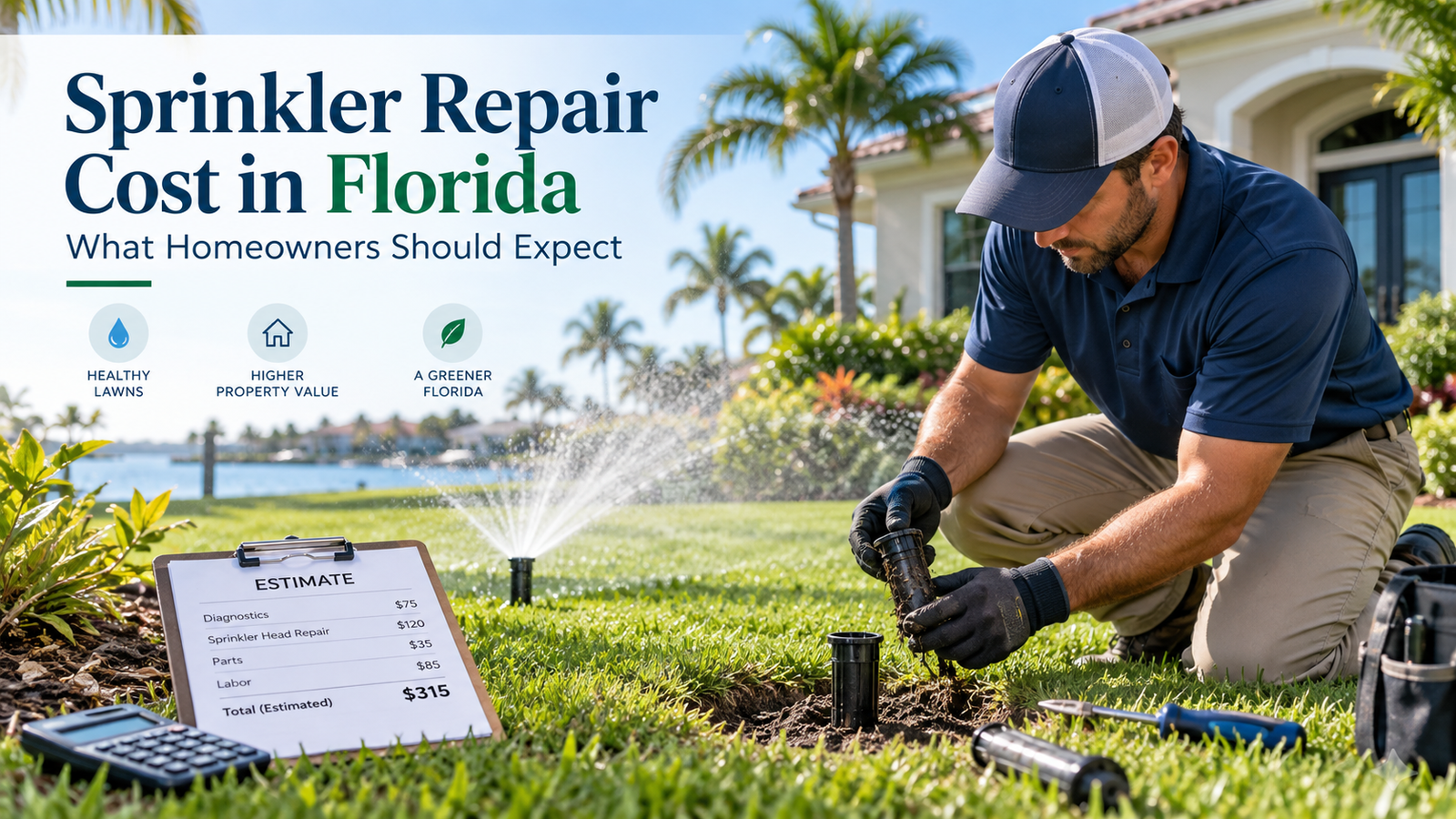
The answer depends on several factors, including the type of problem, the parts required, the amount of labor involved, and how accessible the damaged component is.
A company that provides an exact price without inspecting the system is often making an assumption because irrigation problems can vary significantly.
Here are the main factors that influence sprinkler repair costs.
Minor Sprinkler Repairs
Minor repairs are usually the simplest and most affordable type of irrigation service.
Examples include:
- Replacing a broken sprinkler head
- Cleaning a clogged nozzle
- Adjusting sprinkler spray direction
- Correcting minor coverage issues
These repairs are often completed quickly because the damaged component is easy to access.
Moderate Sprinkler Repairs
Moderate repairs require more troubleshooting, labor, or replacement parts.
Examples include:
- Valve repair or replacement
- Controller diagnosis
- Electrical connection repairs
- Fixing shallow irrigation leaks
These issues may require additional testing or accessing components that are not immediately visible.
Major Irrigation Repairs
More complex problems generally involve greater labor and repair time.
Examples include:
- Underground sprinkler pipe leaks
- Damaged main irrigation lines
- Problems affecting multiple irrigation zones
- Older systems with several failing components
These repairs may require excavation, replacement parts, and additional system testing.
Other Factors That Affect Repair Costs
The age and condition of your irrigation system can also influence the repair process.
Older systems may contain worn components, outdated controllers, or parts that are harder to replace. The location of the damaged component also matters. A sprinkler head near the surface is easier to repair than an underground pipe located beneath landscaping or hardscape areas.
In some situations, low water pressure throughout the entire system may not be caused by the sprinkler lines at all. The issue could involve the water supply, the pump, or another part of the irrigation setup.
The best way to understand the cost of sprinkler repair is to have your system professionally inspected and receive an estimate based on the actual problem.
Can You Repair a Sprinkler System Yourself?
Some sprinkler maintenance tasks are simple enough for homeowners to handle, especially when the issue is visible and does not require specialized tools.
For example, homeowners who are comfortable with basic yard maintenance may be able to:
- Clean dirt and debris from sprinkler nozzles
- Replace a damaged sprinkler head with the same model
- Remove grass or mulch blocking sprinkler heads
- Adjust sprinkler direction or spray patterns
- Update basic controller settings
These small maintenance tasks can help keep an irrigation system working properly and may prevent minor issues from becoming larger problems.
However, not every sprinkler problem is a good DIY project.
Issues involving valves, underground pipes, electrical connections, or system pressure require more experience and proper diagnostic tools. A homeowner may replace one component and still leave the actual problem unresolved.
For example, replacing a sprinkler head will not fix low water pressure caused by a hidden leak. Similarly, changing a controller will not solve an issue caused by a damaged valve or wiring problem.
Digging into irrigation lines also carries risks. Accidentally damaging another pipe or connection can turn a simple repair into a much larger project.
A good rule of thumb is: If the repair is above ground, simple, and easy to reverse, it may be reasonable to handle yourself. If it involves cutting pipes, opening valves, troubleshooting wiring, or locating underground damage, professional help is usually the safer choice.
Professional irrigation technicians have the tools and experience needed to identify problems accurately and avoid unnecessary repairs.
Why Choose a Professional Sprinkler Repair Company in Fort Walton Beach?
Hiring an experienced irrigation company provides more than just a quick repair. It helps ensure that the problem is properly diagnosed and solved in a way that protects your landscaping and your irrigation investment.
Here are some of the key benefits of professional sprinkler repair.
Accurate Problem Diagnosis
Many sprinkler issues have similar symptoms but completely different causes.
For example, weak sprinkler coverage may be caused by:
- A damaged sprinkler head
- A clogged nozzle
- A leaking pipe
- A failing valve
- Low system pressure
Testing helps narrow down which one actually applies before any parts are replaced.
Proper Tools and Equipment
Some irrigation problems require specialized tools that most homeowners do not have.
Professional technicians may use equipment for:
- Pressure testing
- Leak detection
- Wire tracing
- Valve troubleshooting
- System performance evaluation
Having the right tools allows technicians to locate problems faster and complete repairs more effectively.
Experience With Local Irrigation Conditions
Sprinkler systems in Fort Walton Beach operate in challenging conditions.
Sandy soil, coastal exposure, high temperatures, and seasonal rainfall can all affect irrigation performance.
A company with local irrigation experience understands how these conditions impact sprinkler components and what problems commonly occur in the area.
At Summit Outdoors Irrigation, our team has more than 30 years of experience working with irrigation systems and helping homeowners maintain reliable sprinkler performance.
Long-Term Solutions Instead of Temporary Fixes
A quick repair may solve the visible problem, but it does not always address the underlying cause.
For example, replacing one leaking fitting may not solve the issue if multiple connections are beginning to fail due to system age.
A professional irrigation company evaluates the overall condition of the system and recommends solutions that make sense for the long term.
The goal is not just to repair the current problem but to help prevent repeated issues in the future.
Protecting Your Landscape and Saving Water
A properly functioning irrigation system delivers water where your lawn and plants need it most.
Fixing problems such as:
- Leaking sprinkler lines
- Poor sprinkler coverage
- Damaged valves
- Incorrect watering schedules
can help reduce water waste and maintain healthier landscaping.
An efficient sprinkler system also helps homeowners avoid unnecessary increases in water usage caused by overwatering or compensating for poor coverage.
For homeowners needing professional help, Summit Outdoors Irrigation provides sprinkler repair in Fort Walton Beach and surrounding areas with a focus on accurate diagnosis and practical repair solutions.
Tips to Prevent Future Sprinkler Problems
Regular maintenance can help extend the life of your irrigation system and reduce unexpected repair needs.
A few simple checks throughout the year can help identify problems before they become expensive repairs.
Inspect Your System Regularly
Run each irrigation zone and watch how the system performs.
Look for:
- Sprinkler heads that do not pop up
- Areas receiving too much or too little water
- Leaking components
- Sprinklers spraying in the wrong direction
A quick monthly inspection can help catch small issues early.
Keep Sprinkler Heads Clear
Grass, mulch, leaves, and landscaping materials can block sprinkler heads and reduce water coverage.
Keeping sprinkler areas clear allows water to distribute properly and prevents unnecessary strain on the system.
Adjust Watering Schedules Seasonally
Your lawn does not need the same amount of water throughout the year.
Weather changes, rainfall patterns, and seasonal temperatures can affect irrigation needs.
Adjusting your watering schedule can improve efficiency and prevent unnecessary water use.
Watch for Soft or Wet Areas
Unexpectedly wet spots in your lawn can be an early warning sign of an underground leak.
If an area remains soft or soggy between watering cycles, it is worth investigating before the problem becomes worse.
Schedule Seasonal Irrigation Check-Ups
A professional inspection once or twice per year can help identify developing issues.
A technician may find problems such as:
- Weak valves
- Corroded connections
- Poor sprinkler adjustment
- Early signs of leaks
before they lead to major repairs.
Frequently Asked Questions About Sprinkler Repair in Fort Walton Beach
How much does sprinkler repair cost in Fort Walton Beach? Sprinkler repair costs depend on the type of problem, required parts, labor time, and accessibility of the damaged component. A simple sprinkler head replacement may be inexpensive, while repairs involving underground leaks, valves, or multiple irrigation zones usually require more time and work. The best way to determine the cost is to have your system inspected and receive an estimate based on the specific issue.
How do I know if my sprinkler system needs repair? Common signs that your sprinkler system may need repair include:
- Dry or brown areas in your lawn
- Soggy spots that do not dry out
- Increasing water bills
- Sprinkler heads that do not work properly
- Zones that fail to turn on or shut off
If you notice these problems, a professional inspection can help identify the cause.
Why is my sprinkler system losing pressure? Low water pressure can be caused by several issues, including:
- A leaking irrigation line
- A partially closed valve
- A damaged sprinkler component
- Debris restricting water flow
- Problems with the water source
Replacing sprinkler heads alone often won’t solve it if the cause is elsewhere in the system.
How long does sprinkler repair take? The repair time depends on the complexity of the issue. A simple sprinkler head replacement or adjustment may be completed quickly, while underground leaks, valve repairs, or electrical problems may require additional diagnosis and repair time.
Can you repair underground sprinkler leaks? Yes. Underground sprinkler leaks can often be located and repaired depending on the location and severity of the damage. The repair process may involve identifying the damaged area, repairing or replacing the affected pipe or fitting, and testing the system afterward to confirm proper operation.
How often should irrigation systems be serviced? A seasonal inspection is a good maintenance practice for most residential irrigation systems. Many homeowners benefit from professional check-ups once or twice per year along with monthly visual inspections to identify obvious issues early.
Should I repair or replace my sprinkler system? Most sprinkler problems can be repaired without replacing the entire system. Replacement may be considered when a system is very old, has widespread pipe damage, requires frequent repairs, or no longer matches the needs of the landscape. A professional evaluation can help determine whether repair or replacement is the better option.
Why does one sprinkler zone have low pressure while the others work fine? When only one zone is affected, the cause is usually isolated to that zone rather than the system as a whole. Common reasons include a partially closed valve on that zone, a leak somewhere along that zone’s line, or debris and sand restricting flow to the heads in that area. A technician can isolate the zone and test it directly to pinpoint the cause.
Ready to Get Your Sprinkler System Working the Way It Should?
A sprinkler problem rarely fixes itself.
Whether you are dealing with a leaking irrigation line, uneven watering, low pressure, or a sprinkler zone that will not operate correctly, getting the problem diagnosed early can help prevent bigger repairs later.
At Summit Outdoors Irrigation, we provide professional sprinkler repair in Fort Walton Beach with a focus on accurate diagnosis, dependable repairs, and practical solutions.
Our goal is to help homeowners understand what is wrong with their irrigation system and determine the best way to fix it without unnecessary replacements.
Contact Summit Outdoors Irrigation today to schedule a sprinkler repair service and get your irrigation system working efficiently again.