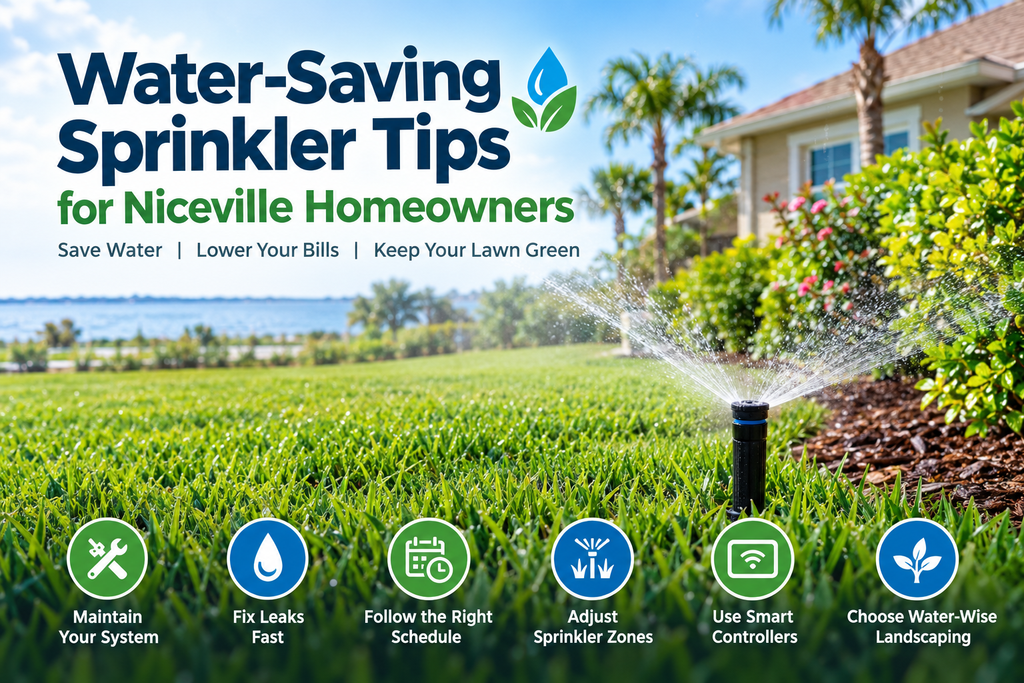
Water saving sprinkler tips can help Niceville homeowners maintain a healthy, green lawn while reducing water waste and lowering irrigation costs. Florida’s warm temperatures, seasonal rainfall, and humid conditions make efficient irrigation important for keeping your landscape healthy without unnecessarily increasing your water bill.
Many homeowners use more water than their lawns actually need because of leaking sprinkler heads, incorrect watering schedules, poor water distribution, or outdated irrigation equipment. Fortunately, small adjustments can make a noticeable difference.
In this guide, we will cover nine practical water-saving sprinkler tips for Niceville homeowners, including sprinkler maintenance, efficient watering schedules, smart controllers, and landscape improvements.
1. Inspect Your Sprinkler System for Water Waste
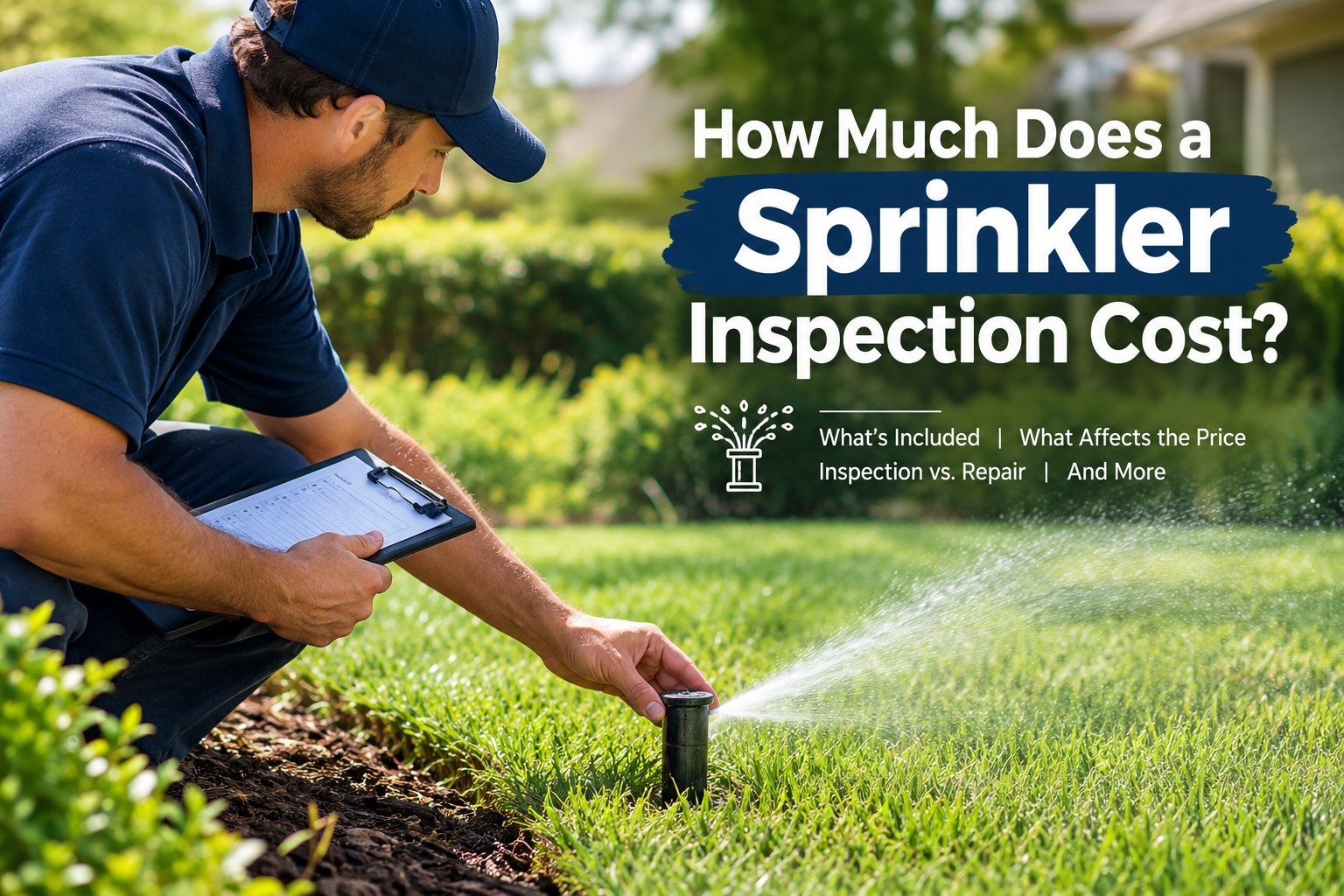
One of the most effective water-saving sprinkler tips is to inspect your irrigation system regularly. Even a small leak or damaged sprinkler head can waste water over time.
Walk around your property while the sprinklers are running. Watch how water moves through each zone and look for problems that could affect irrigation efficiency.
Common warning signs include:
- Puddles or soggy areas around sprinkler heads.
- Water spraying onto sidewalks, driveways, or walls.
- Sprinkler heads that fail to pop up or rotate correctly.
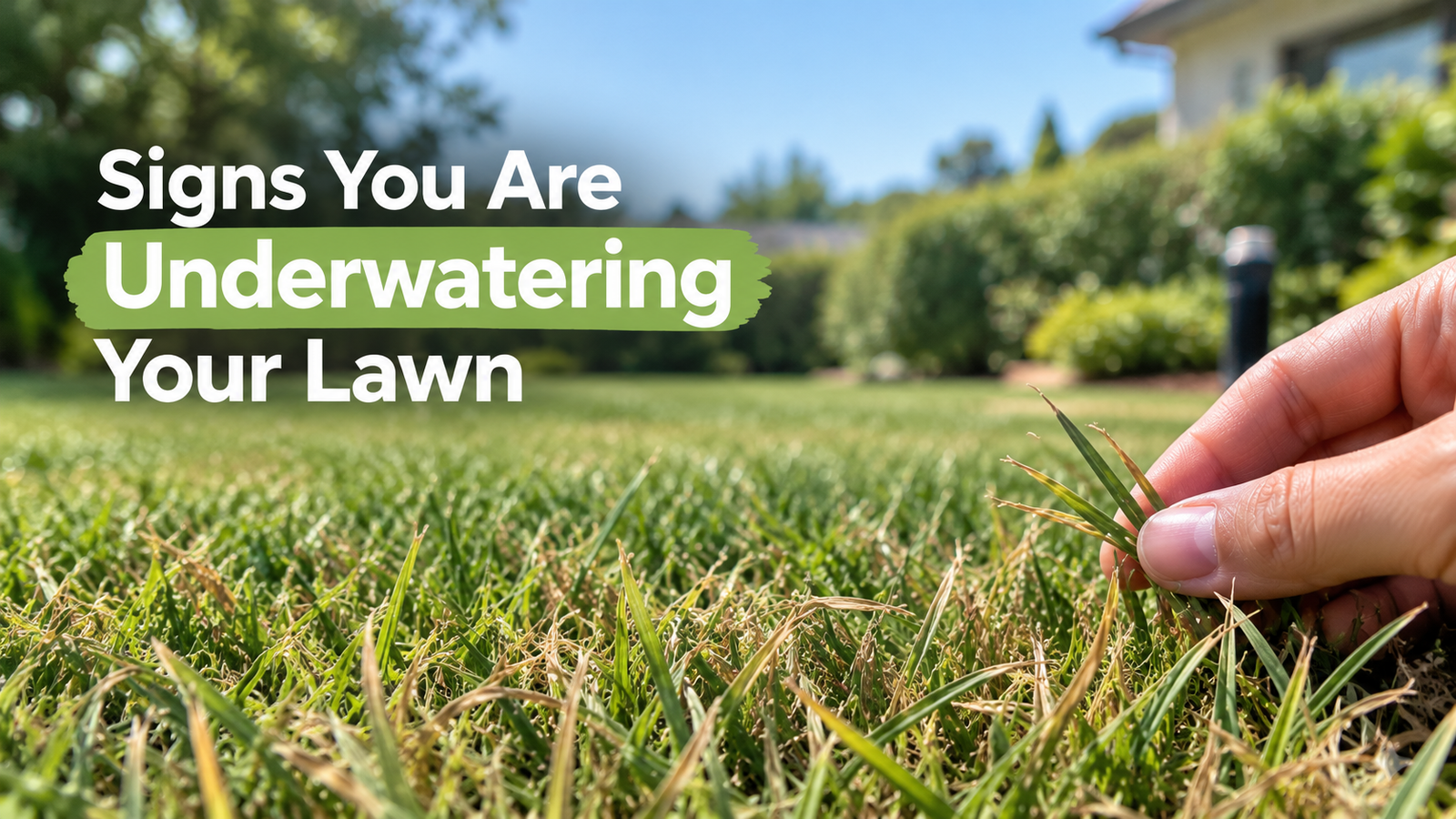
- Dry patches caused by uneven water distribution.
- Unexpected increases in your water bill.
Check the sprinkler heads, valves, visible pipes, and controller settings. Repairing small problems early can prevent unnecessary water loss and help protect your lawn.
If you notice persistent leaks or uneven watering, professional irrigation inspection can help identify the underlying problem before it becomes more expensive to repair.
2. Repair Leaking Sprinkler Heads and Pipes
A damaged sprinkler head may spray water in the wrong direction, distribute water unevenly, or continue leaking after the system shuts off. Underground pipe leaks can also waste substantial amounts of water without being immediately visible.
Inspect each sprinkler zone for broken components, loose connections, clogged nozzles, and damaged seals. Replace faulty parts with compatible components that match your existing system.
Pay attention to sprinkler heads near driveways, walkways, and garden borders. These areas often reveal misalignment because water lands on hard surfaces instead of reaching the plants.
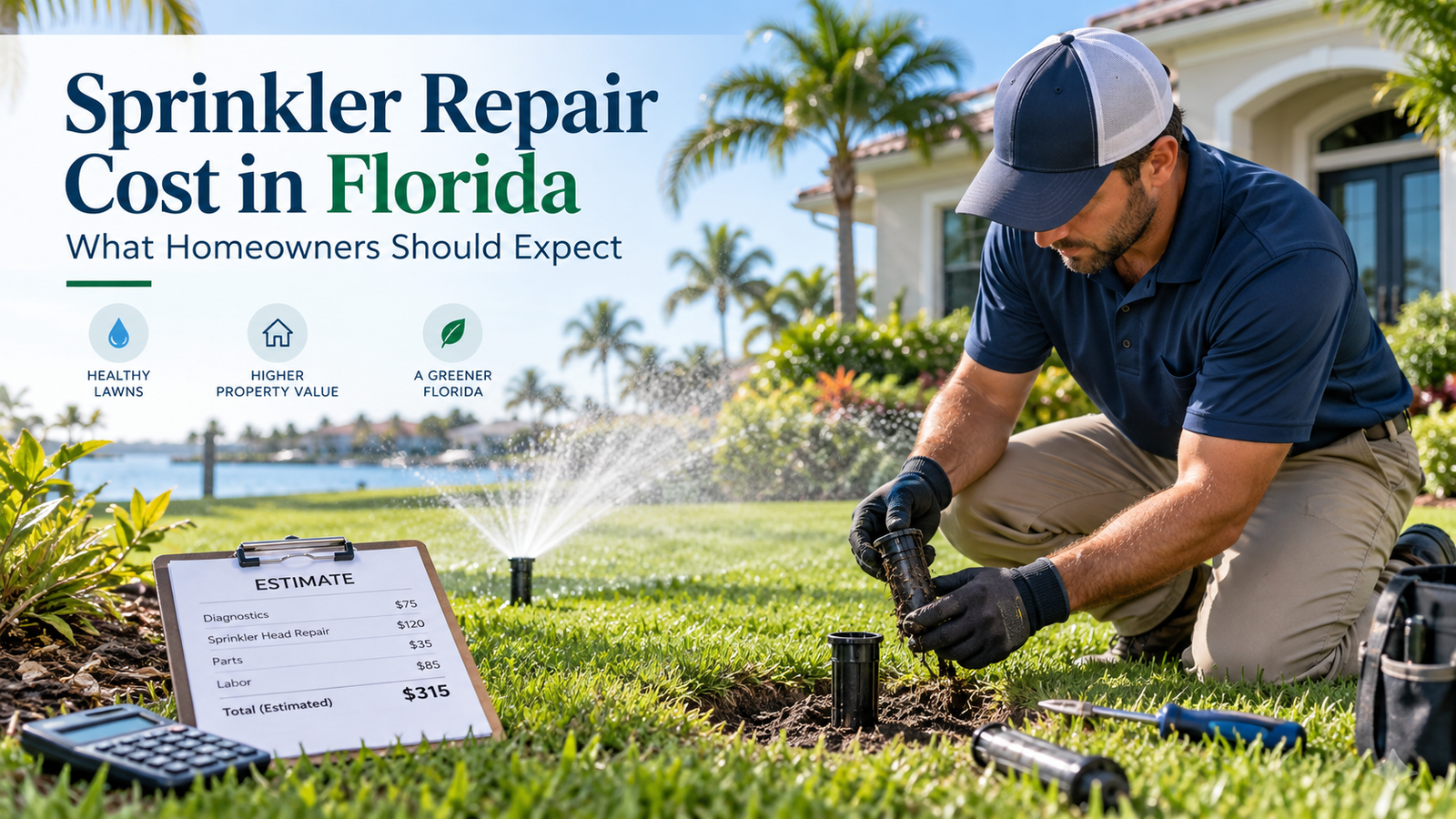
Prompt sprinkler repair helps reduce water waste while improving irrigation coverage. If you suspect an underground leak, low pressure, or a faulty valve, contact a qualified irrigation professional for diagnosis.
3. Follow an Efficient Florida Lawn Watering Schedule
Your watering schedule plays an important role in how efficiently your irrigation system uses water. Running sprinklers too frequently can lead to runoff, shallow root growth, and unnecessary water consumption.
Niceville homeowners should adjust their irrigation schedules according to rainfall, soil conditions, grass type, and seasonal weather.
Use these practical guidelines:
- Check the weather forecast before running your sprinklers.
- Reduce scheduled watering after sufficient rainfall.
- Avoid watering simply because a timer is programmed to run.
- Follow applicable local watering restrictions.
- Adjust watering duration according to the needs of each lawn area.
Florida’s rainy periods can provide much of the moisture your landscape needs. During drier weather, your lawn may require supplemental irrigation, but the amount will depend on its condition and local watering guidance.
For additional guidance, review the University of Florida IFAS Extension’s Florida-Friendly Landscaping resources. These resources explain practical approaches to maintaining landscapes while conserving water.
4. Water Your Lawn Early in the Morning
The time of day you water your lawn can affect how much moisture reaches the soil. Watering during hot, sunny, or windy conditions can increase evaporation and cause water to drift away from its intended target.
Early morning is generally a good time to run your sprinklers because temperatures are cooler and winds are often calmer.
Consider these benefits:
- Less water may be lost to evaporation.
- Sprinkler spray is less likely to drift in windy conditions.
- Water has an opportunity to soak into the soil before daytime heat increases.
- Morning irrigation allows grass blades to dry during the day.
Avoid routinely watering late in the evening when possible, especially if the grass remains wet overnight. Prolonged leaf wetness can contribute to certain lawn diseases.
However, the ideal schedule depends on your landscape, local restrictions, and current weather. Choose a time that delivers water efficiently without keeping your lawn unnecessarily wet.
5. Adjust Sprinkler Zones to Match Your Landscape
Different parts of your yard do not always need the same amount of water. Sunny turf areas, shaded grass, flower beds, shrubs, and trees can have different moisture requirements.
Dividing your landscape into appropriate irrigation zones allows you to customize watering based on plant needs.
For better water efficiency:
- Group plants with similar water requirements together.
- Adjust sprinkler coverage for sunny and shaded areas.
- Keep spray away from sidewalks, driveways, and buildings.
- Check whether sprinkler heads provide overlapping coverage where needed.
- Use drip irrigation for suitable planting beds and shrubs.
Correctly configured zones help prevent some areas from becoming saturated while other areas remain dry.
If one zone consistently receives too much or too little water, inspect its sprinkler heads, pressure, and controller settings. Correcting these issues can improve lawn health while reducing unnecessary irrigation.
6. Upgrade to Water-Efficient Sprinkler Heads
Older sprinkler components may distribute water unevenly or apply it faster than the soil can absorb it. Upgrading selected parts of your irrigation system can improve performance and reduce waste.
Consider these water-efficient options:
Rotary nozzles: These distribute water through rotating streams and may apply it more slowly than conventional spray nozzles. This can help reduce runoff when the system is designed and adjusted correctly.
Drip irrigation: Drip systems deliver water near the root zones of suitable plants. They are often useful for flower beds, shrubs, and other landscaped areas.
Matched sprinkler heads: Using compatible heads with appropriate precipitation rates helps different areas receive more consistent amounts of water.
Pressure-regulated components: Where excessive pressure causes misting or poor distribution, suitable pressure regulation can improve water delivery.
Not every property needs a complete system replacement. A professional inspection can help determine whether targeted upgrades will provide better value.
7. Install a Smart Irrigation Controller
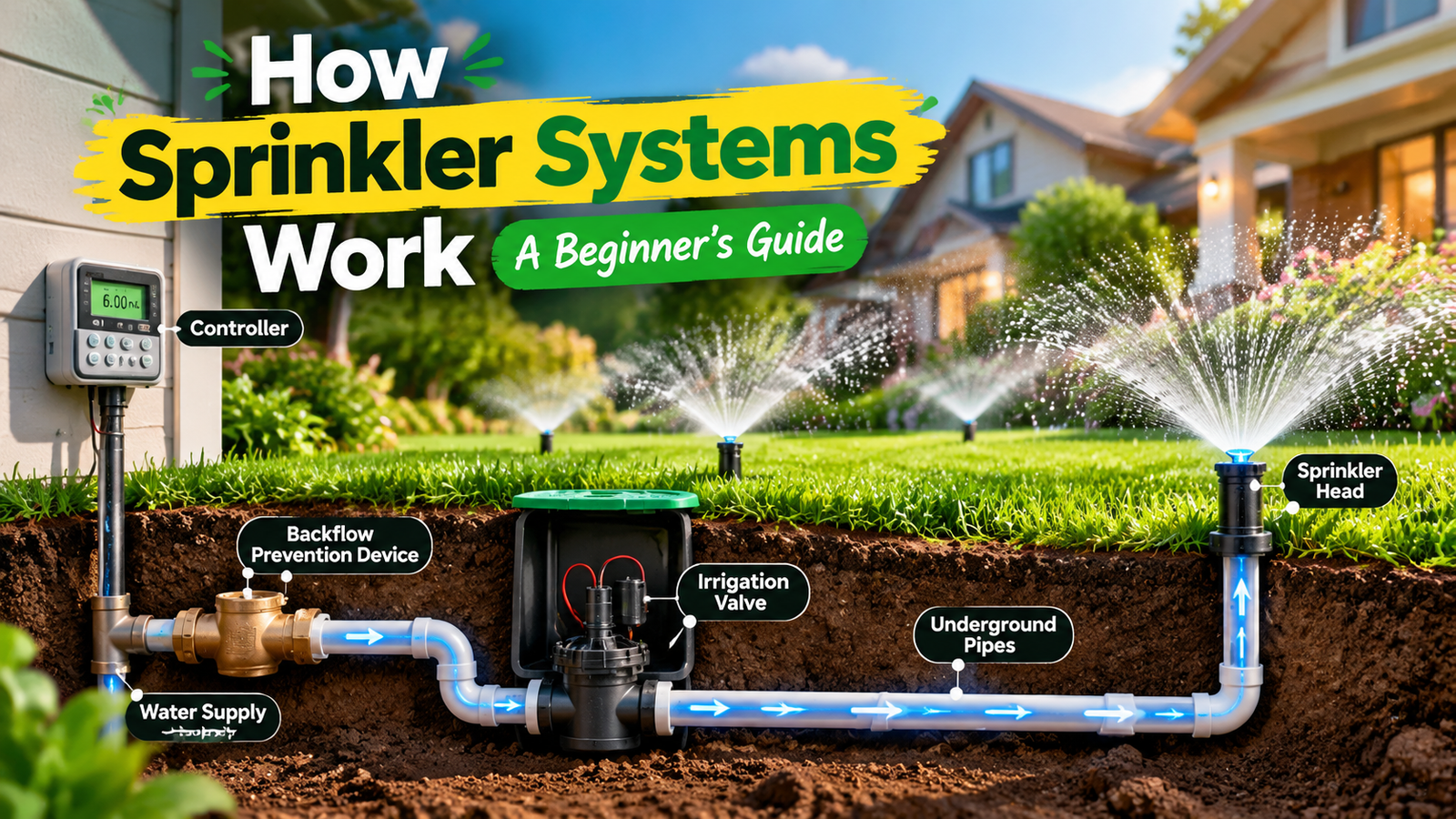
A conventional timer typically follows a preset schedule, even when the weather changes. A smart irrigation controller can adjust watering according to available weather data, rainfall information, or compatible soil moisture sensors.
This technology can help Niceville homeowners avoid watering when their landscape already has enough moisture.
Depending on the controller and its features, benefits may include:
- Adjusting irrigation schedules when rainfall is expected or recorded.
- Reducing watering during cooler or wetter periods.
- Applying different schedules to individual irrigation zones.
- Helping prevent unnecessary watering after rain.
- Providing easier control and monitoring of irrigation settings.
A smart controller still requires proper setup. Incorrect zone settings, unsuitable schedules, or poorly positioned sensors can reduce its effectiveness.
For the best results, combine smart controls with regular inspections and adjustments based on actual lawn conditions. Technology works best when the irrigation system itself is operating correctly.
8. Improve Your Landscape to Retain More Moisture
Water conservation does not depend entirely on sprinkler equipment. Your landscaping choices can also influence how much supplemental irrigation your yard needs.
Choose plants that are appropriate for the local climate and the conditions in your garden. Once established, suitable native and drought-tolerant plants may require less supplemental watering than plants with higher moisture requirements.
Mulch can also help conserve moisture around trees, shrubs, and garden plants by reducing evaporation from the soil surface.
Try these practical landscaping improvements:
- Apply mulch around suitable planting beds while keeping it away from plant stems and tree trunks.
- Select plants according to sunlight, soil, and moisture conditions.
- Maintain healthy soil to support root development.
- Avoid watering areas that do not contain plants requiring irrigation.
- Check drainage and correct places where water repeatedly collects.
These changes complement water-saving sprinkler tips by reducing the amount of water your landscape needs in the first place.
9. Schedule Regular Sprinkler System Maintenance
Regular maintenance helps your irrigation system operate efficiently throughout the year. Sprinkler heads can become clogged, valves can wear out, and controller settings may no longer match your landscape’s needs.
A simple inspection routine can help identify these problems before they lead to wasted water or damaged grass.
Check your system periodically for:
- Broken, clogged, or misaligned sprinkler heads.
- Leaking valves and visible pipe connections.
- Uneven spray patterns or excessive misting.
- Changes in water pressure.
- Incorrect controller settings.
- Areas receiving too much or too little water.
You should also review your watering schedule when the seasons change or when your landscape is modified.
Professional irrigation maintenance is particularly useful when problems persist despite basic troubleshooting. A qualified technician can inspect the system, identify underlying faults, and recommend repairs or upgrades based on your property’s needs.
For help with your irrigation system, visit Summit Outdoor Irrigation to learn more about available services.
How Much Water Can Efficient Sprinkler Practices Save?
The amount of water you save depends on your existing system, lawn size, soil, weather, and irrigation habits. A property with leaking pipes or frequent overwatering may have more opportunities for improvement than a system that is already well maintained.
Start by checking your current water usage and inspecting your sprinkler system. Correct leaks, adjust watering schedules, and improve coverage before investing in expensive equipment.
You can then monitor your water bills and lawn condition to evaluate whether the changes are working.
Remember that an efficient irrigation system should provide enough moisture for healthy root growth without creating runoff, persistent puddles, or unnecessarily wet soil.
Conclusion
These water-saving sprinkler tips can help Niceville homeowners maintain a healthy landscape while reducing unnecessary water use. From repairing leaks and adjusting irrigation zones to installing smart controllers and improving soil moisture retention, small improvements can make your sprinkler system more efficient.
Start with a simple inspection and correct the problems that waste the most water. Then review your watering schedule, consider suitable equipment upgrades, and maintain your system regularly.
If your sprinklers have persistent leaks, low pressure, uneven coverage, or recurring problems, professional irrigation service can help identify the cause and recommend practical solutions.
Visit Summit Outdoor Irrigation to learn more about irrigation services and keep your Niceville lawn looking its best without wasting water.
Frequently Asked Questions
1. What are the best water-saving sprinkler tips for Niceville homeowners?
Inspect your system for leaks, water during the cooler morning hours, adjust schedules after rainfall, and ensure each sprinkler zone provides appropriate coverage. Efficient nozzles and smart controllers may also help reduce unnecessary water use.
2. How often should I inspect my sprinkler system?
Check your sprinkler system periodically throughout the year, particularly when seasons change or you notice dry patches, puddles, or higher water bills. Professional maintenance once or twice a year can help identify developing problems, although the ideal frequency depends on system condition and usage.
3. Do smart sprinkler controllers save water?
Smart controllers can reduce unnecessary irrigation by adjusting schedules using weather information or compatible moisture sensors. Their effectiveness depends on proper installation, accurate settings, and a well-maintained irrigation system.
4. What is the best time to water a lawn in Niceville, Florida?
Early morning is generally a good choice because cooler temperatures and calmer winds can reduce evaporation and spray drift. Your schedule should also account for rainfall, lawn conditions, and applicable local watering restrictions.
5. Why is my sprinkler system wasting water?
Common causes include leaking pipes, broken sprinkler heads, excessive water pressure, incorrect zone settings, and watering when the soil is already wet. Inspect the system while it runs to identify visible issues, and arrange professional diagnosis for suspected underground leaks or persistent pressure problems.
6. Can sprinkler maintenance lower my water bill?
Yes, correcting leaks, improving coverage, and adjusting watering schedules can reduce unnecessary water consumption. The actual savings depend on how inefficient the system was before repairs and how much water your landscape needs.