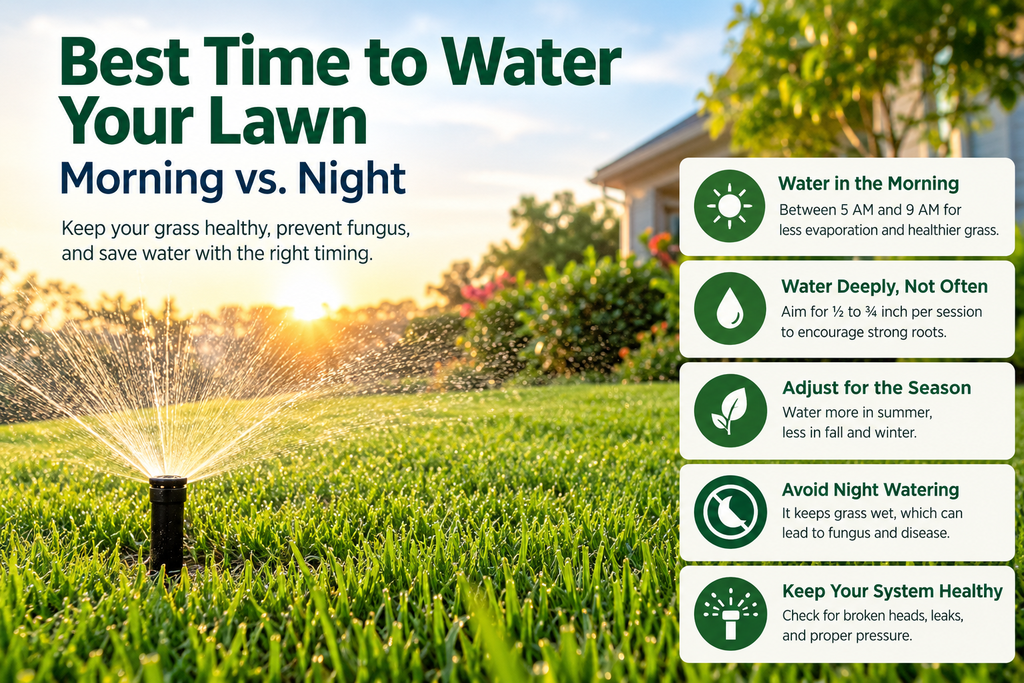
If you’ve ever wondered whether you’re watering your lawn at the right time, you’re not alone. Timing matters more than most homeowners realize and getting it wrong can lead to fungus, drought stress, and wasted water, even if you’re putting plenty of moisture on the grass.
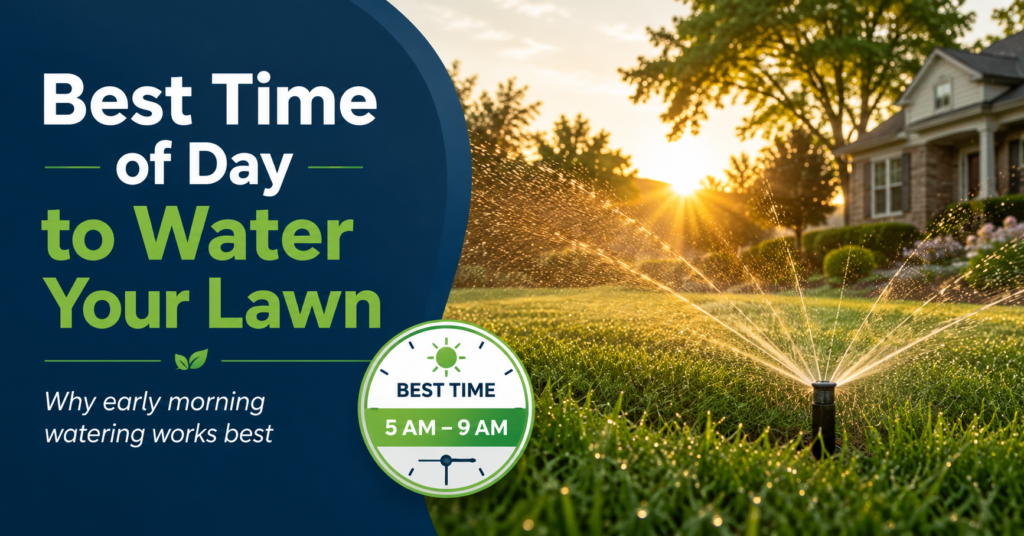
The best time to water your lawn is early morning, between 5 AM and 9 AM. At this hour, temperatures are cool, wind is calm, and the soil has time to absorb moisture deeply before the heat of the day causes evaporation. Grass blades dry naturally as the sun rises, which keeps fungal disease at bay.
Read on for a full breakdown of why morning is best, why night watering is risky, how long to run your sprinklers, and how to build a seasonal watering schedule that keeps your lawn healthy year-round.
Why Early Morning Is Usually Best
Early morning watering is the gold standard and there are solid reasons for it that go beyond habit.
Evaporation is at its lowest. In the heat of the afternoon, a significant portion of the water you apply can be lost to the air before it ever soaks into the root zone. Early morning temperatures are cooler and humidity is relatively higher, so water penetrates the soil instead of disappearing into the atmosphere.
Wind is typically calmer. Wind picks up as the day progresses. Morning calm means your sprinkler heads deliver water where you aim them not sideways across pavement or onto your neighbor’s driveway.
Grass blades dry naturally. This is a critical point. When you water in the morning, the sun dries the leaf surface within a few hours. Wet grass blades left damp for long periods are a breeding ground for lawn fungus and disease problems like brown patch that are especially common in warm, humid climates like the Florida Panhandle.
Root growth is encouraged. Water applied in the morning soaks deeply into the soil while temperatures are still cool. Deeper soil moisture encourages grass roots to grow downward in search of water, producing a more drought-tolerant and resilient lawn over time.
For homeowners in Okaloosa County and surrounding areas, where summer heat and sandy soil create unique challenges, morning watering is not just a suggestion it’s genuinely the most efficient choice. You can learn more about building a Florida-specific routine in this guide to effective lawn watering schedules for Florida homes.
Is It Bad to Water Your Lawn at Night?
Yes, watering at night is one of the most common mistakes homeowners make, and it can cause real damage to an otherwise healthy lawn.
The problem is simple: when you water after sunset, the grass blades and the surface of the soil stay wet for hours because there is no sunlight to dry them out. That prolonged moisture creates the ideal conditions for fungal disease to take hold. Diseases like dollar spot, brown patch, and gray leaf spot thrive in wet, warm, low-light conditions exactly what evening watering provides.
In Florida’s warm, humid climate, lawn fungus can spread rapidly once it gets a foothold. Treating a fungal outbreak costs time and money and can leave brown, patchy scars on your lawn for weeks.
The other risk with night watering is that any surface moisture that does not soak in simply sits on the soil it does not benefit root growth, and it can contribute to shallow root development over time.
If you have a programmable sprinkler timer, check your schedule now. Many systems are set to run late at night by default during installation. Adjusting to a 5 AM or 6 AM start time is one of the easiest wins you can make for your lawn’s health.
If your controller is not cooperating or is giving you scheduling problems, that could be a sign of a deeper issue. The sprinkler system repair team at Summit Outdoors Irrigation can diagnose controller and timer problems quickly.
Can You Water Your Lawn in the Afternoon?
Watering midday or in the afternoon is generally the least efficient option, though it is not as harmful as nighttime watering.
The main issue is evaporation. On a hot summer afternoon in northwest Florida, temperatures can easily climb above 90°F. Under those conditions, a meaningful portion of the water from your sprinklers evaporates before it has a chance to reach the roots. You end up using more water to achieve the same result, which raises your water bill and puts unnecessary demand on your irrigation system.
There is also a minor risk of leaf scorch in some grass types if water droplets sit on hot blades in direct sunlight, though this is far less significant than the evaporation issue.
That said, if your lawn is showing visible signs of drought stress wilting, a bluish-gray color, or footprints that stay visible for more than a few seconds watering in the afternoon is better than letting grass suffer. Think of it as emergency hydration. Then reset your schedule for the next day to run in the morning.
How Long Should You Water Your Lawn?
The goal is to apply ½ to ¾ of an inch of water per watering session, not to run the sprinklers for a set number of minutes. How long that takes depends on your sprinkler system’s output rate.
A simple test: place several empty tuna cans around your lawn in different zones, run your sprinklers for 15 minutes, then measure the depth of water collected. This tells you your system’s approximate output rate, and you can calculate how long to run each zone to hit that ½ to ¾ inch target.
As a rough starting point for typical residential sprinkler systems:
- Rotary heads (rotor heads): Often need 45–60 minutes to deliver ½ inch of water
- Fixed spray heads: May deliver ½ inch in 20–30 minutes
- Drip irrigation: Varies significantly by emitter type and layout
The key principle is deep watering over a longer run time rather than short, frequent bursts. Short watering cycles wet only the top inch or two of soil, which encourages shallow, weak roots. Deep watering pushes moisture down into the root zone, building drought resistance.
If you are not sure whether your sprinkler system is delivering water evenly or at the right pressure, broken heads, clogged nozzles, or pressure problems can all affect output. The sprinkler repair specialists in Okaloosa County at Summit Outdoors can assess your system’s coverage and efficiency.
How Often Should You Water Your Lawn?
Most lawns do best with 1 to 1.5 inches of water per week, delivered in one or two deep sessions rather than a little every day. Daily watering is one of the most common overwatering mistakes. it keeps the soil surface perpetually moist, promoting shallow roots and creating conditions where fungus and pests thrive.
The right frequency varies by:
- Grass type: Bermudagrass and Zoysiagrass are more drought-tolerant and can go longer between waterings than St. Augustinegrass, which is common throughout the Florida Panhandle and needs more consistent moisture.
- Soil type: Sandy soils (very common in coastal areas like Destin, Fort Walton Beach, and Niceville) drain water quickly and may need watering more frequently than heavier soils.
- Rainfall: Always account for rain. If you receive ½ inch of rain, you can skip or shorten your next scheduled irrigation cycle. A rain sensor or smart irrigation controller can automate this adjustment.
- Season: Summer heat increases water demand; cooler months reduce it significantly.
The practical rule: water when your lawn needs it, not on a rigid daily schedule. Check your grass before you water. If blades are not wilting or discolored, the lawn likely has sufficient moisture.
Best Lawn Watering Schedule by Season
A one-schedule-fits-all approach wastes water in winter and starves your lawn in summer. Here is how to think about seasonal adjustments, particularly for the northwest Florida climate:
Spring (March–May)
Temperatures are warming up and grass is coming out of its slower winter growth period. Begin watering 1–2 times per week as daytime temperatures climb. Watch for the first signs of drought stress and adjust accordingly.
Summer (June–September)
This is the most demanding season. Heat is intense, and while Florida summers bring afternoon thunderstorms, the rain is often inconsistent. During dry stretches, 2–3 watering sessions per week may be needed, always in the early morning. Longer days also mean your irrigation timer may need its schedule adjusted earlier (5 AM is ideal).
Fall (October–November)
Grass growth slows as temperatures drop. Reduce watering to once per week. You can push the run time earlier in the morning without worrying about light levels since sunrise shifts later.
Winter (December–February)
Most warm-season grasses in north Florida go semi-dormant. Water needs drop significantly. Water only once per week or less, and only when grass shows signs of needing it. Avoid watering within 24 hours of a freeze wet soil and wet grass blades are more vulnerable to cold damage.
Note: Florida Water Management Districts set mandatory watering restrictions that vary by county and season. Always check your local district’s current schedule before setting up your irrigation program. The Northwest Florida Water Management District publishes these guidelines online.
For a deeper dive into Florida-specific seasonal timing, see the Summit Outdoors blog on lawn watering schedules for Florida homes.
Signs Your Lawn Is Getting Too Much or Too Little Water
Your lawn gives you clear feedback if you know what to look for. Catching these signals early saves you from expensive repair later.
Signs of Underwatering (Drought Stress)
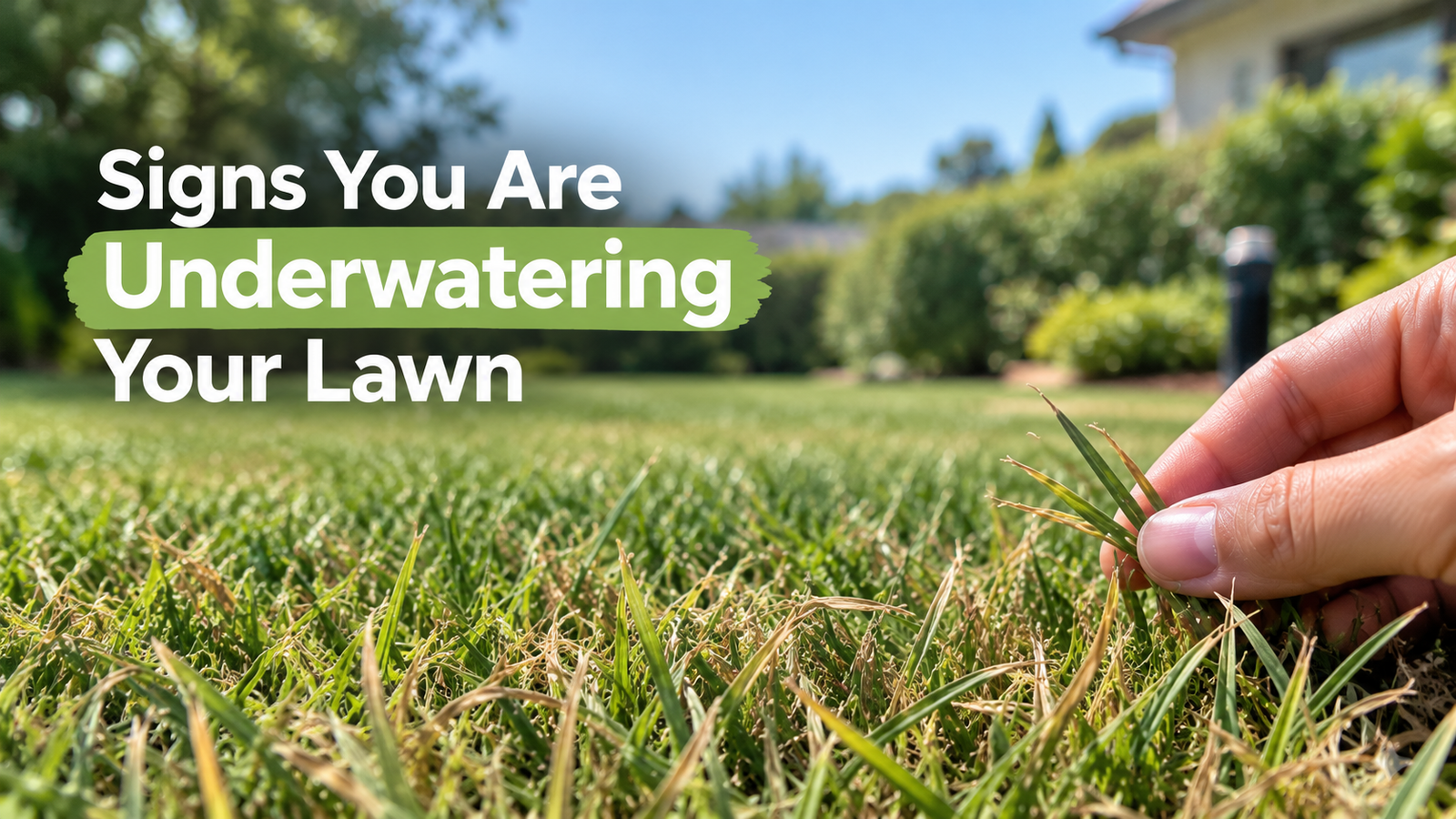
- Grass blades folding in half lengthwise (the plant conserving moisture)
- Bluish-gray or dull green color instead of vibrant green
- Footprints or mower tracks that stay visible for more than 30 seconds
- Dry, hard soil when you press a screwdriver 6 inches into the ground
- Edges of lawn curling or turning yellow
Signs of Overwatering
- Yellowing grass, particularly in patches
- Spongy or soggy feel when walking across the lawn
- Mushrooms or algae appearing on the surface
- Runoff during irrigation water sheeting off instead of soaking in
- Persistent lawn fungus, especially brown circular patches
- Weeds flourishing in areas that stay consistently wet
If you are seeing uneven wet and dry spots across the yard, the problem may not be your schedule at all it could be a sprinkler head that is broken, clogged, or misaligned. The sprinkler system repair services available in Okaloosa County include full coverage checks to identify exactly these kinds of issues.
How Sprinkler and Irrigation Systems Make Watering Easier
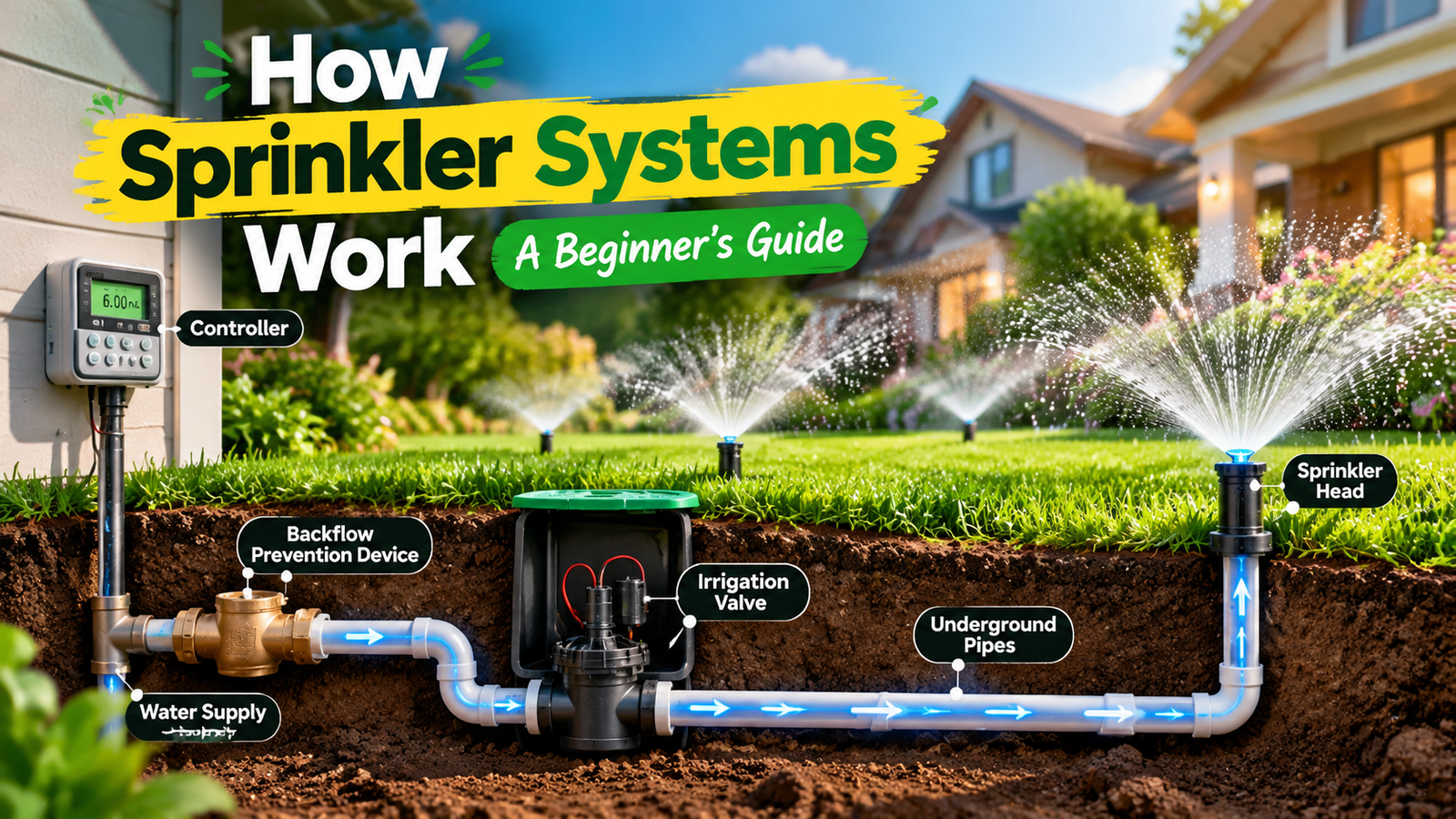
Manually dragging a hose around a yard every few days is time-consuming and inconsistent. An in-ground sprinkler system paired with a programmable controller takes the guesswork out of the equation but only when it is working correctly.
A well-calibrated sprinkler system:
- Delivers water at a consistent rate to every zone
- Runs at the optimal early morning hour without you waking up to supervise
- Can be paired with a rain sensor or smart controller that skips cycles after rainfall, saving water and reducing your bill
- Applies water more evenly than hand-watering, reducing the risk of dry spots and overwatered patches
Smart irrigation controllers take this further. They connect to local weather data and automatically adjust run times based on temperature, rainfall, evapotranspiration rates, and soil conditions. According to EPA WaterSense, smart irrigation controllers can reduce outdoor water use significantly compared to systems running on a fixed timer schedule.
Of course, none of this works if the system itself has a problem. Common issues that undermine efficiency include:
- Broken or clogged sprinkler heads that deliver uneven coverage
- Leaking valves or pipes that waste water underground
- Incorrect timer settings that run zones at the wrong time or for too long
- Low water pressure that prevents heads from rotating or popping up fully
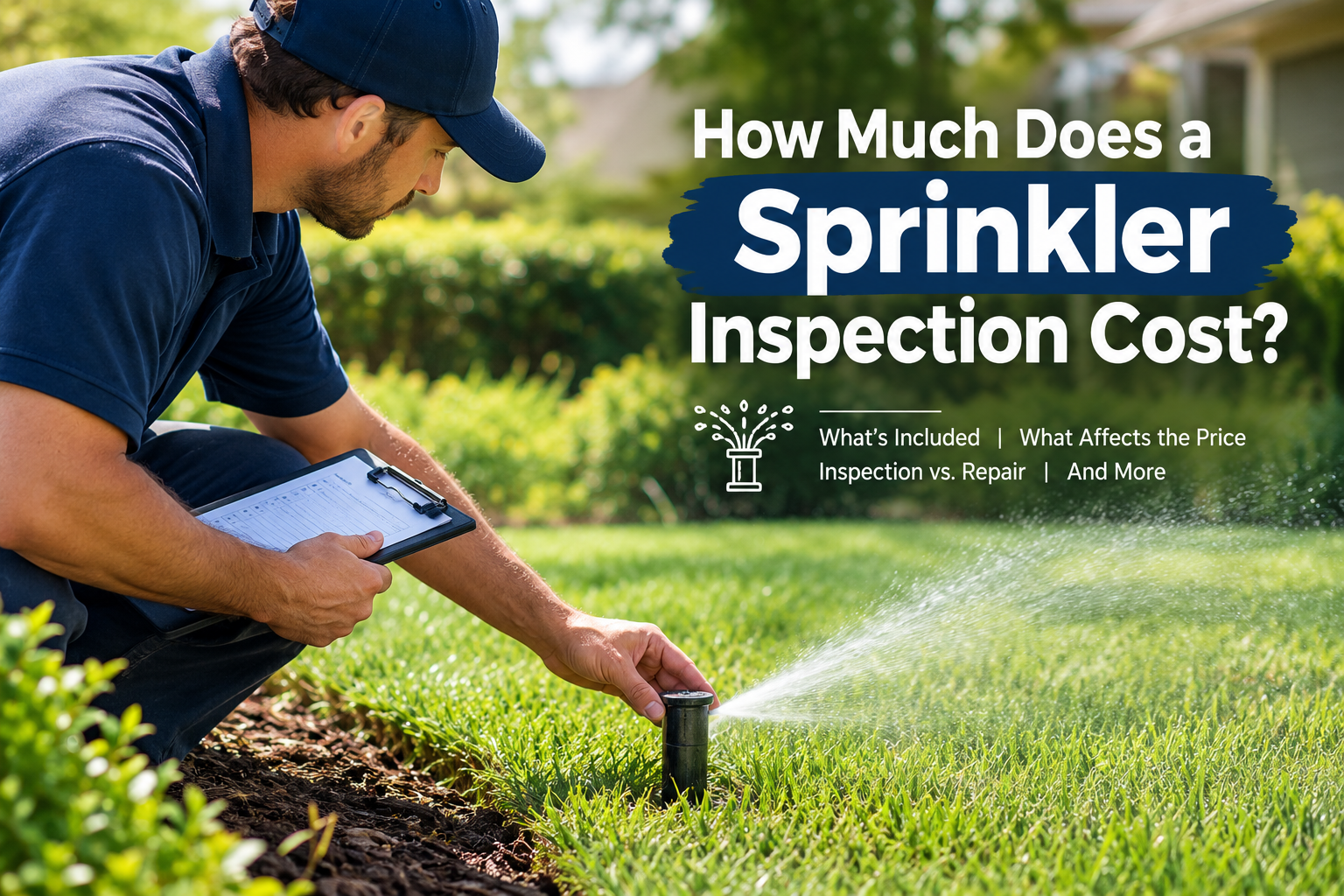
If your system has any of these problems, the irrigation repair specialists at Summit Outdoors Irrigation can diagnose and fix them. Their team serves homeowners throughout Fort Walton Beach, Destin, Niceville, Shalimar, and the broader Okaloosa County area.
Common Lawn Watering Mistakes to Avoid
Even homeowners with good intentions make these errors. Here are the most common:
Watering at night. As covered above, this is the fastest route to lawn fungus. Check your timer.
Watering every day. Daily watering trains roots to stay shallow. Water deeply 1–2 times per week instead.
Ignoring the rain. Running your sprinklers right after a rainstorm wastes water and oversaturates the soil. A rain sensor or a quick manual check before your system runs can prevent this.
Short watering cycles. Running each zone for just 5–10 minutes wets only the top layer of soil. Increase cycle time to push water deeper.
Not adjusting for the season. Many homeowners set a schedule in summer and forget it. A summer schedule running in December is overwatering your lawn during its slow period.
Letting a broken head go unfixed. A single broken sprinkler head creates dry spots that lead homeowners to increase overall watering, which oversaturates the rest of the lawn. Address mechanical issues promptly. A quick look at common sprinkler problems and how to diagnose them can help you identify what to look for.
Ignoring water pressure issues. Low pressure causes rotary heads to stop rotating and pop-up heads to underperform. If zones look like they are not covering evenly, pressure may be the culprit.
When to Call an Irrigation Professional
Some watering problems can be solved with a timer adjustment. Others require a trained eye and professional tools.
Consider calling an irrigation specialist when:
- Zones are not turning on could be a faulty solenoid, valve, or controller wiring problem
- Heads are not popping up often a pressure or clogged filter issue
- You notice wet spots in your yard when the system is off a sign of an underground leak
- Water pressure seems low across the whole system could be a pump issue, line break, or backflow problem
- Your controller is malfunctioning or not holding its schedule electrical or programming faults
- You want to upgrade to a smart controller proper setup ensures zones are calibrated correctly
If you are in the Destin, Fort Walton Beach, Niceville, or Shalimar area, the team at Summit Outdoors Irrigation offers honest diagnostics and repair-focused service no unnecessary upselling, no replacement recommendations unless truly needed. They also handle irrigation pump installation and replacement in Okaloosa County when pump failure is affecting your system’s pressure or performance.
Final Thoughts
Getting your watering timing right is one of the simplest and highest-impact things you can do for your lawn. The core principles are straightforward: water early in the morning, water deeply but infrequently, adjust for the season, and watch your lawn for feedback.
In a warm, sandy-soil climate like northwest Florida, these habits make a real difference. A lawn that gets early morning, deep watering develops strong roots, resists drought, and is far less susceptible to the fungal diseases that thrive in damp, warm conditions.
The other half of the equation is your irrigation system itself. A schedule is only as good as the equipment delivering it. If your sprinkler system is not operating correctly whether that means broken heads, pressure problems, or a timer that keeps losing its settings the best watering plan in the world will not produce consistent results.
If you have questions about your system, need a repair, or want help setting up a more efficient watering schedule, the professionals at Summit Outdoors Irrigation are available to help homeowners throughout Okaloosa County. Call them at 850-461-2480 or send a message through their contact page.
Frequently Asked Questions
What is the best time to water your lawn?
The best time to water your lawn is between 5 AM and 9 AM. Early morning watering minimizes evaporation, takes advantage of calmer winds, and allows grass blades to dry naturally during the day reducing the risk of fungal disease.
Is it better to water grass in the morning or evening?
Morning is significantly better. Evening watering leaves grass blades wet overnight, which creates ideal conditions for lawn fungus and disease. If you cannot water in the morning, late afternoon (before 4 PM) is a better alternative than after dark.
Why should you not water grass at night?
Grass watered at night stays wet for many hours without sunlight to dry it out. This prolonged dampness promotes fungal diseases like brown patch and dollar spot, which can spread quickly in warm climates. Night watering also does not improve root depth or drought resistance.
How long should sprinklers run?
Most zones should run long enough to deliver ½ to ¾ of an inch of water per session, which typically translates to 20–30 minutes for spray heads and 45–60 minutes for rotary heads. Do the tuna-can test to measure your specific system’s output before setting final run times.
Should I water my lawn every day?
No. Daily watering encourages shallow root growth and creates conditions favorable to fungus and pests. Most lawns do best with 1–2 deep watering sessions per week, with adjustments for rainfall and season.
What is the best time to run sprinklers in summer?
In summer, set your sprinkler system to start at 5 AM to 6 AM. This gives the system enough time to complete all zones before the heat of the day, and the grass dries fully before temperatures peak. Avoid midday and evening runs in summer months.
How do I know if my lawn is overwatered?
Signs of overwatering include yellowing grass, a spongy feel underfoot, mushrooms or algae growth, runoff during irrigation, and fungal disease. If you see these signs, reduce your watering frequency and check that your irrigation system is not running more than programmed.
Can an irrigation system help save water?
Yes, a well-maintained irrigation system with a smart controller and properly functioning heads applies water more efficiently than hand watering. Rain sensors skip cycles after rainfall automatically, and calibrated heads deliver even coverage without runoff. According to EPA WaterSense, smart controllers can reduce outdoor water use meaningfully compared to fixed-schedule timers.