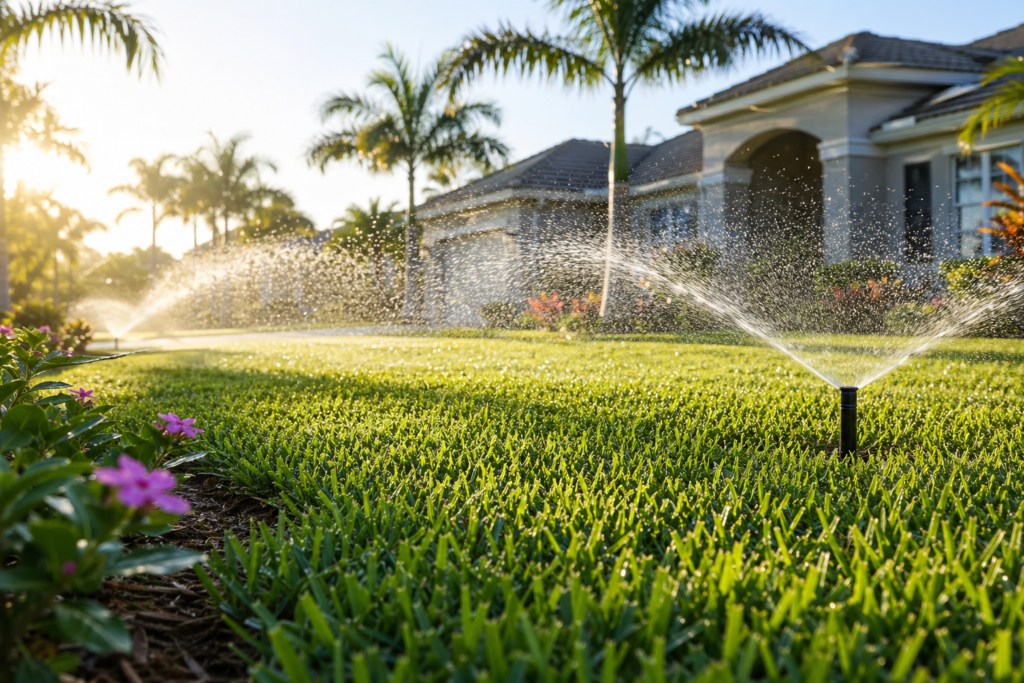
A proper Florida lawn watering schedule helps keep your grass green, healthy, and resilient throughout the year. Florida’s sandy soil, warm temperatures, and seasonal rainfall make it important to water at the right time and adjust irrigation based on weather conditions. By choosing the right watering frequency, monitoring rainfall, and avoiding overwatering, you can maintain a beautiful lawn while conserving water.
For expert irrigation solutions, visit http://summitoutdoorsirrigation.com/
Related irrigation insight:
Why sprinkler zone won’t turn on guid
Water usage optimization:
Water saving sprinkler tips
Irrigation science reference:
Irrigation Wikipedia
Achieving that perfect yard might seem daunting, but it’s simpler than you think with the right guidance.
Professional support:
Summit Outdoor Irrigation
Understanding Florida’s Unique Lawn Watering Needs
Florida’s climate presents a special set of challenges for lawn care. The sandy soil, intense sun, and specific types of Florida grasses mean you can’t just set a sprinkler and forget it. A one-size-fits-all watering schedule simply won’t work here.
You need to understand the right amount of water your specific lawn requires and when to water grass for the best results. Let’s explore why Florida lawns need this special attention and how watering needs can differ across the state.
Lawn care education guide:
Beginner lawn watering education
Why Florida Lawns Require Special Attention
The primary reason your Florida lawn needs a custom approach is the soil. Much of the state has sandy soil, which doesn’t hold water well. For instance, Myakka soil, the official state soil, can only hold about one inch of water in the top foot of soil where grass roots are. This means water drains through it quickly.
Furthermore, the type of grass you have plays a huge role. Popular choices like St. Augustinegrass have different drought tolerances than Zoysiagrass or Bermudagrass. During the hot summer months, you’ll likely need to water your lawn about three times per week to keep the soil moist and prevent stress.
You also have to consider local rules. Florida has five Water Management Districts that set regulations to conserve water, especially during dry spells. These rules can affect when and how often you’re allowed to water, making a thoughtful water management plan essential for effective lawn care.
Sprinkler diagnosis guide:
Common sprinkler diagnosis complete guide
Regional Differences: North Florida vs. South Florida Watering Schedules
Yes, watering schedules absolutely differ between North and South Florida. The state’s diverse climate zones mean that lawns in different regions have varying needs throughout the time of year. A watering schedule that works for a lawn in Pensacola might not be suitable for one in Miami.
In North and Central Florida, warm-season grasses typically go dormant during the winter, requiring much less water. However, in South Florida, these grasses usually just slow their growth and still need consistent, though reduced, watering.
Here’s a general guide to show how watering frequency can vary by region and season, though you should always check your local water management district for specific rules.
Florida watering schedule guide:
Florida lawn watering schedule
Recommended Watering Frequency for Florida Lawns
Establishing the right watering schedule is crucial for a healthy Florida lawn. Instead of watering a little bit every day, the best approach is to water deeply but less often. This encourages roots to grow deeper into the soil, making your grass more resilient. A general rule of thumb is to water once or twice a week.
However, your specific watering frequency will depend on the season, rainfall, and signs from your lawn. Finding the best time and providing the right amount of water are key. We’ll look at how to adjust for summer heat and winter cool-downs.
Sprinkler troubleshooting guide:
Sprinkler troubleshooting printable guide
System diagnosis article:
Sprinkler problem diagnosis guide
Best Practices for Summer and Dry Spells
During Florida’s hot and often dry summer months, you’ll need to adjust your watering routine. The intense heat causes water to evaporate quickly, and your lawn will need more hydration to stay healthy. You will likely need to increase your watering frequency to about three times per week during this time.
During extended dry spells, it’s especially important to watch your lawn for signs of stress, such as wilting or a change in color. How much water you use also depends on your grass type. Drought-resistant varieties like Bermudagrass might need less water than St. Augustinegrass.
Here are a few tips for summer watering:
- Increase Frequency: Water around three times per week to prevent the soil from drying out completely.
- Water Deeply: Each watering session should be thorough to encourage deep root growth.
- Monitor Rainfall: Use a rain gauge and adjust your schedule if you receive significant summer rainfall.
System warning signs:
Top sprinkler warning signs
Adjusting Watering for Seasonal Changes (Including Winter)
Yes, you should definitely adjust your watering schedule for seasonal changes, especially in winter. As temperatures drop, your grass’s growth slows down, and it requires significantly less water. In North and Central Florida, many grasses go dormant, while in the south, they just enter a period of slower growth.
Overwatering during the cooler months is a common mistake that can lead to fungal diseases and weak roots. It’s crucial to reduce the amount of water you provide. The right time to water remains in the morning, but the frequency should decrease.
Here’s how to adjust for winter:
- Reduce Frequency: Water only once a week or even less if there has been rain.
- Check for Need: Only water when the grass shows signs of needing it, as it will use much less water during this time.
- Prevent Disease: Avoid overwatering to protect your lawn from common winter pests and fungal issues like brown patch.
Creating a Yearly Lawn Care Schedule
Water pressure solution guide:
Low water pressure irrigation fix
Zone repair guide:
Sprinkler zone repair guide
Timing Matters: Best Time of Day to Water in Florida
When it comes to your lawn watering schedule, the time of day you water is just as important as how much you water. Watering at the right time ensures that the water is used efficiently and helps protect your lawn from disease.
The consensus among lawn care experts is clear: the best time of day to water in Florida is the early morning. This practice of morning watering has several benefits that contribute to a healthier lawn. Let’s look at why it’s so effective and what risks come with watering at other times.
Morning Watering Benefits for Healthy Grass
The best time of day to water your grass in Florida is in the early morning, ideally between 6 a.m. and 10 a.m. Watering during these cool hours allows the water to penetrate deep into the soil and reach the grass roots before the sun’s heat causes it to evaporate.
This efficient water absorption is key to developing a strong, deep root system, which is the foundation of a healthy lawn. Morning watering also allows the grass blades to dry off as the sun rises, which is crucial for preventing fungal issues.
Here are the key benefits of morning watering:
- Reduces Evaporation: Less water is lost to the atmosphere, so more reaches the roots.
- Encourages Deep Roots: Deep watering in the morning promotes stronger, more drought-resistant roots.
- Prevents Disease: Grass blades dry quickly in the morning sun, reducing the risk of fungal growth.
Risks of Evening and Midday Watering
Watering at the wrong time can do more harm than good. Watering in the middle of the day, during the peak heat of the day, is the least effective option. A significant portion of the water—up to 60%—can evaporate before it even has a chance to soak into the soil. This wastes water and can even scorch your grass blades.
Evening watering, while seemingly a good alternative, creates its own set of problems. When you water at night, the grass blades and soil surface remain damp for hours, creating a perfect environment for fungal diseases and fungal growth. No, it is not okay to water your Florida lawn every day; this can lead to weak, shallow roots and makes your lawn more susceptible to pests and disease.
Here are risks to avoid:
- Midday Watering: Leads to high evaporation and wasted water.
- Evening Watering: Promotes fungal diseases by leaving grass wet overnight.
- Daily Watering: Encourages shallow roots and makes the lawn less resilient.
How Much Water Does Your Florida Lawn Need?
Knowing how much water your lawn needs is a critical piece of the puzzle. Applying too little water will leave your grass stressed and weak, while too much can cause disease and waste resources. As a general rule, most Florida lawns need about 1 to 1.5 inches of water per week.
However, this is just a starting point. The exact amount of water needed depends on several factors, including your grass type, soil conditions, and recent rainfall. Using a simple rain gauge can help you track how much water your lawn receives naturally. Let’s break down how to meet these weekly requirements and what factors can change them.
Meeting Weekly Water Requirements
To ensure your lawn gets the 1 to 1.5 inches of water it needs each week, it’s best to apply it over one or two deep watering sessions rather than several shallow ones. A good target for each session is between ½ and ¾ of an inch of water.
Watering deeply encourages the roots to grow further down into the soil to find moisture. This creates a stronger, more drought-tolerant lawn. A simple way to measure how much water your sprinkler is putting out is the “can test.” Place empty tuna cans around your lawn, run your sprinklers for 15 minutes, and then measure the water in the cans.
This will tell you how long you need to run your system to apply the correct amount. Remember to adjust your watering schedule based on rainfall. If it rains, you can likely skip your next scheduled watering.
Destin sprinkler repair:
Sprinkler repair Destin
Fort Walton Beach service:
Sprinkler repair Fort Walton Beach
Factors That Affect Water Amount (Grass Type, Soil, & Rainfall)
The exact amount of water your lawn needs isn’t static. It changes based on a few key variables. Different grass types have different water requirements; for example, St. Augustinegrass often needs more water than the more drought-tolerant Zoysiagrass.
Your soil type is another major factor. Sandy soils, common in Florida, drain very quickly and don’t hold much moisture, so they may need more frequent watering than clay-based soils. And yes, rainfall absolutely reduces how often you should water your lawn. A good downpour can take care of your lawn’s water needs for several days.
Consider these factors when planning to water grass:
- Grass Type: Drought-tolerant varieties like Bermudagrass need less water.
- Soil Type: Sandy soil requires more frequent watering than soil rich in organic matter.
- Rainfall: Always account for natural rainfall and adjust your irrigation system accordingly.
Pump installation service:
Irrigation pump installation Okaloosa
System repair services:
Sprinkler system repair Okaloosa
Conclusion
In conclusion, a well-maintained lawn is a pride for any homeowner. Understanding Florida’s unique watering needs and following the recommended watering frequency are crucial for maintaining a healthy lawn. Whether adjusting watering schedules based on regional differences or considering the best time of day to water, these practices can make a significant difference in the vitality of your grass. Remember, overwatering can be as harmful as underwatering, so it’s essential to strike the right balance. By implementing these tips and best practices, you can ensure that your Florida lawn thrives year-round. If you have any more questions or need personalized advice, feel free to reach out to our lawn care experts for guidance and assistance.
Main irrigation service:
Summit Outdoor Irrigation
Niceville sprinkler repair:
Sprinkler repair Niceville
Water saving guide:
Water saving sprinkler tips
rrigation reference:
Irrigation Wikipedia
Frequently Asked Questions
How can I tell if my Florida lawn needs water?
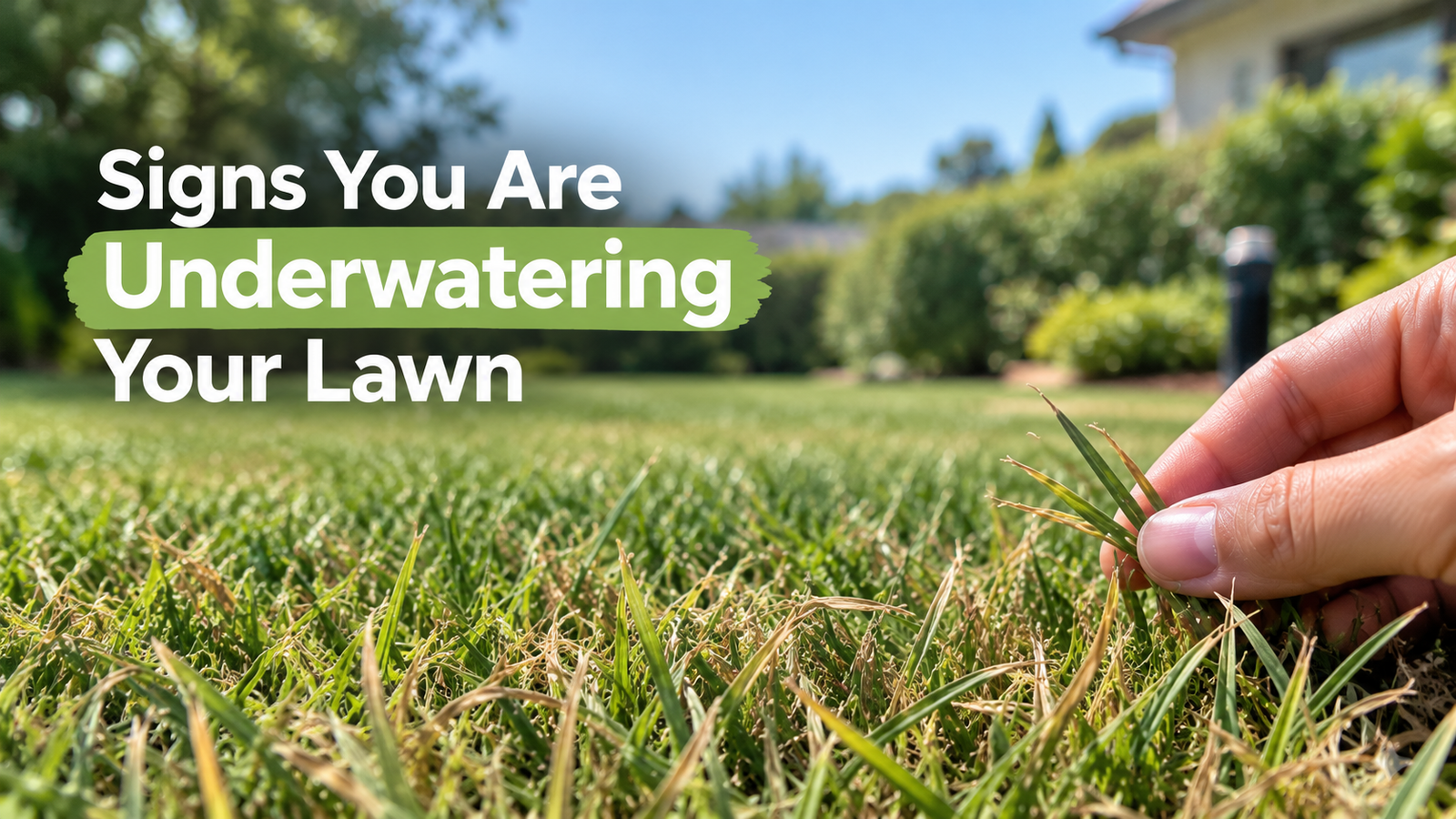
Look for tell-tale signs of drought stress. If the grass blades are folded in half, the lawn has taken on a bluish-gray color, or your footprints remain visible on the grass long after you’ve walked on it, it’s the right time to water grass. These are clear signs of drought.
Are there water restrictions and local regulations for lawn watering in Florida?
Yes, Florida has five water management districts that enforce regulations on lawn watering. These rules vary by county and city but generally restrict the days and times you can use your irrigation system. It’s best to check your local district’s website for the specific watering schedule and regulations in your area.
What are the signs of overwatering a Florida lawn?
Signs of overwatering include yellowing grass blades, a proliferation of weeds, and the appearance of fungal diseases like brown patch or mushrooms. Overwatering can also lead to shallow roots and a constantly soggy or spongy feel to the turf, indicating that the soil is overly saturated.