Have you ever noticed that one part of your lawn stays green while another develops dry, brown patches? The problem may not be the grass itself. It could be related to how your irrigation system distributes water, how long each zone runs, or whether the system receives proper maintenance.
Understanding how an irrigation system works helps homeowners make better watering decisions, prevent unnecessary water waste, and maintain healthier lawns throughout the year. In Okaloosa County, Florida, sandy soil, hot summer temperatures, heavy rainfall, and seasonal watering restrictions can all influence how much water a landscape needs.
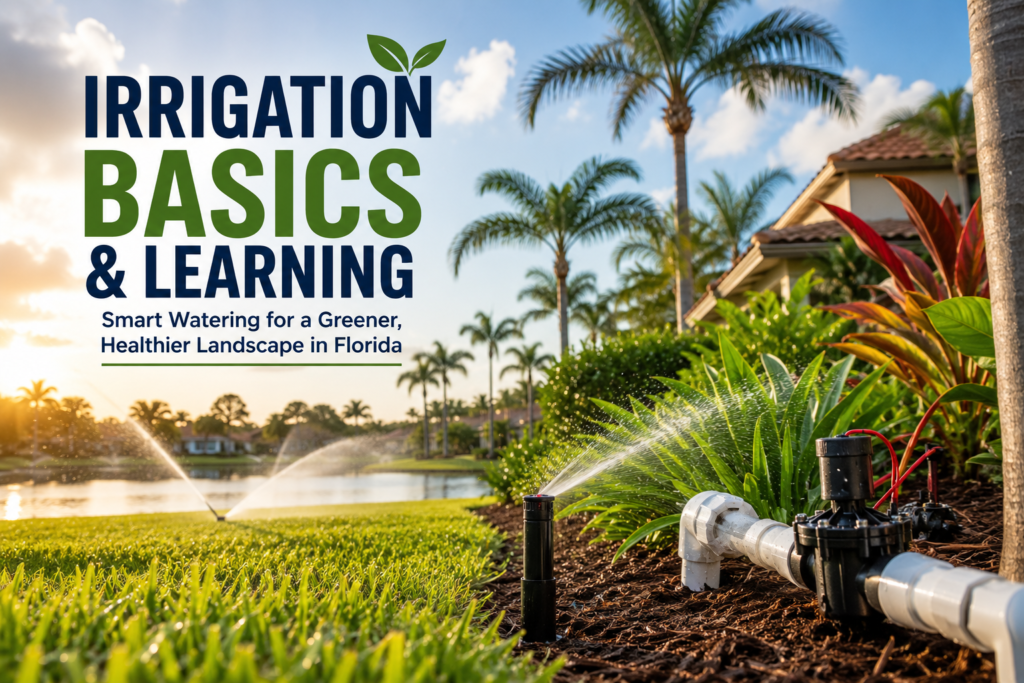
A properly designed irrigation system delivers water to the right areas at the right time. It uses a combination of pipes, valves, sprinkler heads, a controller, and sometimes a pump to distribute water across a property. Depending on the landscape, it may also use drip irrigation to water flower beds, shrubs, and other plants more precisely.
This guide explains the main components of a residential irrigation system, the different irrigation methods, effective watering schedules, and practical maintenance techniques. You will also learn seven useful tips for improving irrigation efficiency and recognizing problems before they cause expensive damage.
Whether you are installing a new system or maintaining an existing one, these irrigation basics can help you protect your lawn and use water more responsibly.
What Is an Irrigation System?
An irrigation system is a network of equipment designed to deliver water to lawns, gardens, trees, shrubs, and other landscaped areas. Unlike manual watering with a garden hose, an automatic irrigation system can distribute water according to a programmed schedule.
Most residential irrigation systems include a water source, distribution pipes, control valves, a controller, and water-delivery devices such as sprinkler heads or drip emitters. Some systems also require a pump to provide sufficient water pressure.
The primary purpose of irrigation is to supplement natural rainfall when plants cannot obtain enough moisture from the soil. A well-maintained system helps distribute water consistently, supports healthy root development, and reduces the effort required to maintain a landscape.
There are several types of irrigation systems, and each serves a different purpose. Sprinkler irrigation is commonly used for lawns because it covers relatively large areas. Drip irrigation is often more suitable for flower beds and shrubs because it delivers water closer to plant roots.
The best system depends on your property size, soil conditions, plant types, available water supply, and watering requirements.
How an Irrigation System Works
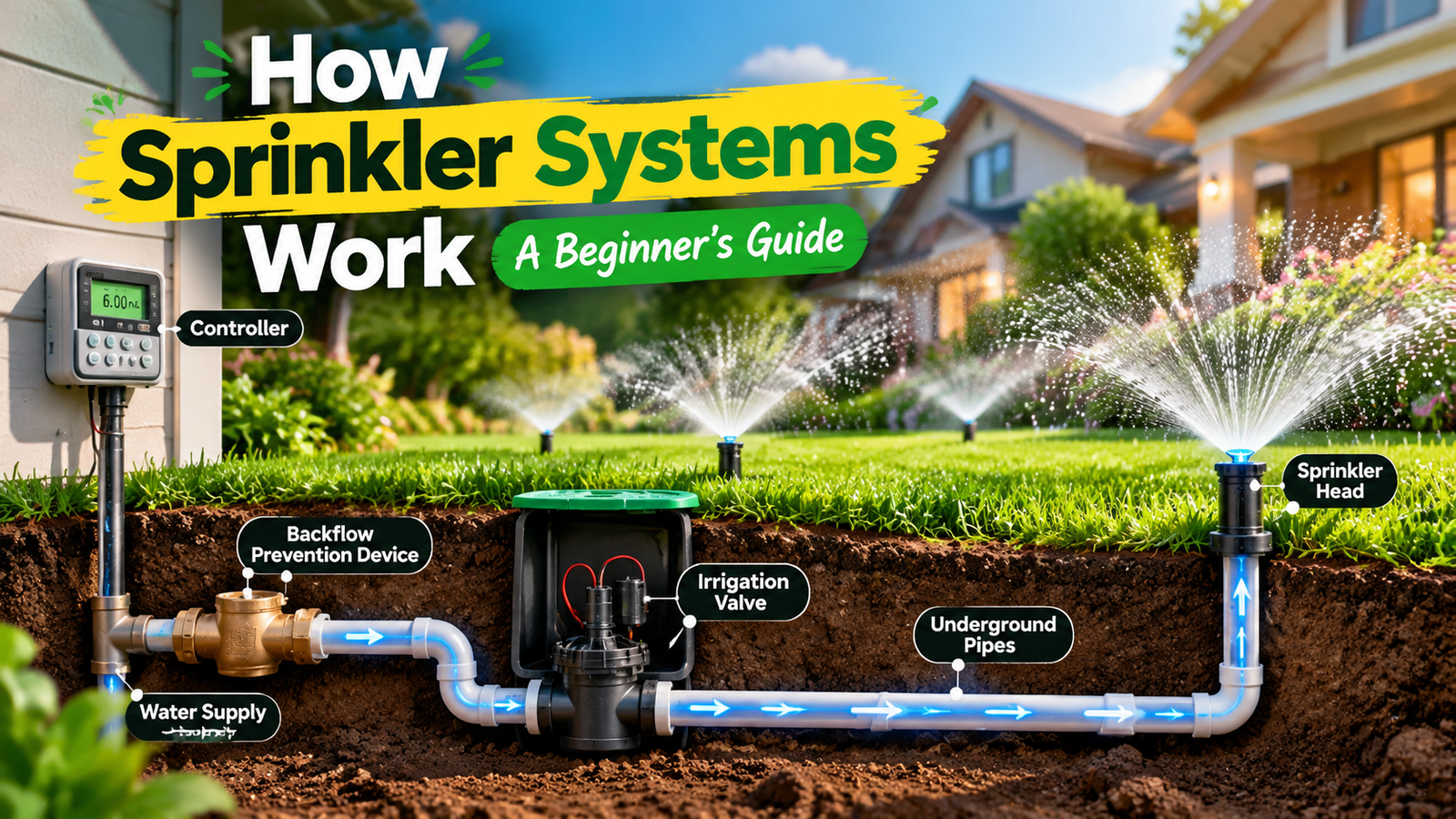
To understand how an irrigation system works, imagine following water from its source to the grass in your yard.
First, water enters the irrigation network from a municipal supply, irrigation well, or another approved source. If the system uses a well or pond, a pump may be needed to move the water at the required pressure.
The water travels through supply pipes until it reaches a control valve. When the irrigation controller activates a particular zone, the corresponding valve opens and allows water to flow through that zone’s distribution lines.
Water then reaches the sprinkler heads or drip emitters. Sprinkler heads distribute water over the lawn, while drip emitters release smaller amounts near the roots of individual plants.
After the programmed watering period ends, the controller signals the valve to close. The system then moves to the next scheduled zone, if another zone is programmed to operate.
This process allows different areas of a property to receive water for different lengths of time. For example, a sunny front lawn may need a different watering schedule from a shaded backyard or a garden bed.
A properly configured system should provide suitable coverage without excessive runoff, overspray, or unnecessary watering.
The 7 Main Components of an Irrigation System
Every residential irrigation system relies on several components working together. Understanding these parts makes routine maintenance and troubleshooting easier.
1. Water Source and Backflow Preventer
The water source supplies the moisture needed by your landscape. Depending on the property, this may be a municipal water connection, a private irrigation well, or another approved source.
A backflow preventer helps protect the potable water supply from contamination caused by irrigation water flowing backward. Backflow prevention requirements depend on the water connection, equipment, and applicable local codes.
Because irrigation water may contain soil, fertilizers, or other contaminants, proper backflow protection is an important safety consideration.
Homeowners should have the device inspected and tested according to applicable requirements rather than assuming that it will continue working indefinitely.
2. Irrigation Pump
A pump may be necessary when an irrigation system draws water from a well or another source that does not provide sufficient pressure on its own.
The pump moves water through the distribution network and helps supply the pressure required by sprinkler heads and other irrigation equipment.
If the pump begins to fail, homeowners may notice weak sprinkler spray, inconsistent coverage, unusual noises, or zones that stop working correctly.
However, low pressure does not always indicate a pump problem. Leaking pipes, clogged filters, restricted valves, and excessive demand can produce similar symptoms.
For more information, see our irrigation pump installation and replacement services.
3. Irrigation Control Valves
Control valves regulate water flow to individual irrigation zones. Instead of watering the entire property simultaneously, the system divides the landscape into manageable sections.
One valve might control the front lawn, another the backyard, and additional valves might supply separate planting beds.
When the controller activates a zone, its valve opens. Once the programmed watering period ends, the valve closes and stops water flow to that section.
A damaged valve can cause a zone to remain dry, continue running after its scheduled cycle, or receive inconsistent water pressure.
Valve problems may involve worn internal parts, debris, electrical faults, or damaged wiring. If basic troubleshooting does not resolve the issue, professional diagnosis may be necessary.
4. Irrigation Controller
The controller acts as the brain of an automatic irrigation system. It determines when each zone operates and how long watering continues.
Traditional controllers follow a fixed schedule entered by the homeowner. Although these systems can work well, they may continue watering when rain has already supplied sufficient moisture.
Smart irrigation controllers can adjust schedules using weather information, rainfall data, or soil moisture sensors, depending on the equipment.
These features can help reduce unnecessary watering when configured correctly. However, smart controllers still require suitable zone settings and regular checks to perform effectively.
5. Underground Pipes and Fittings
Distribution pipes transport water from the supply and valves to the sprinkler heads or drip emitters.
Residential irrigation systems commonly use PVC or polyethylene piping, depending on the system design and application.
Underground leaks may develop because of damaged fittings, aging materials, root intrusion, accidental digging, or other physical damage.
Because these pipes are hidden, a leak may not become obvious immediately. Unusually wet soil, standing water, declining pressure, or unexplained increases in water use can indicate a problem.
Regular inspections help identify potential leaks before they waste large amounts of water or damage the surrounding landscape.
6. Sprinkler Heads and Drip Emitters
Sprinkler heads and drip emitters deliver water to the plants and soil.
Spray heads distribute water over relatively short distances using a fixed spray pattern. Rotor heads rotate while distributing water over larger areas. Drip emitters release water slowly near plant roots.
The correct device depends on the area being watered, the required coverage, soil conditions, and the available water supply.
Broken or clogged sprinkler heads can create dry patches and uneven coverage. Misaligned heads may spray sidewalks, driveways, or walls instead of the lawn.
Cleaning, adjusting, and replacing damaged components can help restore proper water distribution.
7. Sensors and Safety Features
Some irrigation systems include rain sensors, soil moisture sensors, flow sensors, or other monitoring equipment.
A rain sensor can prevent watering after sufficient rainfall. Soil moisture sensors measure moisture near the sensor location and can help determine whether additional irrigation is needed.
Flow sensors may identify unusual water movement that could indicate a leak or broken component.
These devices can improve system management, but their usefulness depends on correct installation, placement, configuration, and maintenance.
Types of Irrigation Systems for Residential Properties
Different irrigation methods provide different levels of coverage and control. Choosing the right method can improve plant health and reduce water waste.
Sprinkler Irrigation
Sprinkler irrigation is one of the most common options for residential lawns. It distributes water through spray heads or rotating sprinkler heads positioned throughout the property.
Sprinkler systems are suitable for open turf areas because they can cover broad sections of grass without requiring manual watering.
However, sprinkler performance depends on correct head spacing, water pressure, nozzle selection, and operating time.
Wind can carry spray away from the intended area, while excessive watering can cause runoff. Regular inspections help maintain even coverage.
Drip Irrigation
Drip irrigation delivers water slowly through small emitters positioned near plant roots.
It is commonly used for flower beds, shrubs, vegetable gardens, and selected landscape plantings. Because water is applied close to the root zone, this method can reduce overspray and unnecessary wetting of nearby surfaces.
Drip systems still require maintenance. Emitters may become clogged, tubing can become damaged, and poor placement can leave some plants without enough moisture.
Filters, suitable pressure regulation, and periodic inspections help maintain reliable performance.
Micro-Irrigation
Micro-irrigation is a broad term for systems that apply water in small quantities to targeted areas. Drip systems and certain low-volume emitters fall within this category.
These systems can be useful for landscapes where plants have different water requirements or where overhead sprinklers would waste water on pathways and other surfaces.
The main advantage is precise delivery. However, the system must be designed around plant spacing, soil conditions, and water demand.
Manual and Soaker-Hose Irrigation
Manual watering and soaker hoses can work well for small gardens, container plants, and temporary watering needs.
A garden hose gives the homeowner direct control, while a soaker hose releases water along its length.
These options may require more attention than automatic systems. Without monitoring, some areas may receive too much water while others remain dry.
For small properties, however, they can provide a practical alternative to installing a complete underground irrigation network.
Irrigation Planning and Design Basics
Effective irrigation begins with planning. A system should be designed around the landscape rather than applying the same watering method to every part of the property.
Group Plants by Water Requirements
Plants with similar water requirements should generally share an irrigation zone. Grass, established shrubs, newly planted flowers, and vegetable gardens may need different watering schedules.
Grouping plants by their needs helps prevent some areas from receiving too much water while others remain dry.
Consider Soil Type
Soil affects how quickly water enters the ground and how much moisture remains available to plants.
Sandy soil, which is common in many parts of Florida, usually drains faster and stores less available water than many clay-rich soils.
This does not automatically mean every sandy lawn needs more frequent watering. The correct schedule depends on root depth, rainfall, plant species, soil conditions, and local restrictions.
Match Sprinkler Heads to the Area
Sprinkler heads should provide suitable coverage across the intended area. Proper spacing helps reduce dry spots between heads.
Different sprinkler types have different precipitation rates. Combining incompatible heads in one zone can cause some areas to receive too much water while others receive too little.
A properly designed layout considers the operating characteristics of each head and the water supply available to the zone.
Prevent Overspray and Runoff
Sprinklers should direct water toward the lawn and planted areas rather than sidewalks, driveways, buildings, or roads.
Watering too quickly can cause runoff before moisture has time to enter the soil. On slopes or compacted ground, shorter watering cycles with appropriate soak periods may improve absorption.
Allow Access for Maintenance
Valves, controllers, backflow devices, and other serviceable components should remain accessible.
Avoid burying equipment beneath mulch, plants, or decorative features. Easy access makes inspections and repairs more straightforward.
Irrigation Scheduling: When and How Much to Water
A suitable watering schedule provides enough moisture for healthy plant growth without saturating the soil.
The right amount depends on grass type, root depth, weather, rainfall, soil characteristics, and local watering rules. There is no single schedule that works for every lawn in Florida throughout the year.
As a starting point, established turf may benefit from approximately three-quarters of an inch of water per irrigation session when conditions indicate that watering is needed. Actual requirements vary, and rainfall should be considered when deciding whether to run the system.
The University of Florida’s gardening resources provide additional guidance on Florida lawn and landscape care.
Water During Appropriate Hours
Early morning is often a practical time to water lawns because temperatures and wind speeds are frequently lower than later in the day.
Midday watering can increase evaporation under hot, sunny conditions. Late-evening watering may leave grass wet for extended periods, potentially encouraging certain turf diseases.
Weather conditions vary, so the best watering time should account for local conditions and the operating requirements of the irrigation system.
Measure Water Distribution
Homeowners can use catch cups to estimate how much water sprinkler zones deliver.
Place several identical, straight-sided containers around a representative section of the lawn. Run the zone for a measured period, then compare the water collected in each container.
If some containers collect significantly more water than others, the zone may have uneven coverage. Adjusting sprinkler heads, correcting pressure problems, or reviewing the layout may help.
Catch-cup testing also helps determine how long a zone must run to apply a target amount of water.
Follow Local Watering Restrictions
Watering schedules may be restricted by the applicable Florida water management district or local authority.
Allowed watering days and other requirements can vary according to location, season, water source, and current regulations.
Check the applicable rules before programming your controller. Do not assume that a schedule permitted in one community is automatically permitted in another.
For additional guidance, review the Florida Department of Environmental Protection and your applicable water management district.
Seven Powerful Tips for Better Irrigation Performance
These seven practical tips can help homeowners improve water distribution, protect their lawns, and maintain a more efficient irrigation system.
Tip 1: Inspect Every Sprinkler Zone Regularly
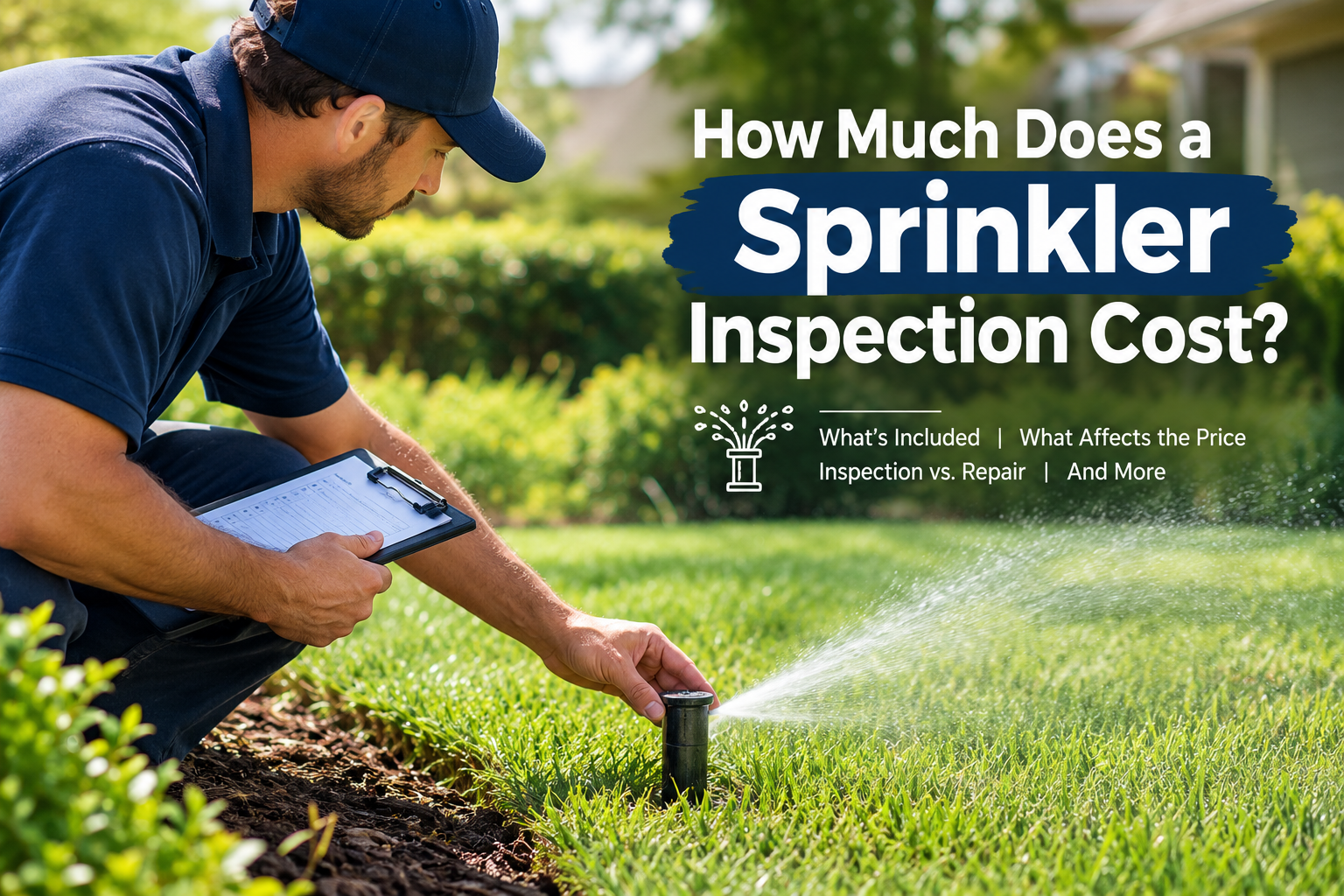
Run each zone manually and observe how water reaches the lawn.
Look for heads that fail to rise, spray in the wrong direction, produce weak streams, or remain inactive. Check for areas that receive too much water and spots that remain dry.
A quick visual inspection can reveal problems that are difficult to identify when the system is operating automatically.
Correcting minor issues early may prevent ongoing water waste and reduce the risk of turf damage.
Tip 2: Adjust Watering After Rainfall
Rainfall can supply much or all of the moisture your lawn needs for a particular period.
If your controller continues running during or immediately after heavy rain, the landscape may become unnecessarily saturated.
Use a functioning rain sensor, suitable smart controller, or manual schedule adjustment to avoid watering when additional irrigation is not needed.
Remember that rainfall may not reach every area equally. Trees, roofs, slopes, and sheltered sections can affect how much water reaches the soil.
Tip 3: Fix Leaks and Broken Sprinkler Heads Quickly
A leaking pipe or damaged sprinkler head can waste water every time the system operates.
Look for persistent wet patches, bubbling water, unusually green strips, or a noticeable decline in system pressure.
Visible damage to a sprinkler head may be straightforward to repair, but underground leaks can require specialized tools and experience.
If you cannot locate the source of the problem, arrange an inspection before the damage becomes more extensive.
Tip 4: Use Drip Irrigation for Suitable Planting Beds
Overhead sprinklers are not always the best option for shrubs, flowers, and other plants arranged in beds.
Drip irrigation can deliver water closer to plant roots while reducing spray onto nearby paths and hard surfaces.
Choose emitters and tubing that match the plants’ requirements, and check the system regularly for clogging or damage.
Different plant species may still need different schedules, so avoid assuming that every planting bed can use the same settings.
Tip 5: Review Your Controller Settings Seasonally
A schedule that works during hot weather may deliver too much water during cooler periods or after substantial rainfall.
Review the controller when seasons change, particularly when temperatures, plant growth, and rainfall patterns shift.
Check each zone’s operating time, watering days, sensor settings, and any seasonal adjustment feature.
Smart controllers can assist with these changes, but incorrect initial settings may still lead to poor performance. Periodic manual review remains useful.
Tip 6: Check Water Pressure and Coverage
Proper pressure helps sprinkler heads operate within their intended performance range.
If heads produce weak streams, fail to rotate, or no longer reach their usual distance, check for visible obstructions and other simple issues.
Low pressure can result from leaks, restricted valves, pump problems, clogged filters, or too many heads operating simultaneously.
Excessive pressure can also create problems, including misting and uneven water distribution.
A qualified irrigation technician can measure pressure and flow to determine whether the system needs adjustment or repair.
Tip 7: Schedule Preventive Maintenance
Routine maintenance helps identify worn parts, damaged wiring, leaks, and controller problems before they disrupt watering.
Inspect sprinkler heads, clean accessible filters where appropriate, review controller settings, and look for signs of water escaping around valves or fittings.
Seasonal checks are particularly useful after periods of heavy rain, landscaping work, or changes in the property’s layout.
For more guidance, explore our sprinkler system repair services in Okaloosa County.
Irrigation Efficiency: How to Reduce Water Waste
Irrigation efficiency means applying water where it is needed, in an appropriate amount, with minimal waste.
A system can run every day and still perform poorly if sprinkler heads are misaligned, watering times are excessive, or water pressure is incorrect.
Several improvements can help make irrigation more efficient.
First, inspect the system for visible leaks and broken heads. Even a relatively small leak can waste water over repeated watering cycles.
Second, adjust sprinkler coverage so water reaches the intended landscape rather than paved surfaces.
Third, use appropriate watering schedules and account for recent rainfall.
Fourth, consider a smart controller or soil moisture sensor when it is suitable for the property and can be configured correctly.
The U.S. Environmental Protection Agency’s WaterSense program offers information about water-efficient products and outdoor water conservation.
Efficiency improvements should be evaluated according to the system’s actual performance. A new controller cannot compensate for a broken pipe, badly positioned sprinkler heads, or an incorrectly designed irrigation zone.
Irrigation Maintenance Checklist
A maintenance routine helps keep irrigation equipment working reliably throughout the year.
Monthly Checks
During periods of regular irrigation, walk around the property and look for obvious signs of trouble.
- Inspect visible sprinkler heads for damage or obstruction.
- Look for water pooling around valves and other equipment.
- Check whether the controller displays an error or warning.
- Observe whether every zone operates as expected.
- Review recent rainfall before the next scheduled cycle.
The frequency of inspections can be adjusted according to system use, equipment condition, and seasonal weather.
Seasonal Checks
At the beginning of a new watering season, review the system more thoroughly.
- Run each zone and assess coverage.
- Check controller settings and sensor operation.
- Look for leaks, damaged fittings, and exposed pipes.
- Confirm that sprinkler heads are not buried under grass or mulch.
- Review watering schedules in light of current conditions.
- Check accessible filters and other components according to the manufacturer’s instructions.
Backflow testing and other regulated maintenance should be completed as required by applicable rules.
After Landscaping or Construction Work
Landscaping, fence installation, tree planting, and digging can damage underground irrigation lines.
After this type of work, run the affected zones and inspect for leaks or changes in pressure.
If a new planting bed, patio, or other feature changes the layout of the yard, consider whether the existing sprinkler coverage remains appropriate.
Common Irrigation Problems and Their Causes
Understanding typical irrigation problems can help homeowners decide whether a simple adjustment or professional repair is needed.
One Sprinkler Zone Is Not Working
If one zone fails while the others operate normally, possible causes include a faulty valve, damaged wiring, a controller issue, or a blocked or damaged supply line.
Check the controller settings first. If the zone still does not operate, the valve and electrical connections may require further diagnosis.
See our guide to troubleshooting a sprinkler zone that is not working.
Sprinkler Heads Have Low Water Pressure
Weak spray can result from a leak, partially closed valve, clogged filter, pump problem, or inadequate supply.
If several heads across a zone are affected, the cause may involve the zone’s water supply rather than an individual nozzle.
Inspect visible components, but avoid making major pressure adjustments without understanding the system’s specifications.
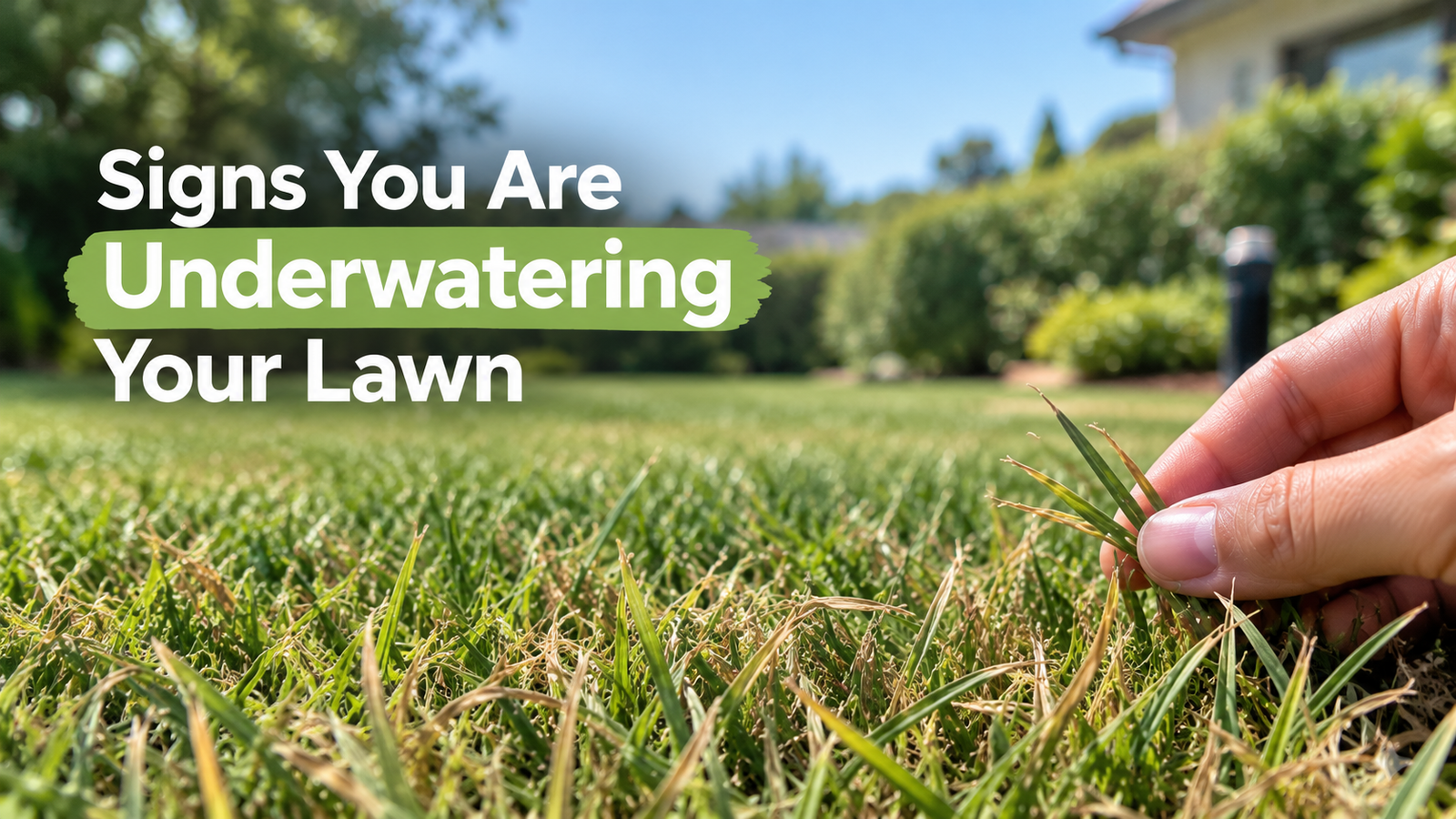
Brown Patches Appear in the Lawn
Brown patches do not always mean the lawn needs more water.
They can indicate poor sprinkler coverage, clogged nozzles, compacted soil, root problems, pests, disease, or other turf issues.
Observe the pattern carefully. Dry patches that follow the shape of a sprinkler’s coverage may suggest a distribution problem, while irregular patches may have other causes.
Correct diagnosis helps prevent unnecessary watering.
Water Pools Around Sprinkler Heads
Pooling may occur when a head leaks, a valve fails to close completely, or water drains from lower sections of the system after irrigation stops.
Some drainage can be related to system layout, but persistent pooling should be investigated.
A leaking head or valve can waste water and may eventually damage nearby turf or landscaping.
The Water Bill Increases Unexpectedly
A sudden increase in water use may indicate an irrigation leak, an incorrectly programmed controller, or another change in household consumption.
Compare watering schedules, inspect the property for wet areas, and check available water-meter information when appropriate.
If the increase cannot be explained, a professional inspection can help identify hidden leaks or faulty components.
Signs Your Irrigation System Needs Professional Repair
Some irrigation problems are suitable for basic homeowner troubleshooting. Others require specialized tools, electrical testing, or knowledge of underground equipment.
Consider arranging a professional inspection if you notice:
- Multiple zones failing unexpectedly.
- A pump that repeatedly loses pressure or makes unusual noises.
- Persistent water pooling or suspected underground leaks.
- Valves that will not open or close correctly.
- Repeated controller or wiring faults.
- Sprinkler heads that continue to provide uneven coverage after adjustment.
- Unexplained water loss that continues despite basic checks.
Addressing these problems early can help prevent additional water waste and reduce the risk of damage to the surrounding landscape.
For more warning signs, read our guide to common sprinkler problems and how to diagnose them.
DIY Irrigation Maintenance vs. Professional Repair
Homeowners can often handle simple maintenance tasks, including cleaning accessible sprinkler nozzles, removing grass from around heads, adjusting spray direction, and updating controller settings.
These tasks are generally manageable when the equipment instructions are followed and the water supply is handled safely.
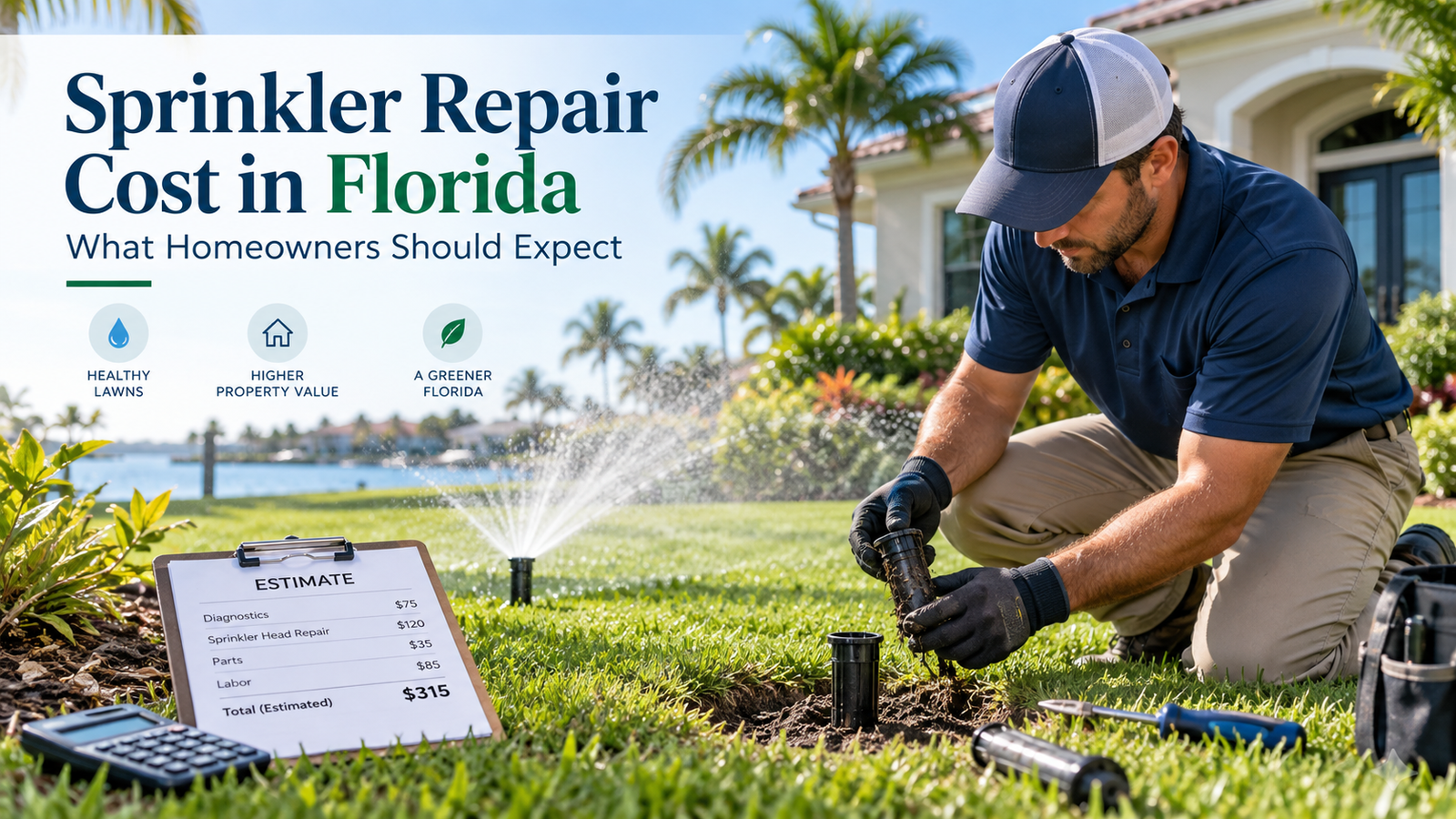
More complicated problems may require professional assistance. Pump failures, underground pipe leaks, damaged control valves, and electrical faults can be difficult to diagnose without suitable tools.
Attempting an unfamiliar repair may damage additional components or create safety risks.
A qualified irrigation professional can assess the water supply, pressure, valves, controller, and distribution network to determine the cause of the problem.
Summit Outdoors Irrigation provides sprinkler system repair services for homeowners across Okaloosa County, Florida.
Regional Irrigation Considerations in Okaloosa County, Florida
Local conditions affect irrigation performance and maintenance requirements.
Sandy Soil and Drainage
Many properties in the Florida Panhandle have sandy soils that allow water to drain relatively quickly.
Because sandy soil may retain less available moisture than finer-textured soil, homeowners should observe how quickly their lawns dry and adjust irrigation according to actual plant needs.
Shorter cycles may be useful where water runs off before it can soak into the ground, but the correct schedule depends on site conditions.
Heavy Rainfall and Humidity
Florida weather can change quickly, with heavy rain occurring during periods of high temperatures.
A rain sensor or appropriately configured smart controller can help prevent unnecessary watering after rainfall.
High humidity and prolonged leaf wetness can also influence turf disease risk, making sensible watering times and appropriate irrigation practices important.
Seasonal Watering Restrictions
The applicable water management district or local authority may impose restrictions on irrigation days, times, or methods.
Homeowners should verify current requirements for their location and water source before setting an automatic schedule.
Coastal Exposure
Properties closer to the coast may experience salt exposure, strong winds, and other environmental conditions that affect outdoor equipment.
Inspect exposed fittings and equipment periodically, and make sure sprinkler heads are adjusted to account for wind and surrounding structures.
Summit Outdoors Irrigation serves homeowners in communities including Fort Walton Beach, Niceville, Destin, and Shalimar.
Final Thoughts
Understanding how an irrigation system works makes it easier to maintain a healthy lawn, identify common problems, and avoid unnecessary water use.
The key is to combine appropriate system design with sensible watering schedules and regular maintenance. Sprinkler heads must provide suitable coverage, valves must operate correctly, and the controller must reflect current weather and landscape needs.
Homeowners should also inspect their systems periodically, check for leaks, and review local watering restrictions. Small adjustments can make a meaningful difference when they address the actual cause of a problem.
If your irrigation system has persistent low pressure, malfunctioning zones, damaged pipes, or a failing pump, professional diagnosis can help identify the issue and determine the appropriate repair.
For homeowners in Okaloosa County, Summit Outdoors Irrigation can help with irrigation troubleshooting, sprinkler repairs, and system maintenance. Visit our website to learn more or contact our team to discuss your irrigation needs.
Frequently Asked Questions
1. How does an irrigation system work?
An irrigation system moves water from a supply source through pipes and control valves to sprinkler heads or drip emitters. A controller activates individual zones according to a programmed schedule, allowing water to reach different parts of the landscape.
2. What are the main parts of an irrigation system?
The main components usually include a water source, backflow prevention equipment where required, valves, a controller, distribution pipes, and sprinkler heads or drip emitters. Some systems also use pumps and sensors.
3. What is the best type of irrigation system for a lawn?
Sprinkler irrigation is commonly used for residential lawns because it can cover large turf areas. The best setup depends on the property’s size, water pressure, lawn shape, soil, and sprinkler coverage requirements.
4. Is drip irrigation better than sprinkler irrigation?
Drip irrigation is often suitable for flower beds and shrubs because it delivers water close to plant roots. Sprinkler irrigation is generally more practical for broad lawn areas. The most appropriate option depends on the plants and landscape design.
5. How often should I run my irrigation system in Florida?
Watering frequency depends on rainfall, grass type, soil, temperature, and local restrictions. Established lawns may need less frequent watering than homeowners expect. Check soil moisture and local guidance before following a fixed schedule.
6. How much water does a lawn need?
The amount varies by grass type, soil, weather, and root depth. Approximately three-quarters of an inch per session can be a useful starting reference for some established Florida lawns when irrigation is needed, but actual requirements differ.
7. Why is one sprinkler zone not working?
Common causes include a faulty control valve, damaged wiring, a controller problem, or a blocked or damaged pipe. Checking the controller first may help identify a simple scheduling issue.
8. Why do sprinkler heads have low pressure?
Low pressure can result from leaks, restricted valves, clogged filters, a failing pump, or insufficient water supply. If several heads are affected simultaneously, inspect the zone’s overall supply rather than assuming every head is defective.
9. Can a smart irrigation controller save water?
A properly configured smart controller can reduce unnecessary watering by adjusting schedules using weather or soil moisture information. Actual savings depend on the existing system, local conditions, and how the controller is installed and maintained.
10. How can I identify an underground irrigation leak?
Possible signs include persistent wet soil, unexplained pooling, unusually green strips of grass, reduced pressure, or increased water consumption. A professional inspection may be needed to locate a hidden leak accurately.
11. How often should an irrigation system be maintained?
Inspect the system periodically during the watering season and perform a more thorough review at seasonal transitions. The ideal schedule depends on equipment condition, frequency of use, weather, and manufacturer recommendations.
12. Should I repair or replace an irrigation pump?
The decision depends on the pump’s condition, the nature of the fault, repair costs, expected reliability, and the availability of replacement parts. A professional assessment can help determine whether repair or replacement is more practical.
13. Why is my lawn brown even though the sprinklers run?
Brown patches may result from uneven sprinkler coverage, clogged heads, compacted soil, pests, disease, or insufficient moisture. Running the system longer without identifying the cause may waste water without solving the problem.
14. Do irrigation systems need a backflow preventer?
Backflow protection is required for many irrigation connections to help prevent contamination of potable water. The applicable device and testing requirements depend on the water supply and local regulations.
15. When should I call an irrigation professional?
Contact a professional when you suspect underground leaks, pump failure, electrical faults, persistent valve problems, or pressure issues that basic troubleshooting does not resolve.