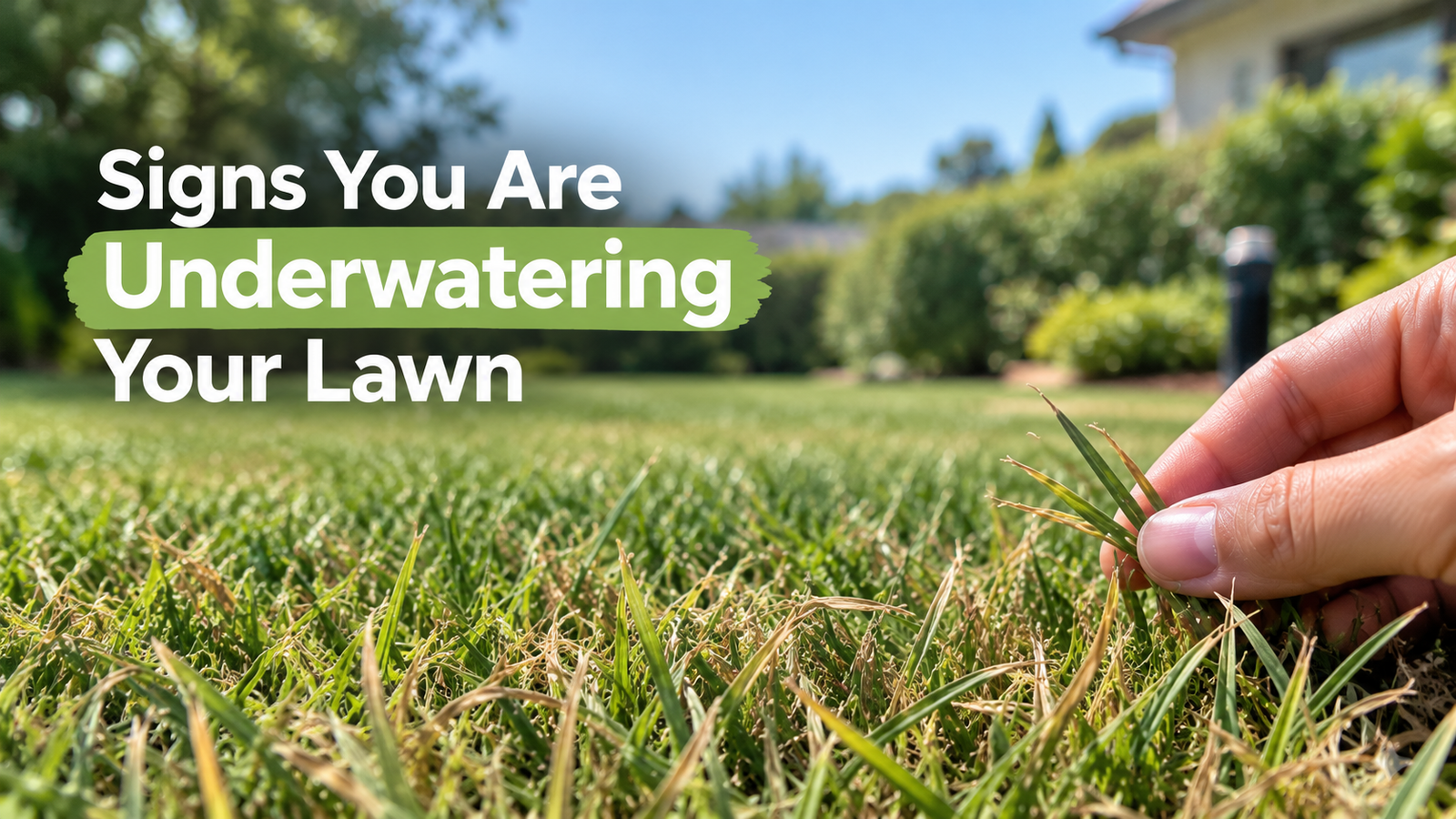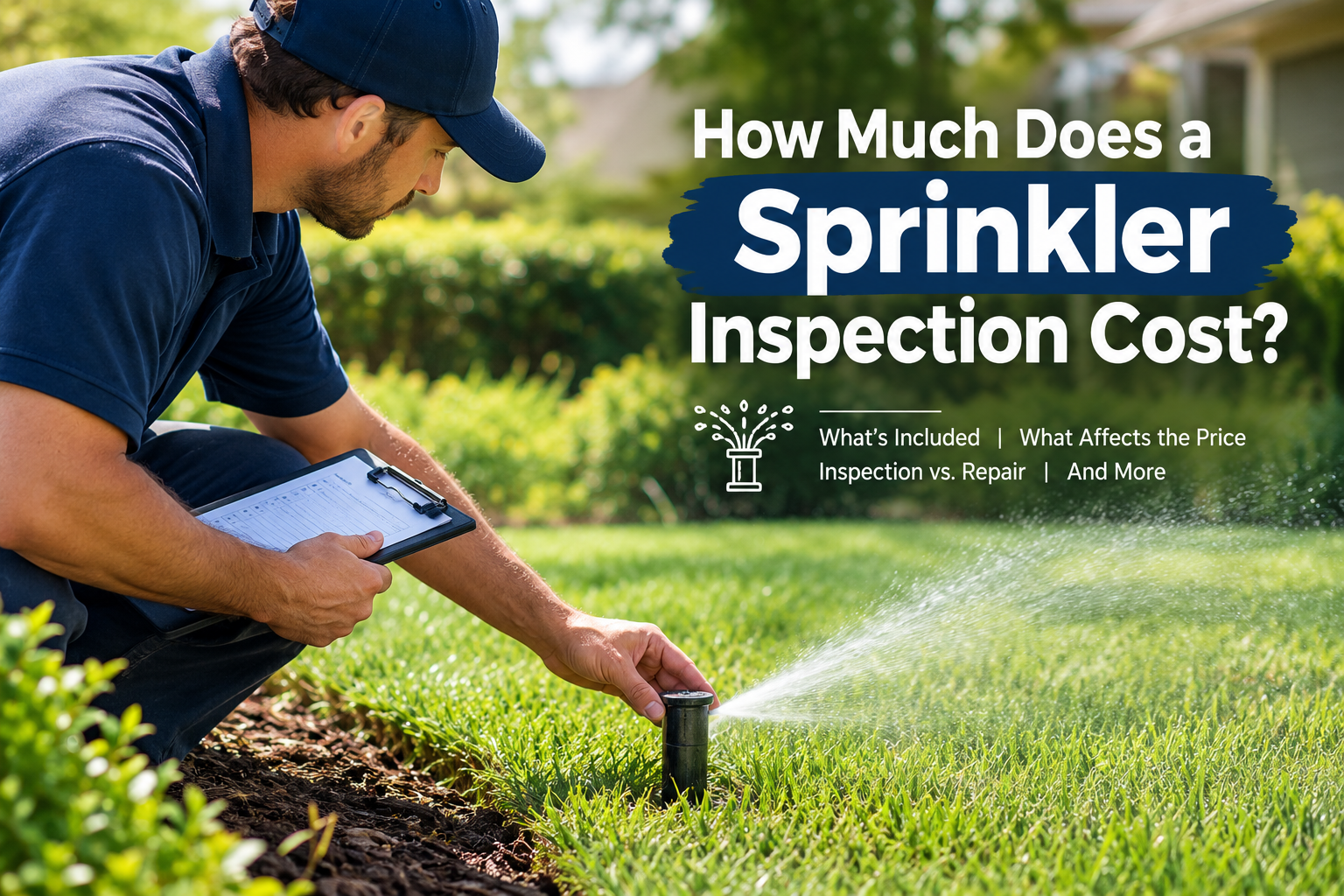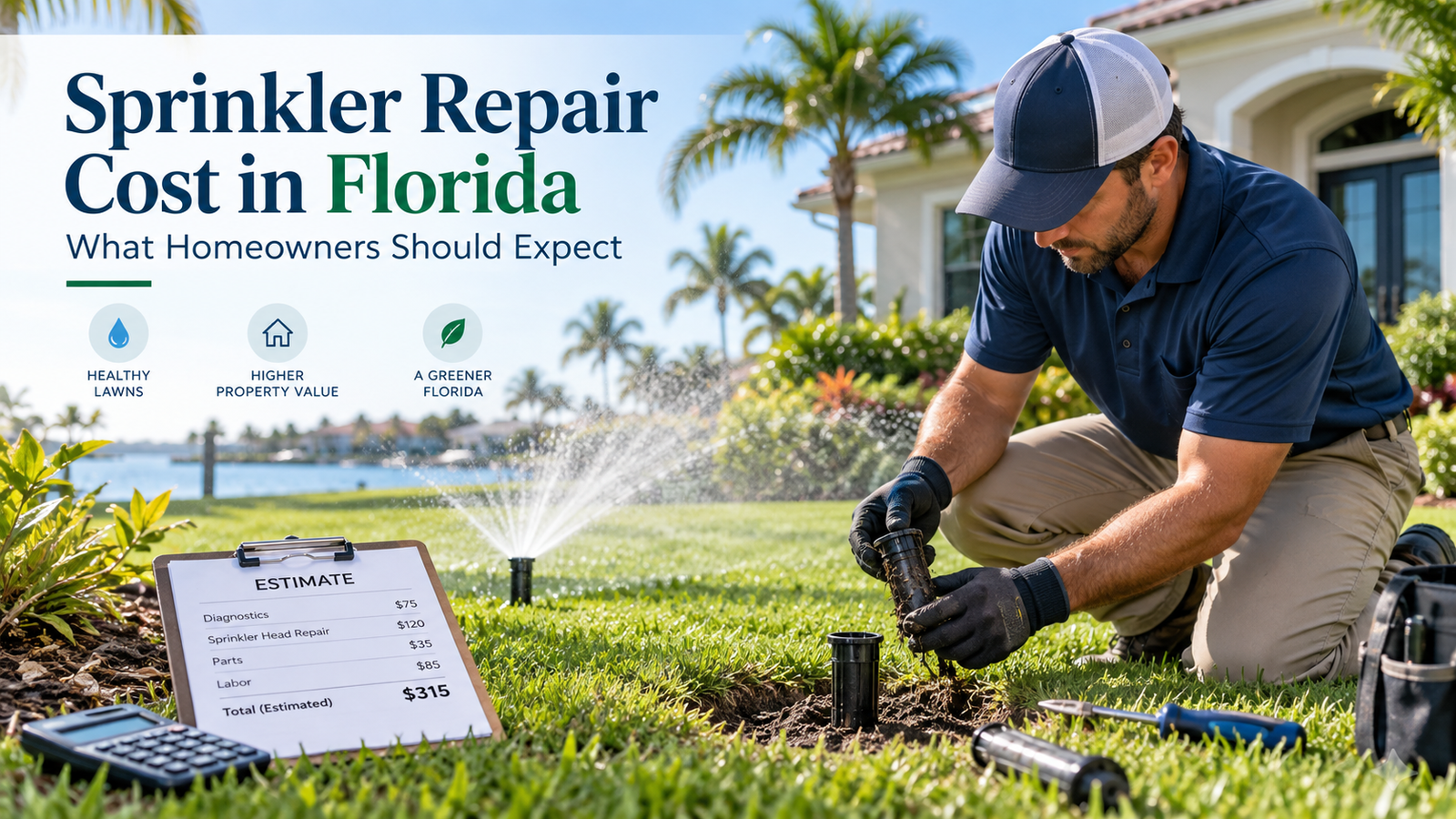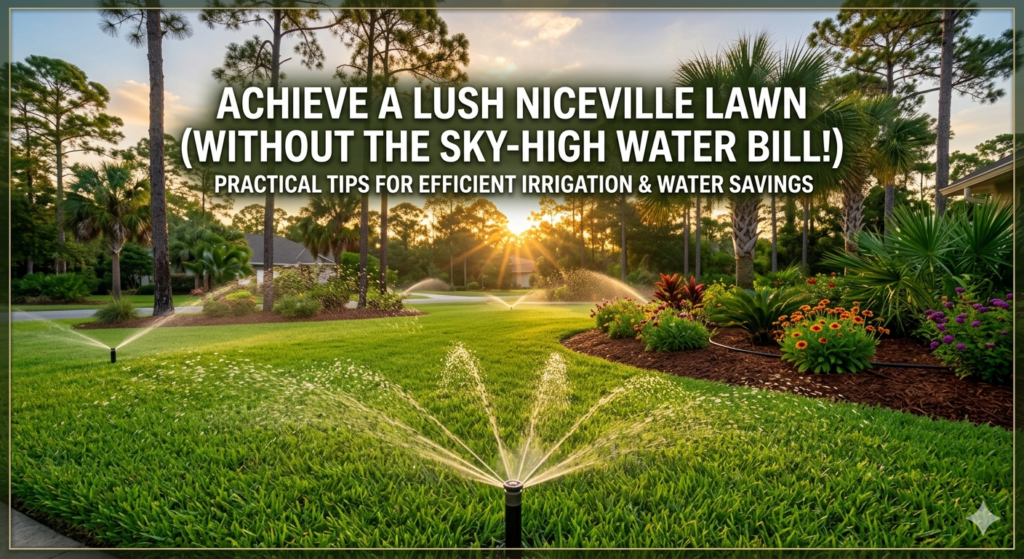
Living in Niceville, you know how important it is to keep your lawn looking lush and green, especially during our warm Florida months. But a beautiful lawn doesn’t have to mean a sky-high water bill. Many homeowners are surprised by how much water their irrigation systems use. The good news is, with a few smart adjustments, you can achieve excellent Niceville irrigation efficiency. This guide will walk you through practical, water-saving sprinkler tips to help you reduce water usage and save money.
Learn more irrigation basics here:
Understanding irrigation systems
Optimize your watering schedule:
Effective Florida lawn watering schedule
Many homeowners are surprised by how much water their irrigation systems use. The good news is, with a few smart adjustments, you can achieve excellent Niceville irrigation efficiency.
Get professional irrigation help:
Book sprinkler system inspection in Niceville
This guide will walk you through practical, water-saving sprinkler tips to help you reduce water usage and save money.
Sprinkler System Maintenance for Water Efficiency in Niceville
Keeping your sprinkler system in top shape is one of the easiest ways to boost water efficiency. Over time, parts can wear out, get clogged, or break, leading to significant water waste that drives up your utility bills. Regular maintenance for your irrigation systems isn’t just about fixing problems; it’s about preventing them before they start.
A quick check-up can reveal issues you might not even notice at first glance. We’ll explore how to spot signs of trouble and when it’s time to call in a local professional for sprinkler system maintenance.
Diagnose system issues early:
Common sprinkler problems: diagnosis guide
Fix issues fast:
How to troubleshoot sprinkler systems
Over time, parts can wear out, get clogged, or break, leading to significant water waste.
Full service support:
Summit Outdoor Irrigation services
Spotting Signs of Water Waste and Addressing Leaks Fast
It’s surprisingly easy to overlook signs of water waste from your sprinkler system. A small leak might not seem like a big deal, but it can lead to a huge amount of water loss and even cause significant damage to your landscape over time. Being proactive can save you a lot of headaches and money.
So, how can you tell if your system is wasting water? Keep an eye out for these common red flags:
- Puddles or soggy spots around sprinkler heads.
- Water spraying onto sidewalks, driveways, or the side of your house.
- Unusually high water bills without a clear reason.
- Dry patches in your lawn, which could signal a clog or broken head.
If you spot any of these issues, it’s best to act quickly. Sometimes, it’s a simple fix like adjusting a sprinkler head. For bigger problems like underground leaks, you might need professional sprinkler repair services to prevent further water loss.
Fix water pressure issues:
Low irrigation water pressure solutions
Water-saving sprinkler upgrades:
Water-saving sprinkler tips Niceville
If you spot issues early, you can avoid expensive damage and reduce unnecessary water loss.
Local Irrigation Repair Know-How: Who to Call and When
When you’re dealing with a tricky sprinkler issue, trying to DIY the repair can sometimes make things worse. That’s when calling for local irrigation repair in Niceville is your best bet. A professional can diagnose the problem accurately and ensure the repair is done right the first time, preventing future high water bills. But how do you know who to trust?
Look for a company with a solid reputation and years of experience serving the Niceville area. Professionals who offer quality service will be able to handle everything from a simple sprinkler system repair to a complex overhaul of your irrigation systems. They can fix common problems like broken valves, leaking lines, and faulty controllers that often lead to wasted water.
Don’t wait until a small drip becomes a major flood. If you suspect a leak or notice your system isn’t working correctly, it’s time to make the call. For reliable service, you can trust a team like Watermaster Irrigation to get the job done.
Emergency repair service:
Sprinkler repair Fort Walton Beach
System diagnosis service:
Sprinkler diagnosis complete guide
Professional irrigation repair helps prevent long-term landscape damage.
Optimizing Your Watering Schedule for Florida’s Climate
In our unique Florida climate, a “set it and forget it” approach to your watering schedule just doesn’t work. To improve water efficiency, you need to adapt to changing weather conditions. A rigid schedule often leads to overwatering, especially during our rainy seasons, which is a waste of both water and money. Adjusting your water use based on the time of day and the specific needs of your lawn is crucial.
Let’s look at how you can time your watering perfectly and set up your sprinkler zones to match our local environment, ensuring your lawn stays healthy without wasting a drop.
Water pressure troubleshooting:
Fix irrigation water pressure problems
Beginner lawn watering guide:
Lawn watering education guide
Proper timing ensures maximum efficiency and lower water bills.
Timing Your Lawn Watering for Maximum Efficiency
When you water your lawn is just as important as how much water you use. Watering at the wrong time of day can cause a significant amount of water to evaporate before it even reaches the roots of your grass. This means you’re paying for water that your lawn never even gets to use. For a green lawn and lower bills, timing is everything.
The best time to run your sprinklers is early in the morning, ideally before 10 a.m. Here’s why:
- Cooler morning temperatures mean less evaporation.
- Calmer winds ensure water lands on your lawn, not your driveway.
Watering in the evening might seem like a good idea, but it can leave your grass wet overnight, which can encourage fungal growth. By adjusting your watering schedule to the early morning, you give your lawn the right amount of water it needs to thrive while minimizing waste due to weather conditions.
Fix sprinkler zone issues:
Sprinkler zone not turning on guide
System troubleshooting help:
Printable sprinkler fix guide
Adjusting Sprinkler Zones and Schedules to Lower Your Utility Bills
Does your entire yard really need the same amount of water? Probably not. Different areas, or “sprinkler zones,” often have unique needs. Your sunny lawn requires more water than the shady spot under a tree, and your flower beds have different needs than your turf. Setting up your system to water these zones independently is a key step toward water conservation.
By grouping plants with similar water requirements together, you can tailor the watering schedule for each zone. This ensures that every part of your landscape receives the right amount of water without overwatering others. Water can then penetrate deep into the root zones where it’s needed most, promoting healthier, more resilient plants.
This simple adjustment can make a huge impact on your utility bills. You’ll stop wasting water on areas that don’t need it and see significant savings over the growing season. It’s a smart way to practice efficient lawn watering in Niceville.
Repair sprinkler system:
Okaloosa sprinkler system repair
Pump installation service:
Irrigation pump installation Okaloosa
Upgrading Sprinkler Components for Better Performance
If your sprinkler system is a bit older, you might be missing out on some incredible water-saving technology. Upgrading key sprinkler components can transform an inefficient system into a model of water conservation. Things like outdated sprinkler heads or basic timers can be major sources of water waste. Modern smart irrigation technology is designed to deliver water more precisely, which is great for your lawn and your wallet.
From more efficient sprinkler heads to smart controllers that practically think for themselves, these upgrades can create a highly efficient irrigation system.
Fix sprinkler repair warning signs:
Top sprinkler repair warning signs
Choosing Efficient Sprinkler Heads and Smart Controllers
Not all sprinkler heads are created equal. Traditional spray heads can sometimes create a fine mist that gets carried away by the wind, while others might water unevenly. Upgrading to more efficient models can make a world of difference. For example, rotary nozzles apply water at a slower rate, allowing the soil to absorb it better and reducing runoff.
Smart controllers are another game-changer. These devices use weather data and soil moisture sensors to automatically adjust your watering schedule. If it’s going to rain, the system won’t run. If it’s extra hot, it might water a little longer. This technology ensures your lawn gets exactly what it needs, saving water and money. An efficient irrigation system truly starts with smart components.
| Component | How It Saves Water |
| Rotary Nozzles | Deliver water in slow, rotating streams, reducing runoff and improving absorption. |
| Drip Irrigation | Applies water directly to the base of plants, minimizing evaporation. |
| Smart Controllers | Use real-time weather data to adjust watering schedules automatically. |
| Soil Moisture Sensors | Prevent watering when the ground is already wet, avoiding waste. |
Save water efficiently:
Water-saving sprinkler optimization
Eco-Friendly Lawn Care and Outdoor Water-Saving Tips
Your water conservation efforts don’t have to stop with your sprinkler system. The choices you make in your yard can also have a big impact on your overall water usage. Simple, eco-friendly lawn care practices can help you maintain a beautiful landscape that requires less water to thrive. From the plants you choose to how you care for your flower beds, every little bit helps.
Let’s explore some landscaping choices and other practical ideas, like using mulch and planting native species, to further reduce your water consumption.
Landscaping Choices That Reduce Water Usage
The types of plants you have in your garden play a huge role in how much water you’ll need to use. Creating a landscape that is naturally water-wise is one of the best ways to cut down on irrigation. Instead of fighting against our Florida climate, why not work with it? This is where smart landscaping choices come in.
Consider these ideas for a more water-efficient yard:
- Choose drought-tolerant grasses and plants that are built to handle our hot, sunny weather.
- Incorporate native plants, which are already adapted to our local environment and require less water once established.
By designing a yard that thrives with minimal irrigation, you can enjoy a beautiful, healthy landscape without constantly running your sprinklers. It’s a sustainable approach that saves water and reduces your maintenance chores.
Mulching, Native Plants, and Other Practical Ideas
Beyond just your plant selection, there are other simple tricks to boost your water conservation. One of the most effective is mulching. Applying a layer of mulch around the base of plants in your flower beds and gardens does wonders. It helps the soil retain moisture by slowing evaporation, which means you don’t have to water as often.
As we touched on, planting native plants is another fantastic strategy. These plants are perfectly suited for the Niceville climate and soil, so they naturally require less water and care than non-native species. They are hardy, beautiful, and a great way to support the local ecosystem.
Combining these ideas—a good layer of mulch, a garden filled with native plants, and a properly maintained sprinkler system—creates a powerful strategy for saving water. It’s a holistic approach to creating a sustainable and beautiful outdoor space.
Conclusion
Wrapping it all up, saving water while keeping your lawn vibrant doesn’t have to be a chore. With a few tweaks to your sprinkler system and some mindful practices, you can make a real impact on both your water bill and the environment. From spotting leaks before they become a headache to upgrading to smarter irrigation solutions, every little change counts. Remember, a well-maintained sprinkler system not only conserves water but also helps you enjoy a lush, green lawn all year round. If you’re ready to get started or need expert help, don’t hesitate to reach out for your local irrigation repair needs. Happy watering!
Book irrigation service:
Schedule sprinkler inspection
Fix low pressure issues:
Irrigation pressure solutions
Improve watering system:
Florida irrigation schedule guide
Frequently Asked Questions
How often should I schedule sprinkler system maintenance in Niceville?
For optimal water efficiency, it’s a good idea to schedule professional sprinkler system maintenance at least once or twice a year. Regular maintenance helps catch issues like leaks or clogs early, preventing water waste and ensuring the system meets the changing needs of your landscape throughout the seasons.
What are some common sprinkler repairs that help cut water costs?
Common sprinkler repair services that boost water conservation efforts include fixing leaks in pipes or valves, replacing broken or clogged sprinkler heads, and adjusting heads to prevent uneven water distribution. Addressing these issues ensures your irrigation systems run as efficiently as possible, saving you money.
Does switching to smart irrigation controllers really make a difference?
Absolutely. Smart controllers make a huge difference in water usage and your utility bills. By using smart irrigation technology to automatically adjust watering based on real-time weather, they prevent overwatering and increase water efficiency, often leading to significant savings over the year.