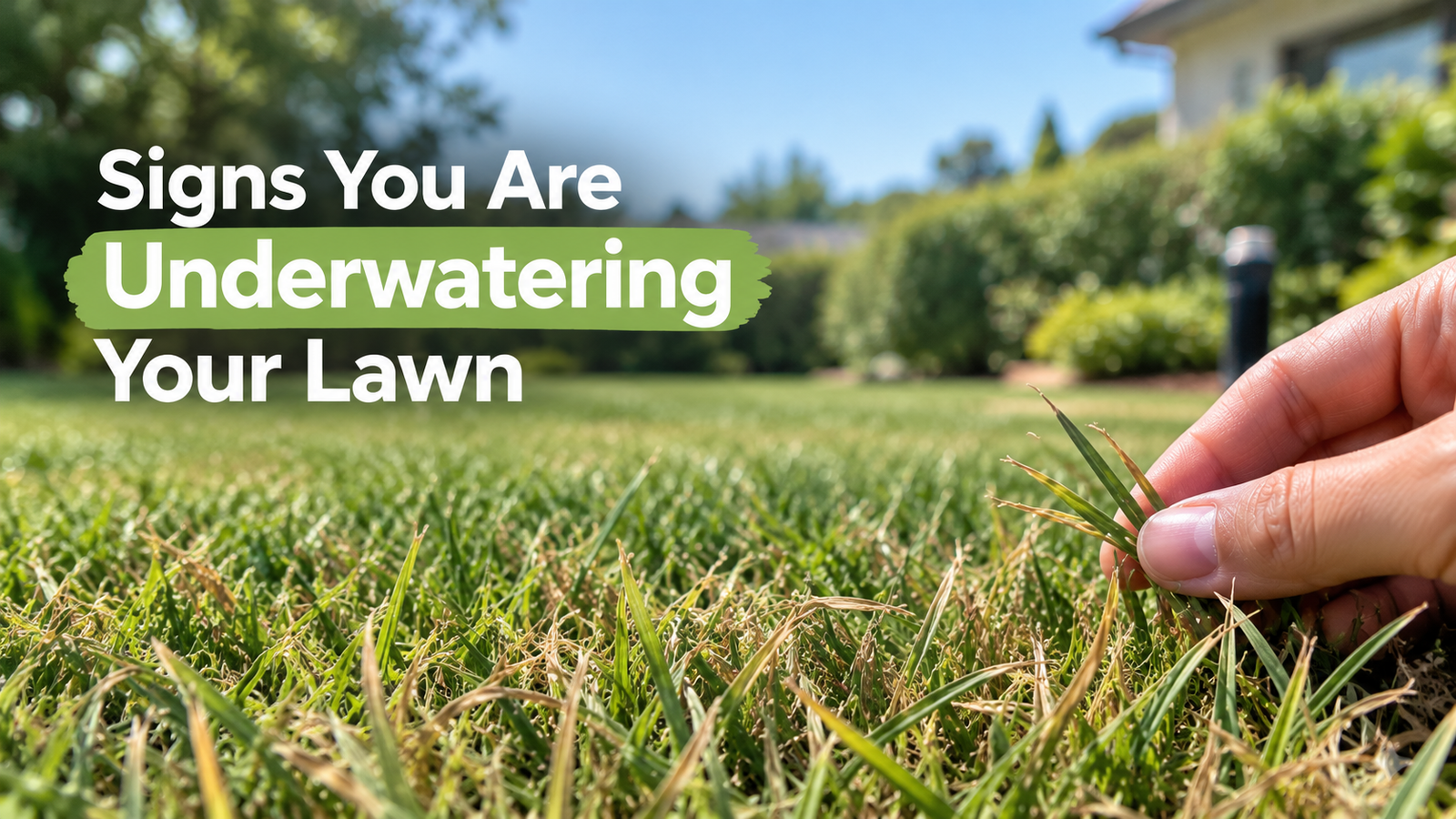
Your lawn may look unhealthy even when your sprinkler system runs every day. You might notice brown grass, dry patches, standing water, or sprinkler heads that do not work correctly. These problems can be frustrating, especially when you are already watering your lawn regularly.
Common Irrigation Problems in Florida Homes often develop because of sandy soil, hot weather, heavy rainfall, damaged sprinkler heads, and leaking pipes. Even a small issue can waste water and affect the health of your lawn if it goes unnoticed.
The good news is that many irrigation problems can be identified through regular inspections. Understanding the warning signs can help you find the cause and decide whether you can fix it yourself or need professional assistance.
In this guide, we will explain seven common irrigation problems in Florida homes, their causes, practical solutions, and simple ways to prevent future damage.
Why Common Irrigation Problems in Florida Homes Occur.
Florida’s weather and soil conditions can make irrigation maintenance challenging. Sandy soil drains water quickly, high temperatures increase evaporation, and heavy rainfall can affect underground pipes and sprinkler components.
Coastal areas may also experience corrosion on certain metal components because of salt exposure. Meanwhile, irrigation systems that operate throughout much of the year experience regular wear and tear.
Understanding these conditions makes it easier to recognize common irrigation problems in Florida homes before they cause expensive repairs.
Homeowners should inspect their systems regularly, check sprinkler coverage, and adjust watering schedules when weather conditions change.
1. Sprinkler Heads Not Working Properly.
Damaged or clogged sprinkler heads are a common reason for poor lawn coverage. A sprinkler head may become blocked with dirt, damaged by lawn equipment, or misaligned during landscaping work.
You may notice water spraying onto the sidewalk instead of the grass. Other warning signs include dry patches, cracked sprinkler heads, and heads that fail to rise or retract properly.
Start by running the affected irrigation zone and checking each sprinkler head. Look for blocked nozzles, damaged parts, and incorrect spray directions.
If the head is simply misaligned, you may be able to adjust it according to the manufacturer’s instructions. A damaged head may need cleaning or replacement.
Also check whether grass or soil is blocking the spray pattern. Removing the obstruction may improve coverage without replacing the sprinkler.
If several heads are malfunctioning, professional sprinkler system repair services can help identify the cause and restore proper water distribution.
You can also read our guide on why sprinkler heads stop popping up for additional troubleshooting advice.
2. Uneven Lawn Watering.
Uneven watering happens when some parts of your lawn receive too much water while other areas remain dry. This can lead to brown grass, unhealthy roots, and unnecessary water waste.
Incorrect sprinkler spacing is one possible cause. If the spray from one head does not reach the next, dry strips may develop between them.
Different sprinkler head types can also distribute water at different rates. Mixing incompatible heads within the same zone may create inconsistent coverage.
Wind, soil conditions, and partially blocked nozzles can make the problem worse.
To find the cause, run each zone and observe the entire watering cycle. Check whether the water reaches all intended areas and look for places where it collects or drains away quickly.
Avoid increasing watering time before checking the coverage. Running the system longer may flood already wet areas without solving the underlying problem.
Correcting sprinkler alignment, spacing, and nozzle selection can help your lawn receive water more evenly.
For additional advice, read our guide on creating an effective lawn watering schedule for Florida homes.
3. Hidden Irrigation Leaks.
Hidden leaks can waste water for weeks before homeowners notice a problem. Because many irrigation pipes run underground, a damaged line may not create an obvious puddle on the surface.
Leaks can develop around pipe connections, underground lateral lines, valve boxes, and other irrigation components. Worn fittings, damaged pipes, and faulty valves are possible causes.
Watch for unusually green grass, constantly wet soil, bubbling water, or unexplained increases in your water bill.
To check for possible leaks, turn off your irrigation system and stop other water use on your property. Check your water meter to see whether it continues registering water consumption. If it does, investigate further because the problem could also be somewhere in your household plumbing.
Do not ignore water collecting near your foundation, driveway, or other structures. Persistent leaks can wash away soil and potentially affect nearby surfaces.
If you suspect an underground leak, professional irrigation repair services can help locate the damaged section and determine the appropriate repair.
Fixing leaks early can reduce water waste and help protect your lawn.
4. Low Water Pressure in Your Sprinkler System.
Low water pressure can prevent sprinkler heads from spraying properly. You may notice weak streams, heads that fail to pop up, or poor coverage across one or more zones.
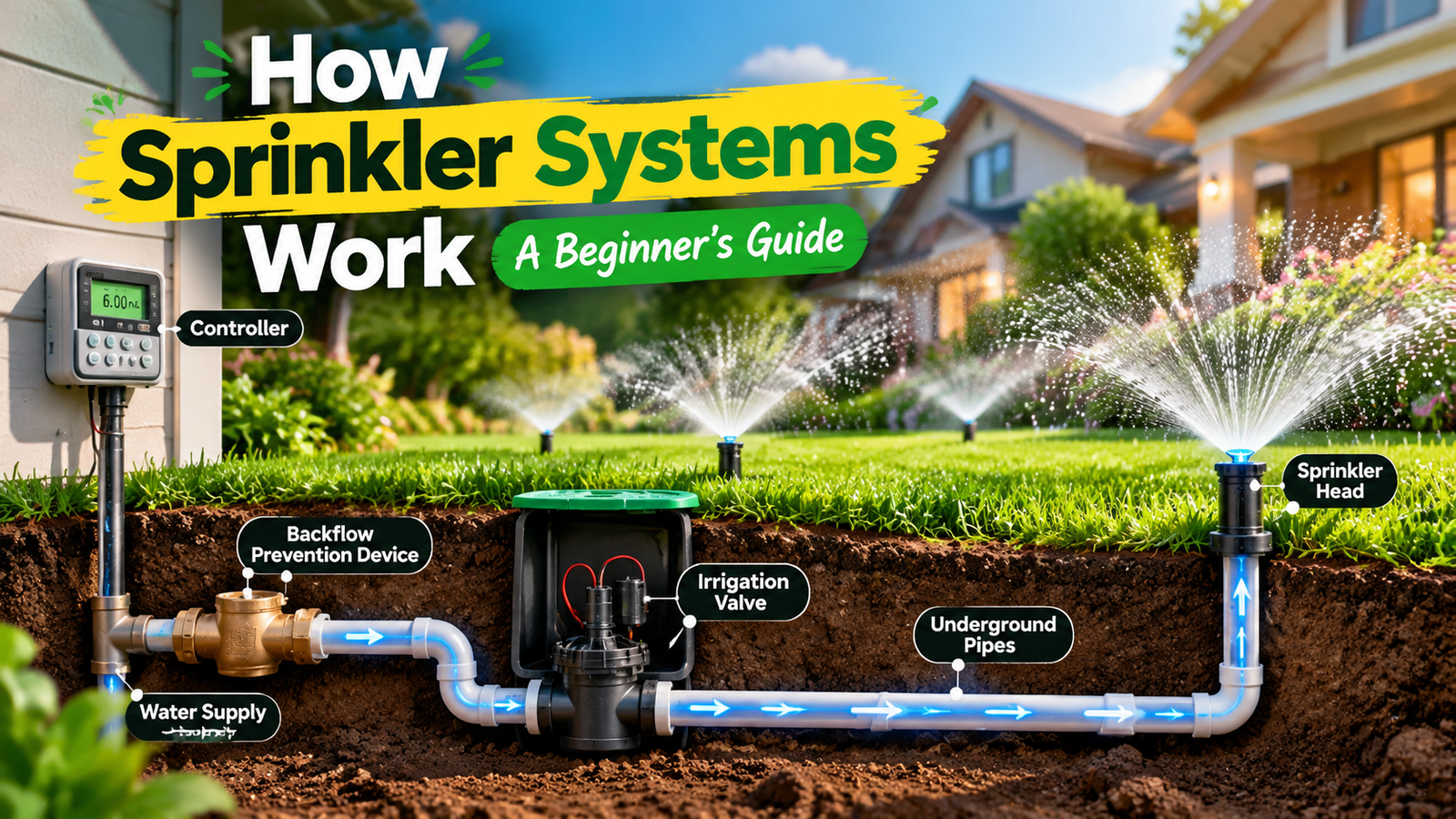
Several issues can cause low pressure. A partially closed valve may restrict water flow, while clogged nozzles and filters can prevent water from reaching the sprinkler heads.
An underground leak may also reduce pressure. In some systems, too many sprinkler heads operating on one zone can exceed the available water supply.
First, check whether the problem affects the entire system or just one zone. If all zones have weak pressure, inspect the main supply and shared valves. If only one zone is affected, the problem may involve its valve, pipes, or sprinkler heads.
You can also inspect accessible sprinkler heads for visible blockages.
Read our detailed guide on why irrigation water pressure becomes low for additional troubleshooting steps.
If the problem continues, professional inspection can help identify leaks, restrictions, or irrigation system design issues.
5. Sprinkler Zones Not Turning On.
An irrigation system may have several zones that water different parts of your yard. If one zone stops working, the remaining zones may continue operating normally.
A zone that does not turn on may have incorrect controller settings, a faulty valve solenoid, damaged wiring, or restricted water flow.
Start by checking the controller. Make sure the zone is included in the watering schedule and that the correct start times are programmed.
Next, determine whether the problem affects one zone or several. If only one zone fails, its valve, wiring, or water supply may need further inspection.
Look for visible damage around the valve box, but avoid handling wet or energized electrical connections.
If the controller settings are correct and the zone still does not operate, professional troubleshooting may be necessary.
Our guide on why a sprinkler zone will not turn on explains additional causes and troubleshooting options.
Identifying the problem early can help restore proper watering before the affected area of your lawn begins to dry out.
6. Irrigation Timer and Controller Problems.
Your irrigation controller determines when your sprinklers run and how long each zone receives water. Incorrect settings can waste water and leave your lawn unhealthy, even when the equipment itself is working properly.
Some homeowners use the same schedule throughout the year without adjusting for rainfall or changing weather conditions. During Florida’s rainy season, this can result in unnecessary watering.
Incorrect start times can also cause the system to run more often than intended. A malfunctioning rain sensor may prevent the controller from responding properly to rainfall.
Check your watering days, start times, and run durations. Make sure the rain sensor is connected and working according to the manufacturer’s instructions.
If your controller repeatedly loses its settings or fails to activate the system, consult the manufacturer’s troubleshooting guide. A damaged or outdated controller may need repair or replacement.
You can explore the irrigation services offered by Summit Outdoors Irrigation if you need help with a recurring controller problem.
Correct scheduling can help conserve water and maintain healthier grass.
7. Poor Irrigation System Maintenance.
Regular maintenance helps prevent small irrigation problems from becoming expensive repairs. A clogged nozzle, loose connection, or damaged sprinkler head may seem minor, but it can affect the performance of your entire system.
Inspect your irrigation system at least twice a year and perform quick visual checks during regular use.
Clean sprinkler nozzles when necessary and remove grass or soil that blocks the spray pattern. Look for damaged pipes, leaking valves, and changes in water pressure.
Walk around your lawn while each zone is running. This makes it easier to identify dry areas, excessive runoff, and sprinkler heads that are not working correctly.
If your system uses well water, check whether sediment is affecting filters or nozzles.
Pay attention to recurring problems instead of repeatedly adjusting the watering schedule. A persistent issue may indicate a damaged component that needs repair.
Regular maintenance can improve irrigation efficiency, reduce water waste, and extend the life of your equipment.
For more guidance, read our beginner’s guide to irrigation maintenance.
How to Prevent Common Irrigation Problems in Florida Homes.
Preventive maintenance can help homeowners avoid many irrigation issues. A few simple habits can make it easier to identify problems before they damage the lawn.
Inspect every irrigation zone at least once a month during periods of regular use. Watch the full watering cycle and look for leaks, blocked nozzles, and uneven coverage.
Adjust your watering schedule when weather conditions change. Reduce unnecessary watering during rainy periods and follow applicable local watering restrictions.
Check your rain sensor regularly to make sure it works correctly. Keep sprinkler heads clear of grass, mulch, and soil.
Monitor your water bill for unexplained increases. If your water consumption rises without a clear reason, inspect your irrigation system for possible leaks.
You should also arrange a professional inspection if your system develops repeated problems or has not been maintained for a long time.
The University of Florida’s IFAS Extension resources provide additional information about Florida lawn care, landscaping, and water management.
The U.S. Environmental Protection Agency also offers WaterSense resources to help homeowners understand water efficiency and reduce unnecessary water use.
Following these recommendations can help you manage common irrigation problems in Florida homes while maintaining a healthier lawn.
When to Call a Professional for Irrigation Repair.
Some irrigation problems are simple enough for homeowners to handle. Cleaning a clogged nozzle, adjusting a sprinkler head, or correcting a controller setting may solve a minor issue.
Other problems require specialized equipment and professional experience.
Contact an irrigation specialist if you suspect an underground leak, experience repeated pressure loss, or notice several zones failing to operate.
Electrical faults, damaged underground pipes, and recurring valve problems can be difficult to diagnose without proper testing.
Professional assistance may also be helpful when your lawn continues to develop dry patches or standing water despite repeated adjustments.
If your irrigation system is more than ten years old and develops several problems at once, an inspection can help determine whether individual repairs or broader improvements are necessary.
Professional troubleshooting can save time, reduce unnecessary digging, and help restore proper water distribution.
Why Choose Summit Outdoors Irrigation.
Summit Outdoors Irrigation provides irrigation repair and troubleshooting services throughout Okaloosa County, Florida. The company serves communities such as Fort Walton Beach, Niceville, Destin, and Shalimar.
Local soil and weather conditions can affect irrigation performance. Identifying the actual cause of a problem is important for preventing repeated breakdowns and unnecessary water waste.
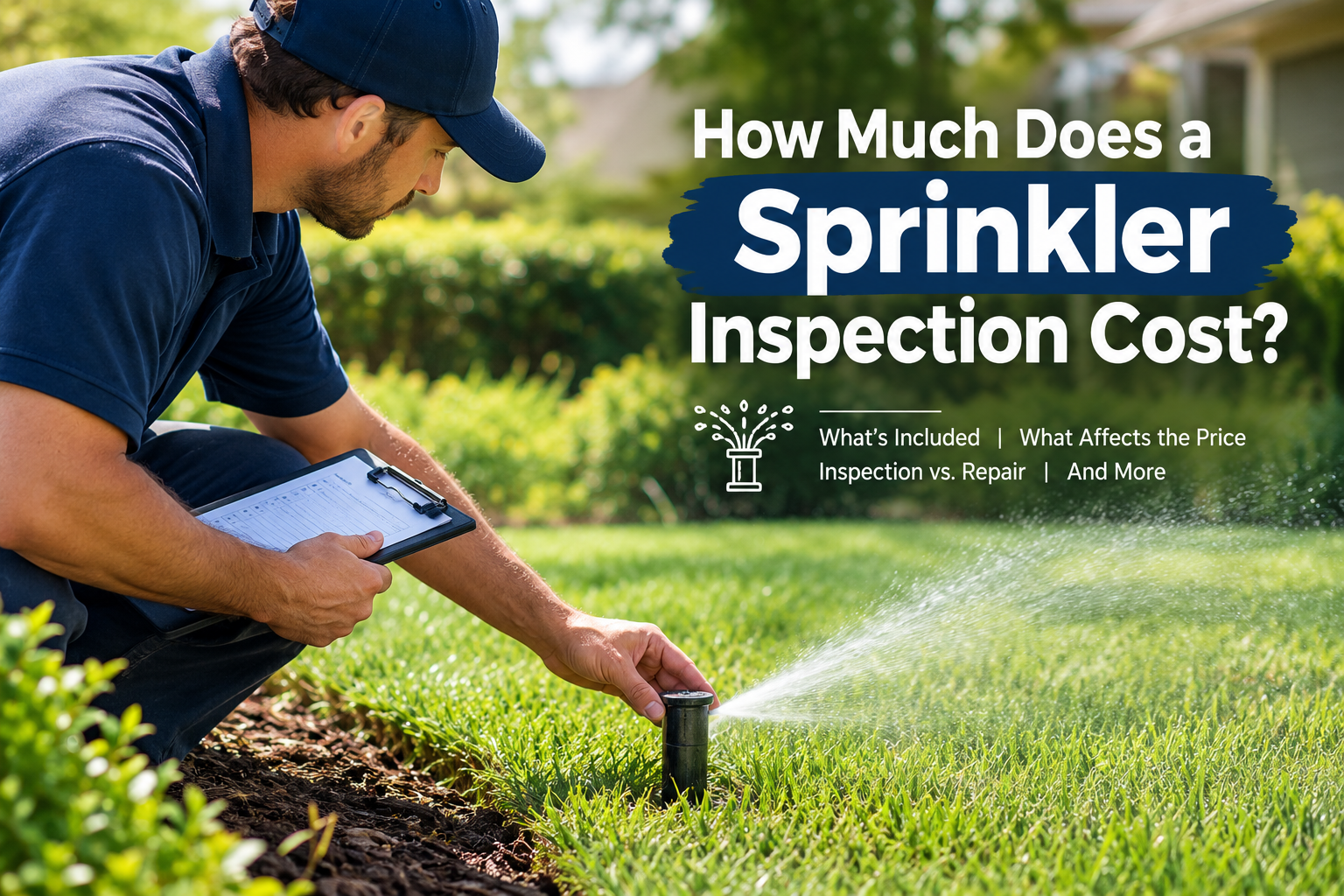
An inspection may include checking sprinkler heads, testing water pressure, examining valves, and investigating possible leaks.
Depending on the issue, repairs may involve replacing damaged sprinkler heads, correcting valve problems, repairing pipes, or improving water coverage.
The goal is to identify the source of the problem and recommend an appropriate solution for your system.
If you are experiencing common irrigation problems in Florida homes, such as dry patches, leaking pipes, or malfunctioning sprinklers, visit the Summit Outdoors Irrigation website to learn more about available services. You can also contact the team to discuss your irrigation concerns.
Frequently Asked Questions.
What Are the Most Common Irrigation Problems in Florida Homes.
Common irrigation problems in Florida homes include clogged sprinkler heads, uneven watering, hidden leaks, low water pressure, faulty valves, and incorrect controller settings. Regular inspections can help identify these issues before they cause significant lawn damage.
Why Does My Sprinkler System Have Low Water Pressure.
Low pressure may result from a partially closed valve, clogged sprinkler heads, restricted pipes, or an underground leak. Too many sprinkler heads operating on one zone can also reduce performance.
How Often Should I Inspect My Irrigation System.
Inspect your irrigation system at least twice a year and perform quick visual checks every month during regular use. You should also check the system after major landscaping work or whenever you notice changes in water pressure or lawn condition.
Why Is One Sprinkler Zone Not Working.
A zone may stop working because of incorrect controller settings, a faulty valve solenoid, damaged wiring, or restricted water flow. Check the controller first and arrange professional troubleshooting if the problem continues.
How Can I Tell If My Irrigation System Has a Leak.
Look for unusually wet soil, standing water, bubbling ground, or patches of grass that remain greener than surrounding areas. An unexplained increase in your water bill may also indicate a leak.
Can Irrigation Problems Increase My Water Bill.
Yes. Leaking pipes, stuck valves, damaged sprinkler heads, and incorrect watering schedules can waste water. Identifying and correcting these problems can help reduce unnecessary water use.
Can I Fix Irrigation Problems Myself.
Some minor issues, such as cleaning a clogged nozzle or adjusting a sprinkler head, may be suitable for homeowners. Underground leaks, electrical faults, valve failures, and persistent pressure problems often require professional diagnosis and repair.
How Can I Prevent Irrigation Problems During Florida’s Rainy Season.
Check your watering schedule, make sure your rain sensor works correctly, and inspect the system for leaks or damaged components. Reduce unnecessary watering when rainfall provides sufficient moisture and follow local watering restrictions.