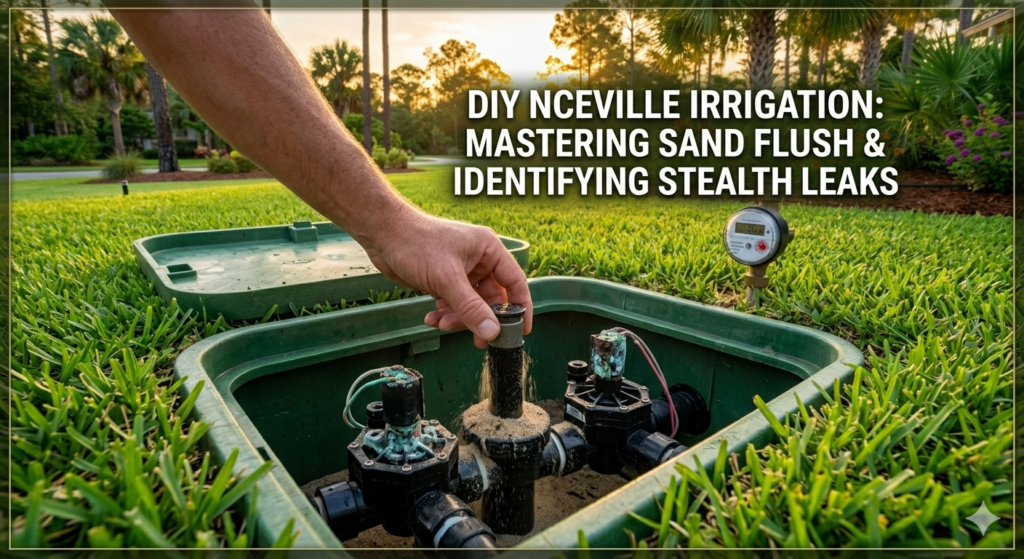
Common sprinkler problems can leave your lawn with dry patches, uneven grass growth, and unexpectedly high water bills. A properly functioning irrigation system helps maintain healthy grass and plants by delivering water where it is needed. However, even a well-maintained sprinkler system can develop problems over time.
Learning how to identify common sprinkler problems early can help you prevent water waste and protect your landscape. Issues such as clogged sprinkler heads, low water pressure, faulty valves, and underground leaks can often be identified through a few simple checks.
In this guide, we will explain seven common irrigation problems, their possible causes, and practical troubleshooting steps to help you maintain a healthier lawn.
7 Common Sprinkler Problems You Should Know
Identifying common sprinkler problems early can help prevent expensive repairs and unnecessary water waste. Watch for uneven watering, weak spray patterns, leaking heads, or sprinkler zones that fail to activate.
Some issues are caused by dirt or debris, while others may involve damaged pipes, electrical connections, or malfunctioning valves.
For a broader overview, read our guide to diagnosing common sprinkler system problems.
1. Sprinkler Heads Not Popping Up
Sprinkler heads that fail to rise properly are among the most noticeable irrigation problems. When a head remains below ground, water cannot reach the intended area, leaving parts of your lawn dry.
Common causes include clogged nozzles, dirt around the pop-up mechanism, insufficient water pressure, and damaged sprinkler components.
How to troubleshoot the problem:
- Inspect the sprinkler head for dirt, grass clippings, or other debris.
- Clean the nozzle and filter according to the manufacturer’s instructions.
- Check whether nearby sprinkler heads are working normally.
- Look for soggy soil that might indicate an underground pipe leak.
- Replace a damaged sprinkler head if cleaning does not resolve the issue.
If several heads in the same zone fail to pop up, investigate the water supply, zone valve, and pressure before replacing individual heads.
Regular inspection can help you identify these common sprinkler problems before they damage larger areas of your lawn.
2. Low Water Pressure in the Sprinkler System
Low water pressure can cause weak spray patterns, incomplete coverage, and dry patches. Instead of distributing water evenly, sprinkler heads may produce a weak stream or struggle to reach the required distance.
The cause may be a partially closed supply valve, clogged filters, a damaged pipe, or an irrigation pump problem.
Steps to restore proper water pressure:
- Check that the main irrigation supply valve is fully open.
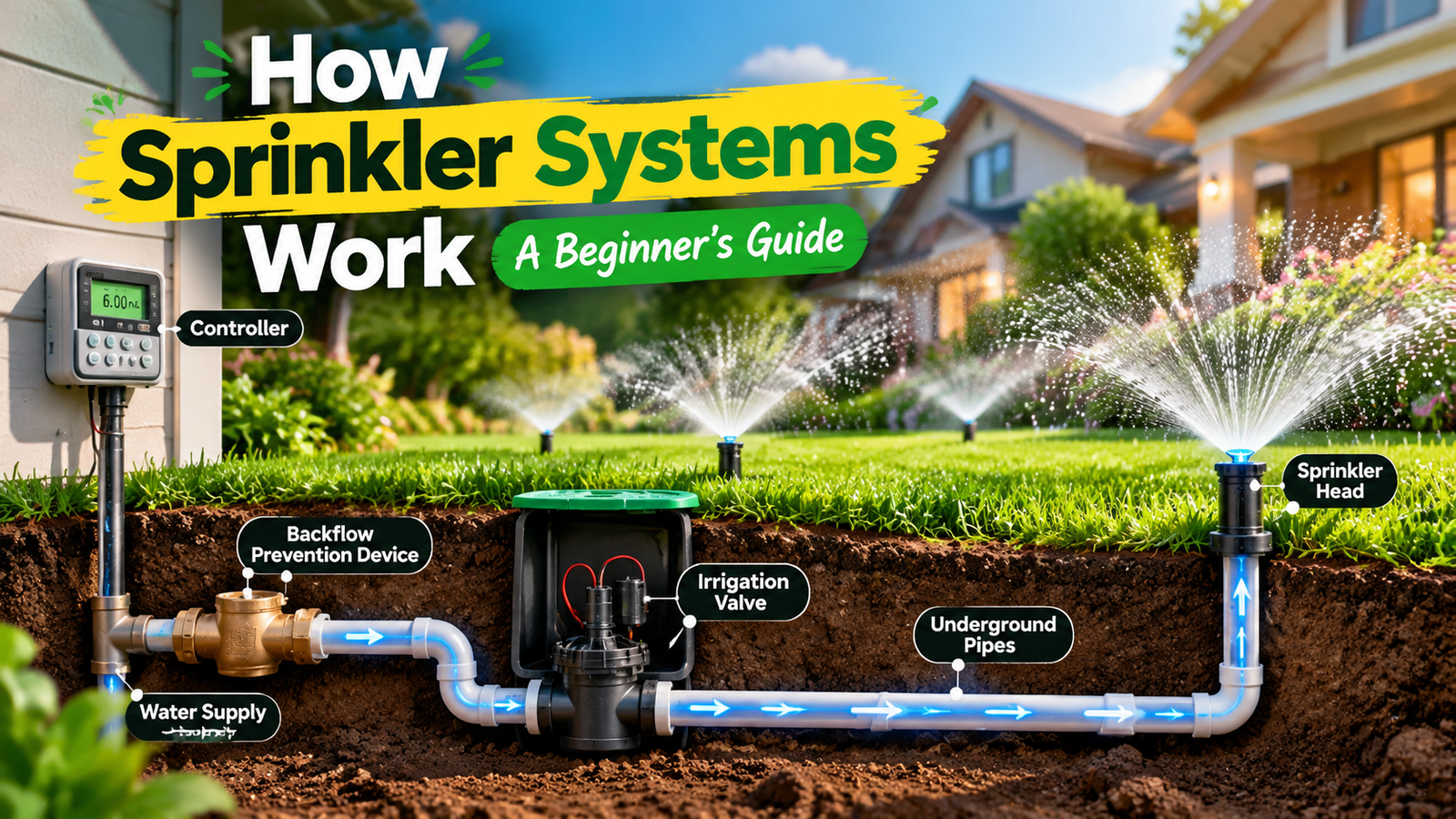
- Inspect the backflow preventer valves, if accessible and appropriate for your system.
- Clean clogged nozzles and filters.
- Examine the lawn for unusually wet areas that may indicate a leak.
- Compare the pressure across different irrigation zones.
If every zone has weak pressure, the issue may involve the main water supply or pump. If only one zone is affected, investigate that zone’s piping, valve, and sprinkler heads.
Read our guide to fixing low water pressure in an irrigation system for additional troubleshooting advice.
3. Clogged or Damaged Sprinkler Heads
Sprinkler nozzles can become blocked by soil, sand, mineral deposits, and other debris. A clogged head may spray unevenly, produce an irregular pattern, or stop distributing water altogether.
Physical damage can also affect performance. Lawn mowers, foot traffic, and landscaping equipment may crack or misalign sprinkler heads.
How to fix clogged sprinkler heads:
- Turn off the irrigation zone before inspecting the head.
- Remove the nozzle or filter according to the manufacturer’s instructions.
- Rinse away dirt and debris.
- Check for cracks, worn components, or damaged threads.
- Replace damaged parts with compatible components.
After cleaning or replacing the head, run the zone and check whether the spray pattern covers the intended area.
Avoid using sharp tools that could enlarge nozzle openings or damage delicate components. Proper cleaning and maintenance can improve irrigation efficiency and reduce water waste.
4. Sprinkler System Not Turning On
A sprinkler system that does not activate may have an electrical problem, an incorrect watering schedule, or a water supply issue.
Before assuming that a major component has failed, check the controller and water supply.
Start with these basic checks:
- Confirm that the irrigation controller has power.
- Review the programmed watering days and start times.
- Check whether the controller is in the correct operating mode.
- Inspect the circuit breaker or GFCI outlet if the controller has lost power.
- Verify that the main irrigation supply valve is open.
- Use the controller’s manual test function to activate an individual zone.
If the controller works but a particular zone remains inactive, the problem may involve the solenoid, valve wiring, or zone valve.
Electrical troubleshooting should be handled carefully. Disconnect power before inspecting wiring, and contact a qualified irrigation technician if you cannot safely identify the fault.
For more detailed guidance, see our article on troubleshooting a sprinkler zone that will not turn on.
5. Faulty Sprinkler Valves
Sprinkler valves regulate water flow to individual irrigation zones. When a valve becomes damaged or clogged, a zone may fail to activate or continue running after the controller shuts it off.
Dirt, sand, mineral deposits, and worn diaphragms can prevent a valve from opening or closing correctly.
Common warning signs include:
- One irrigation zone does not activate.
- A sprinkler zone continues running after the cycle ends.
- Water flows through sprinkler heads when the system should be off.
- Several heads in one zone receive insufficient water.
To troubleshoot the problem, check the controller settings and inspect the valve area for visible damage or leaks. If the valve requires internal inspection, shut off the water supply first and follow the manufacturer’s service instructions.
Debris inside a valve may sometimes be removed by cleaning its internal components. A damaged diaphragm, solenoid, or valve body may require replacement.
If you are unsure how to identify or repair a faulty valve, consider professional sprinkler system repair services in Okaloosa County.
6. Underground Sprinkler Pipe Leaks
Underground leaks can waste substantial amounts of water while reducing the pressure available to sprinkler heads. Because the damaged pipe may be hidden beneath the lawn, the problem is not always immediately obvious.
Common warning signs include unusually wet soil, sunken ground, bubbling water, and patches of grass that grow faster than surrounding areas.
How to investigate a possible leak:
- Run the suspected irrigation zone briefly and observe the affected area.
- Look for water bubbling through the soil or collecting around sprinkler heads.
- Check for unusually soft or sunken ground.
- Turn off the irrigation supply before digging.
- Carefully expose the suspected damaged section and inspect the pipe.
A small crack may be repairable with a suitable coupling, while a severely damaged section may need replacement. Always use compatible materials and follow the correct repair procedures for your irrigation system.
Do not dig blindly around underground utilities. Check for buried utility lines before excavation and contact a professional when the location or extent of the damage is uncertain.
For additional help, explore our guide to irrigation sprinkler repair in Fort Walton Beach.
7. Sprinklers Leaking When the System Is Off
Water dripping from a sprinkler head after the irrigation cycle ends can be caused by low-head drainage or a valve that does not close completely.
Low-head drainage occurs when water remaining in the pipes flows out through the lowest sprinkler head after the system shuts down. This may be normal for some system designs, but persistent leaking can also indicate a component problem.
What you should check:
- Determine whether the leaking head is at the lowest point in the zone.
- Observe whether the dripping stops after the remaining water drains.
- Check for continuous water flow that persists well after the cycle ends.
- Inspect the zone valve for signs of debris or a damaged diaphragm.
- Consider a compatible sprinkler head with a built-in check valve if low-head drainage is the cause.
If water continues flowing after the system should be off, the zone valve may need cleaning or repair. Persistent leakage should be investigated to avoid unnecessary water use and damage to the surrounding landscape.
For location-specific assistance, see our sprinkler repair services in Niceville.
How to Prevent Common Sprinkler Problems
Preventive maintenance can help reduce unexpected failures and extend the life of your irrigation system. A short inspection every few weeks during the watering season can reveal problems before they become expensive.
Follow these practical maintenance tips:
- Inspect sprinkler heads: Check for clogs, cracks, misalignment, and blocked spray patterns.
- Monitor water pressure: Watch for sudden changes in spray distance or flow.
- Check for leaks: Look for soggy soil, standing water, and unusually green patches.
- Review watering schedules: Adjust the schedule for rainfall, seasonal conditions, and plant needs.
- Test each zone: Run the system periodically to confirm that all zones activate and shut off correctly.
- Clean filters and nozzles: Follow manufacturer recommendations to maintain proper water flow.
- Schedule professional inspections: Have persistent pressure, valve, pump, or electrical problems assessed by an experienced technician.
You can also review the EPA WaterSense Watering Tips for guidance on more efficient outdoor watering practices.
Homeowners in Florida should also consider local rainfall and seasonal watering needs when setting irrigation schedules. Our guide to an effective lawn watering schedule for Florida homes provides additional information.
When Should You Call a Sprinkler Repair Professional?
Some sprinkler problems can be resolved with basic cleaning or adjustments. However, professional assistance may be necessary when the system has persistent low pressure, underground pipe damage, electrical faults, or valves that repeatedly fail.
Consider professional service if:
- Multiple zones stop working unexpectedly.
- Water pressure remains low after basic checks.
- You suspect a major underground leak.
- A valve will not shut off completely.
- The irrigation pump makes unusual noises or fails to operate.
- You cannot identify the source of the problem safely.
A professional inspection can help identify the underlying cause rather than simply treating the symptoms. This can reduce unnecessary component replacements and help restore reliable irrigation performance.
For assistance with your system, visit Summit Outdoor Irrigation to learn more about available irrigation services.
Conclusion
Common sprinkler problems can affect lawn health, increase water consumption, and lead to costly repairs when left unresolved. Fortunately, many issues can be identified early by checking sprinkler heads, monitoring water pressure, inspecting valves, and looking for signs of leaks.
Regular maintenance is one of the best ways to keep your irrigation system operating efficiently. Clean clogged nozzles, correct watering schedules, and address unusual leaks before they cause more extensive damage.
If basic troubleshooting does not solve the issue, consider contacting an irrigation professional to diagnose the problem and recommend the right repair.
A properly maintained sprinkler system helps you conserve water, protect your landscape, and keep your lawn looking healthy throughout the growing season.
Frequently Asked Questions
What are the most common sprinkler problems?
The most common sprinkler problems include clogged or broken heads, low water pressure, faulty valves, underground pipe leaks, electrical failures, and sprinkler heads that continue dripping after the system shuts off.
Why are my sprinkler heads not popping up?
Sprinkler heads may fail to rise because of clogged nozzles, debris around the pop-up mechanism, insufficient water pressure, damaged heads, or a leaking pipe. Inspect the head and compare its performance with other heads in the same zone.
Why does my sprinkler system have low water pressure?
Low pressure may result from a partially closed supply valve, clogged filters, leaking pipes, a faulty pressure regulator, or a problem with the water supply or irrigation pump.
Why does my sprinkler system leak when it is turned off?
Dripping may result from low-head drainage, which allows water remaining in the pipes to drain through the lowest head. Continuous leakage may indicate a faulty valve or another issue that needs inspection.
How often should I inspect my sprinkler system?
Inspect the system every few weeks during the watering season and whenever you notice unusual spray patterns, dry patches, wet soil, or increased water consumption. Follow the manufacturer’s maintenance recommendations for your specific equipment.