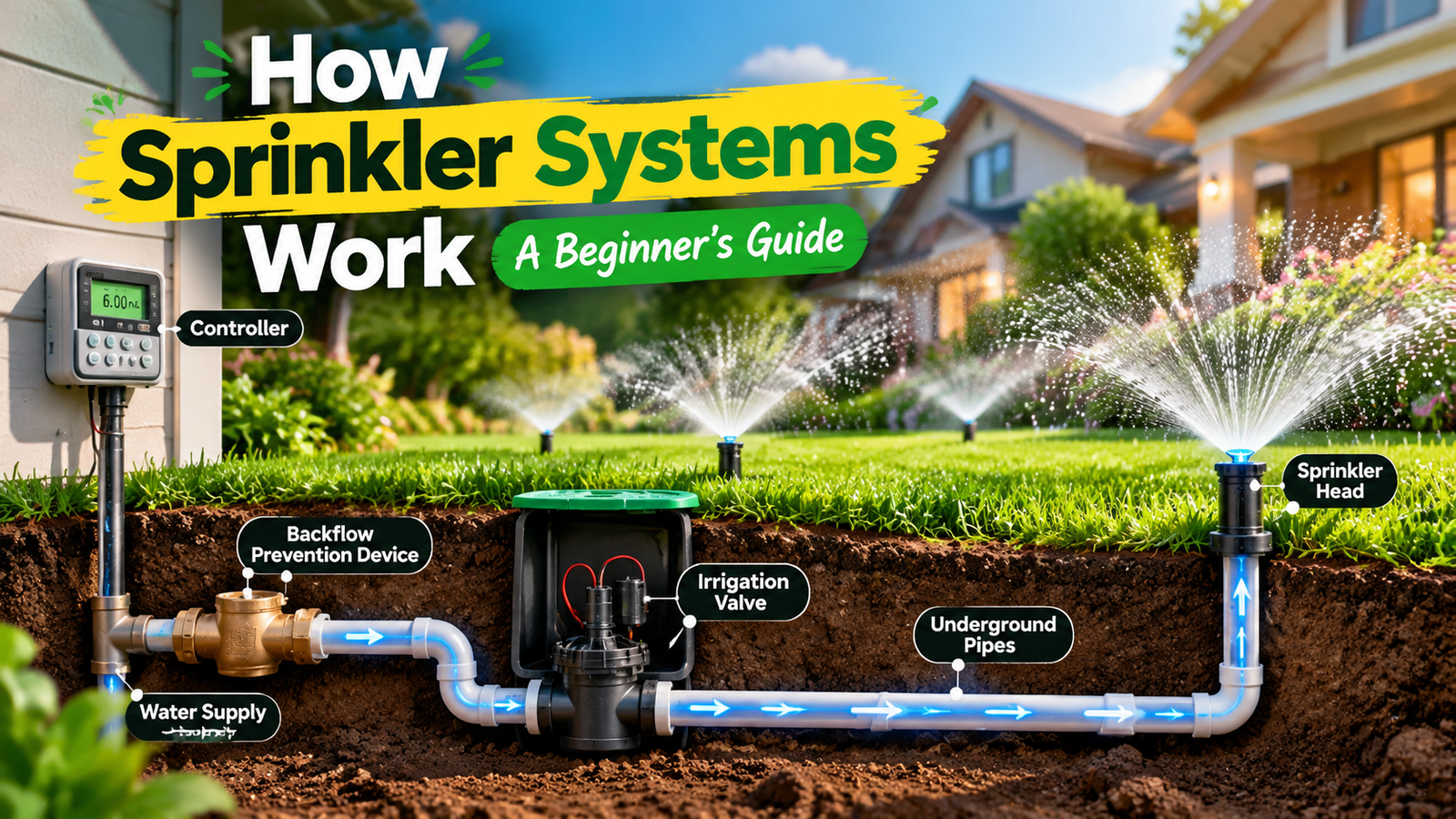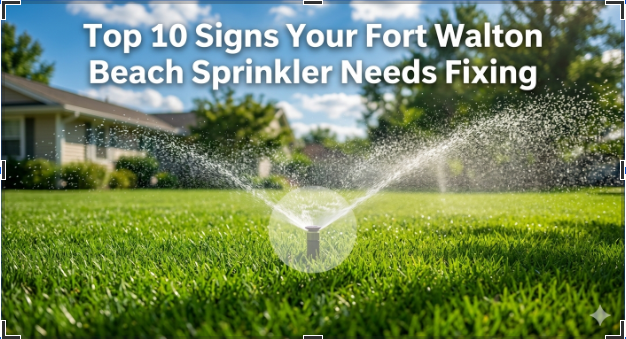
A lush, thriving lawn is the pride of any Fort Walton Beach home, but keeping it green requires a healthy sprinkler system. When your irrigation system isn’t working correctly, it can affect your lawn’s health, increase water usage, and lead to extensive damage if ignored. Understanding the common red flags can help you address problems before they escalate. By recognizing these signs early, you can seek timely sprinkler repair services and ensure your lawn maintenance efforts pay off, keeping your landscape beautiful all year round. If you suspect your sprinkler system has a problem, start by carefully inspecting each sprinkler head for damage or blockages. Next, check for uneven water coverage or pooling areas, which often indicate leaks or malfunctioning valves. Finally, test your controller settings and water pressure. If any issues are found, consult a professional for sprinkler repair services to resolve them step by step, ensuring your irrigation system is restored to optimal performance.
Knowing the warning signs of a faulty sprinkler system is crucial for effective lawn maintenance in Fort Walton Beach. From uneven water distribution to strange noises, these clues can help you identify problems before they cause serious damage to your landscape.
What are the most common signs that my sprinkler system in Fort Walton Beach needs repair? Paying attention to issues like puddles, dry spots, and malfunctioning sprinkler heads allows you to take action quickly. Prompt sprinkler repair services prevent water waste, lower your bills, and ensure every part of your lawn receives the hydration it needs to flourish. Let’s look at the top 10 indicators that your system needs a professional look.
Book expert sprinkler inspection here:
Get professional sprinkler repair service in Fort Walton Beach
Learn irrigation basics:
How irrigation systems work
Knowing the warning signs of a faulty sprinkler system is crucial for effective lawn maintenance in Fort Walton Beach. From uneven water distribution to strange noises, these clues can help you identify problems before they cause serious damage.
Diagnose sprinkler issues early:
Common sprinkler problem diagnosis guide
1. Dry Spots or Patchy Lawn Areas
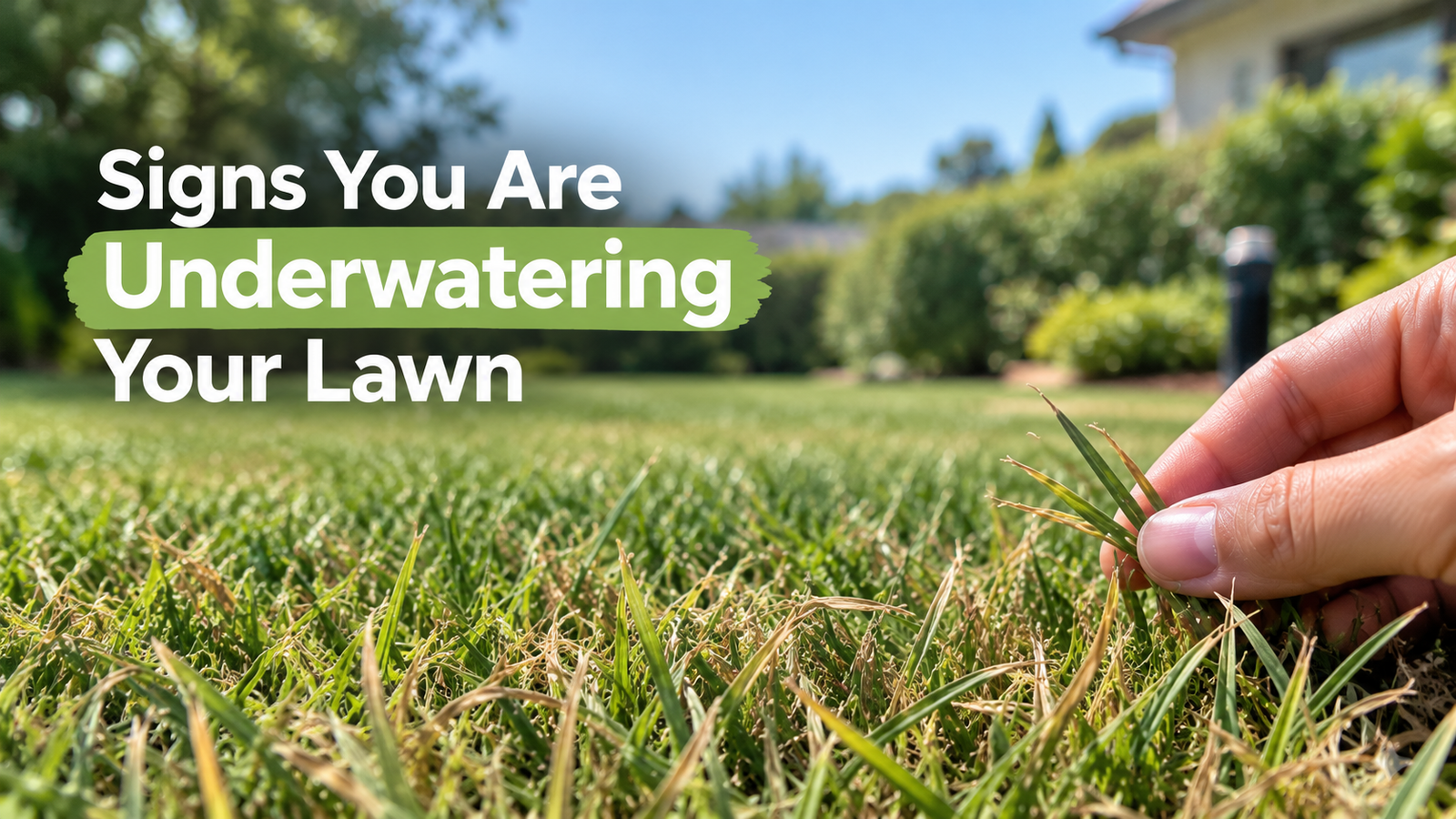
Have you noticed brown, dry patches scattered across your otherwise green lawn? These spots are often one of the first warning signs that your sprinkler system isn’t providing even coverage. When certain areas of your lawn don’t receive enough water, the grass can quickly become stressed and die, ruining the look of your yard and inviting weeds.
This issue is frequently caused by problems with water distribution, such as clogged or misaligned sprinkler heads. Over time, dirt and grass clippings can block nozzles, or foot traffic might knock a head out of position, preventing it from spraying correctly. Uneven watering can also result from low water pressure that fails to push water to the farthest reaches of an irrigation zone.
If the damage from dry spots is significant, you might need more than just a sprinkler fix. Professional landscaping services may recommend sod installation to restore the affected areas of your lawn. However, addressing the root cause with proper lawn care and sprinkler adjustments is the best way to prevent dry patches from reappearing.
Fix uneven watering issues now:
Diagnose sprinkler coverage problems
Improve watering schedule:
Optimize Florida lawn watering schedule
Dry patches usually mean poor water distribution or low pressure.
2. Water Pooling Around Sprinkler Heads
Finding puddles of water around your sprinkler heads long after the system has shut off is a telltale sign of a problem. This water pooling often indicates a leak, a broken sprinkler head, or a valve that isn’t sealing properly. The excess moisture can create soggy, muddy spots on your lawn, which can lead to root rot and other plant diseases.
These leaks are a significant source of water waste. A single leaking sprinkler head or a small underground pipe leak can waste thousands of gallons of water over a season, leading to a noticeable increase in your water usage and utility bills. The constant wetness can also erode the soil around the sprinkler head, causing it to sink or tilt.
Don’t ignore pooling water. It’s best to call for prompt irrigation services to diagnose the issue. A professional can determine if the problem is a simple broken head or a more complex issue like an underground pipe leak, preventing further damage and conserving water.
Stop water waste immediately:
Fix leaking sprinkler heads fast
Learn water pressure impact:
Low irrigation water pressure solutions
Pooling water often means broken heads or valve leaks.
Book sprinkler head repair service in Fort Walton Beach:
Fix broken sprinkler heads now
Stop water waste immediately:
Fix leaking sprinkler heads fast
👉 Learn water pressure impact:
Low irrigation water pressure solutions
Pooling water often means broken heads or valve leaks.
3. Unusually High Water Bills
Did your latest water bill give you a shock? An unexpected and significant increase in your water use, without any change in your household habits, often points to a problem with your irrigation system. This is a classic sign of a hidden leak that is silently wasting gallons of water each day.
Common culprits for a high water bill include underground pipe leaks, a constantly running valve, or a series of small, leaky sprinkler heads. Because these issues are often out of sight, they can go unnoticed for weeks or even months, all while driving up your expenses. Even a tiny crack in a pipe can lead to substantial water waste over time.
To avoid these costly surprises, regular maintenance is essential. A professional can perform a system audit to check for hidden leaks and ensure every component is functioning efficiently. By catching problems early, you can manage your water use effectively and keep your bills under control.
Find hidden irrigation leaks today:
Sprinkler system diagnosis service
Save water with smart irrigation:
Water saving sprinkler tips
4. Low or Uneven Water Pressure
If your sprinklers are sputtering, misting, or not reaching as far as they used to, you might be dealing with low water pressure. Signs of low or uneven pressure include sprinkler heads that don’t pop up all the way or spray patterns that look weak and inconsistent. This results in poor water coverage, leaving some parts of your lawn thirsty.
What are the most frequent sprinkler system problems specific to the Fort Walton Beach climate? Low water pressure is a common one, and its causes can vary. You could have a hidden pipe leak, a clogged filter, or a partially closed main valve. Sometimes, issues within the valve box, such as a malfunctioning zone valve, can restrict water flow to a specific area.
For both residential and commercial properties, restoring proper water pressure is key to a healthy landscape. You can start by checking that your main water supply valve is fully open. If that doesn’t solve it, consulting a professional to diagnose pressure problems is your best bet for getting your system’s water flow back to normal.
Fix sprinkler pressure problems now:
Repair low irrigation water pressure
Beginner irrigation guide:
Lawn watering education for beginners
5. Sprinkler Heads Not Popping Up or Retracting
A properly functioning sprinkler system relies on pop-up heads that rise to water your lawn and then retract neatly out of sight. When sprinkler heads get stuck, either up or down, it disrupts the entire system. A head that doesn’t pop up won’t water its designated area, leading to dry spots in parts of your lawn.
Heads that remain stuck in the “up” position are just as problematic. They create a tripping hazard and are highly susceptible to damage from lawnmowers and foot traffic. This issue is often caused by dirt, sand, or grass clippings getting lodged around the riser, preventing it from moving freely. The internal spring mechanism can also wear out over time.
You can try to clean around the base of the sprinkler head to remove any debris. If that doesn’t work, the head may be damaged and need replacement. For a persistent problem, calling for professional repair services ensures your sprinkler heads operate as they should, protecting your investment and your landscape.
Fix broken sprinkler heads today:
Top sprinkler repair warning signs
6. Sputtering, Misty, or Erratic Spray Patterns
When your sprinkler heads sputter or produce a fine mist instead of a steady spray, it’s a sign that something is wrong. Erratic spray patterns mean your lawn isn’t getting the right amount of water where it’s needed. This can lead to some areas being overwatered while others remain dry, compromising the overall health and appearance of your turf.
Several factors can cause these inconsistent sprays. It’s important to identify the root cause to ensure proper water coverage.
- Clogged Nozzles: Debris like dirt or small rocks can easily clog the nozzle, disrupting the water flow.
- High Water Pressure: Excessive pressure can cause water to atomize into a mist, which easily blows away and evaporates before reaching the grass.
- Damaged Heads: A cracked or worn-out sprinkler head can’t regulate the spray pattern correctly.
To correct these issues, you can start by cleaning the nozzles. If pressure is the problem, installing pressure-regulating heads can help. For more complex systems, including drip irrigation setups, a professional can adjust the system to ensure even and efficient water flow.
Correct spray pattern issues fast:
Sprinkler system troubleshooting guide
Diagnose system problems:
Common sprinkler diagnosis guide
7. Zones Not Activating or Shutting Off Properly
Is one of your irrigation zones staying dry while others work fine? Or perhaps a zone won’t shut off, leaving a section of your lawn flooded? These are common problems that point to issues with your system’s controls or valves. When irrigation zones malfunction, it disrupts your entire watering schedule and can cause significant damage.
The problem could be as simple as incorrect timer settings on your controller. However, it often indicates a more serious mechanical or electrical issue. Faulty valves are a frequent cause; a valve might be stuck open or closed due to debris or a worn-out diaphragm. Wiring problems between the controller and the valve can also prevent a zone from receiving the signal to activate.
How can I tell if my sprinkler system problems are caused by the controller or wiring? Troubleshooting the current system can be tricky. A professional can test the electrical signals from the controller and inspect the valves to pinpoint the exact cause. They can also check if your rain sensors are functioning correctly, as a faulty sensor could prevent the system from turning on.
Fix sprinkler zone not working:
Sprinkler zone activation repair guide
8. Leaky or Broken Sprinkler Heads
Leaky sprinkler heads are more than just a minor annoyance—they’re a major source of water waste. You might notice water bubbling up from the ground around a head when the system is off, or see a constant drip from the nozzle itself. Physically broken sprinkler heads, often damaged by lawnmowers or vehicles, are another obvious sign of trouble.
These leaks can cause your water bill to skyrocket and create oversaturated, swampy areas in your lawn that are prone to fungus and disease. A geyser-like spray from a completely broken head wastes a tremendous amount of water in a short time and fails to irrigate the surrounding area properly.
Do sprinkler repair companies in Fort Walton Beach offer emergency repair services? Yes, many do, because a major leak needs immediate attention. Seeking prompt sprinkler repair services is the best course of action. A professional can provide quality service by quickly replacing leaky or broken sprinkler heads, ensuring your system runs efficiently and your lawn stays healthy.
Schedule emergency sprinkler repair:
Fort Walton Beach sprinkler repair service
Repair system quickly:
Summit irrigation service
9. Inconsistent Coverage Across Lawn Zones
Does your lawn look like a patchwork quilt of green and brown? Inconsistent water coverage across different zones is a frustrating problem that can ruin the uniform appearance of your landscape. You might see one area of your lawn thriving while another, just a few feet away, is struggling to stay green. This indicates poor water distribution.
This inconsistency can stem from several issues within your irrigation system. Here are a few potential causes:
- Mixed Sprinkler Types: Using different types of sprinkler heads in the same zone can cause uneven watering rates.
- Poor System Design: The original layout may not have been optimized for your property’s specific needs, creating gaps in coverage.
- Controller Issues: Outdated or malfunctioning smart controllers might not be sending the right instructions to each zone.
Regular maintenance can help identify and correct these problems. A professional can audit your system, adjust or replace heads, and even recommend upgrades to smart controllers that fine-tune water distribution. This ensures all areas of your lawn receive the precise amount of water needed to flourish.
Fix uneven lawn watering today:
Sprinkler system repair Okaloosa
👉 Improve irrigation design:
Irrigation pump installation service
10. Controller or Timer Malfunctions
The controller is the brain of your sprinkler system, and when it malfunctions, your entire watering schedule can be thrown into chaos. Symptoms of controller malfunctions include watering at the wrong times, skipping zones, or the system not turning on at all. You might also see an error message on the display or find that the controller is completely unresponsive.
These problems can be caused by a variety of factors. Simple issues like a dead backup battery or incorrect timer settings can often be fixed easily. However, more serious problems like electrical issues, faulty wiring, or internal component failure require professional attention. Power surges from storms can also damage a controller beyond repair.
If you suspect your controller is failing, especially if it’s an older model, calling a professional is the safest option. They can diagnose whether it’s an electrical problem or if the unit needs to be replaced. Upgrading to one of the latest smart controllers can also provide better efficiency and control over your watering schedule.
Upgrade your sprinkler controller system:
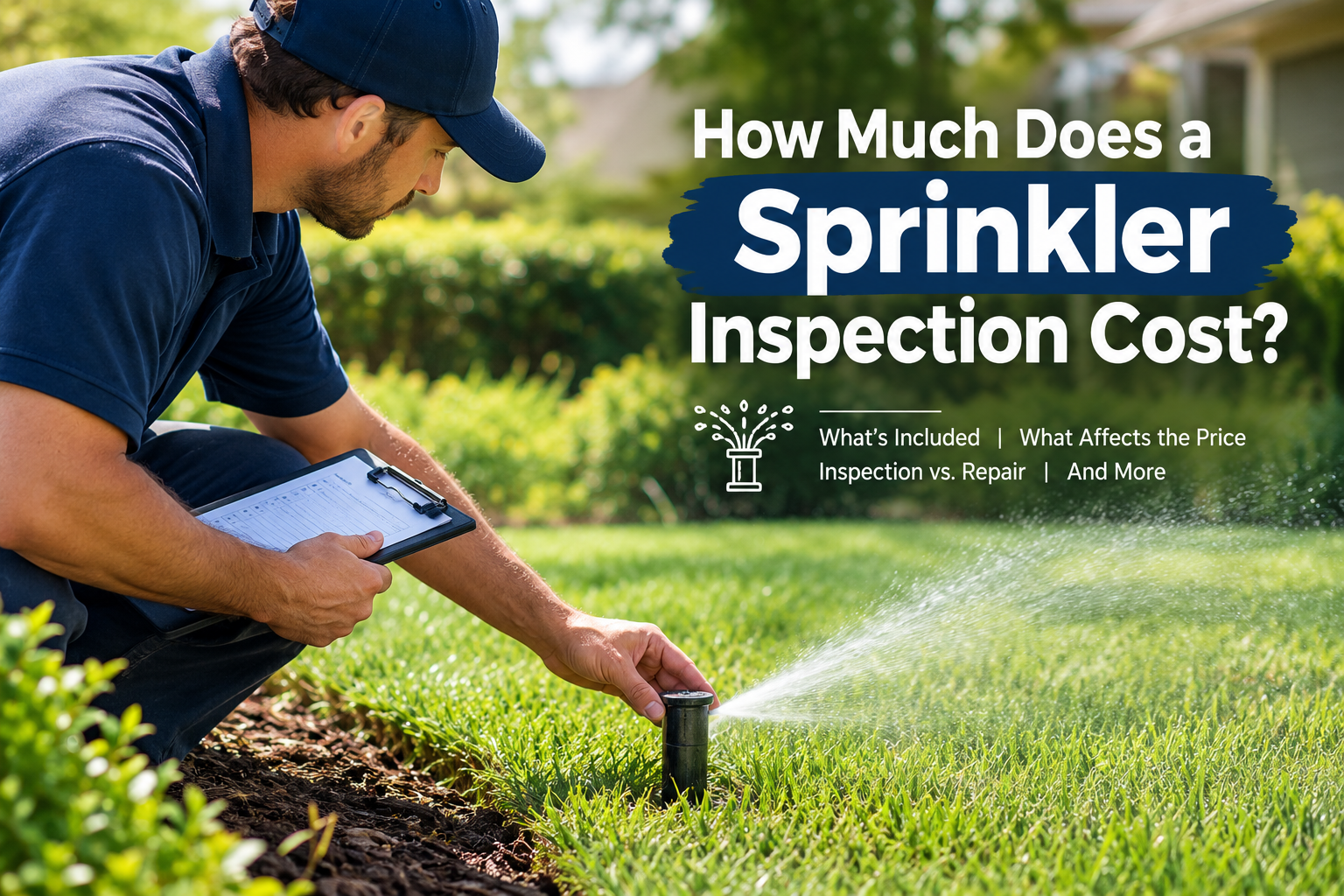
Book irrigation inspection service
Fix scheduling issues:
Florida irrigation schedule guide
Conclusion
In summary, recognizing the signs that your Fort Walton Beach sprinkler system needs fixing is essential for maintaining a healthy and lush lawn. From dry patches to high water bills, each indicator can help you identify underlying issues that may require immediate attention. Regular monitoring and timely repairs not only enhance the efficiency of your irrigation system but also save you money in the long run. If you’re experiencing any of the signs mentioned, don’t hesitate to reach out for professional assistance. For personalized guidance, get in touch with our team today!
Get full sprinkler inspection today:
Summit Outdoor Irrigation service
Fix pressure issues:
Low water pressure irrigation fix
Learn irrigation basics:
Irrigation Wikipedia
Frequently Asked Questions
How much does sprinkler system repair typically cost in Fort Walton Beach?
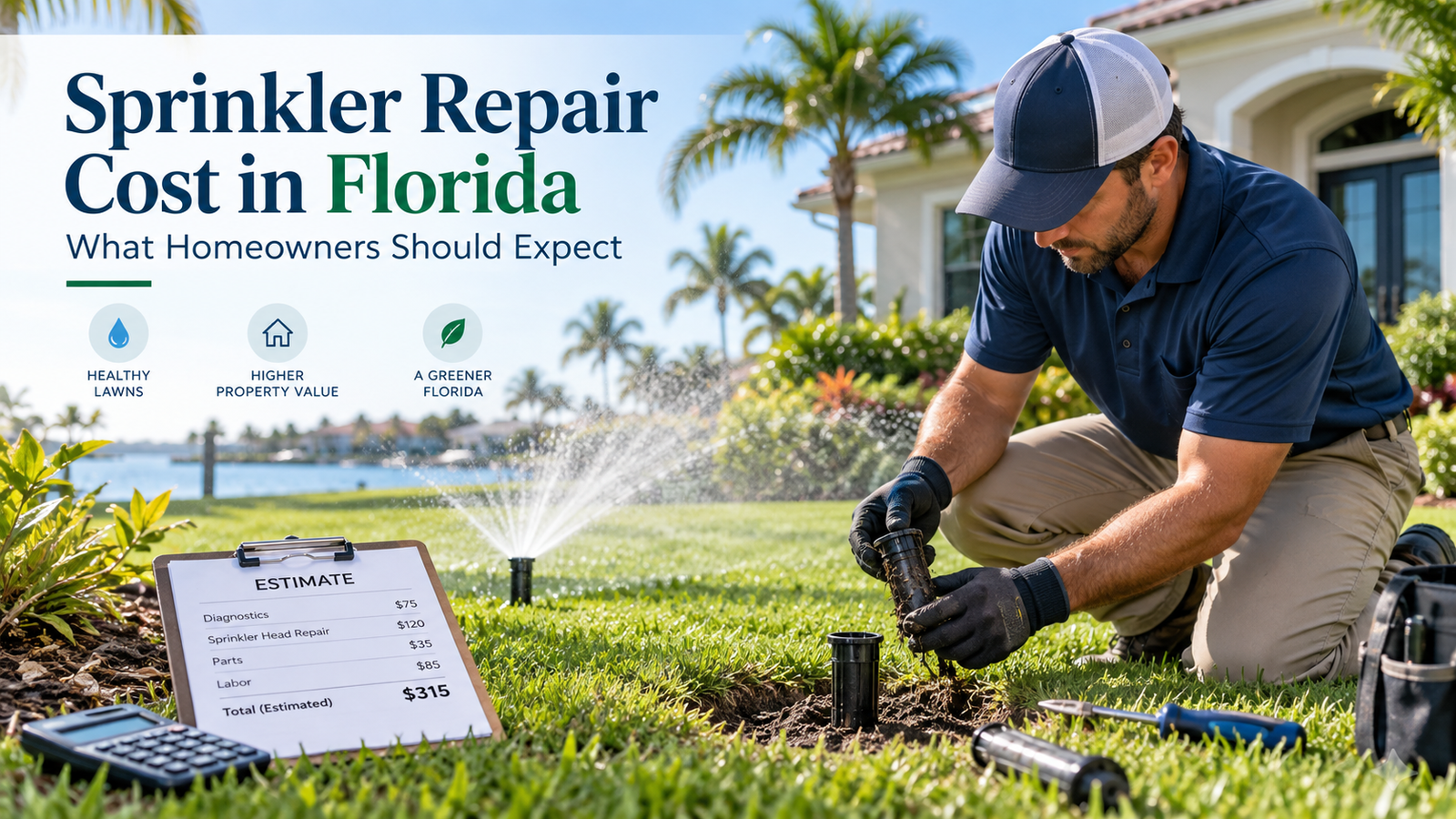
Sprinkler repair costs in Fort Walton Beach vary depending on the issue. A simple head replacement might be inexpensive, while fixing underground leaks or controller issues will cost more. Many companies with years of experience in the Florida Panhandle offer free estimates, helping you understand the potential costs and ensuring you receive quality service.
What should I look for when hiring a sprinkler repair company in Fort Walton Beach?
When hiring a sprinkler repair company, look for one with years of experience, positive reviews, and proper licensing and insurance. A professional service that offers a wide range of solutions, from simple repairs to complete landscape design, is often a sign of quality service. Choose a company committed to customer satisfaction.
Are there maintenance tips to prevent sprinkler system issues in Fort Walton Beach?
Yes, regular maintenance is key. At least twice a year, clean your sprinkler heads, check for leaks, and adjust your watering schedule. Upgrading to smart controllers can also help optimize water use. Scheduling professional irrigation services for seasonal check-ups will help catch potential problems early and keep your system running smoothly.