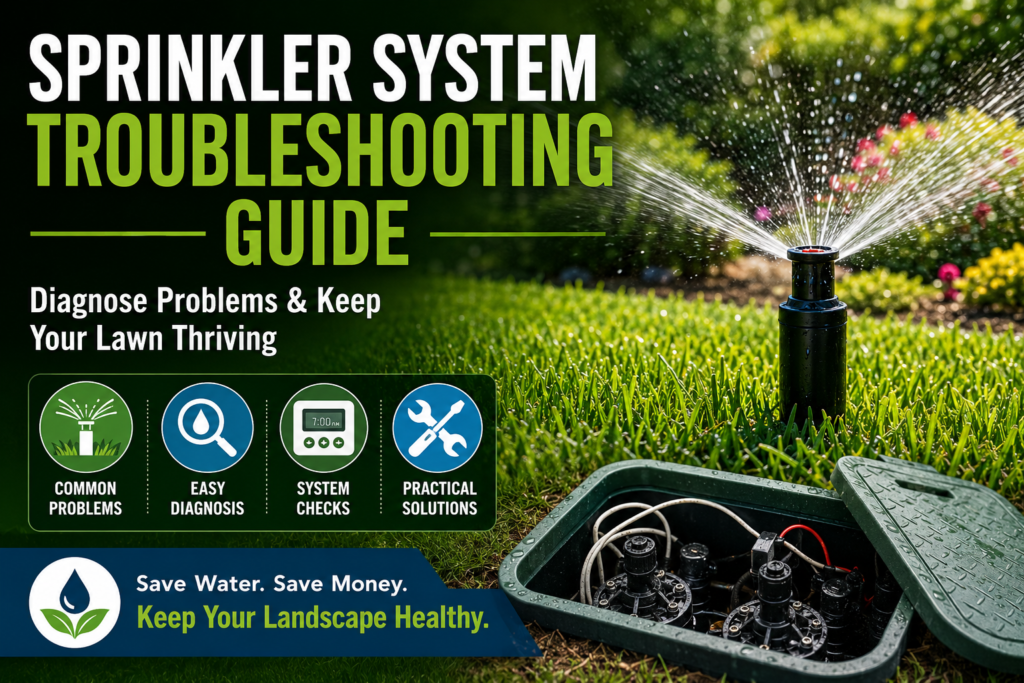
Understanding common sprinkler problems helps homeowners identify irrigation issues before they lead to water waste or lawn damage. By recognizing early warning signs, you can determine whether a simple adjustment or professional sprinkler repair is necessary.
Understanding common sprinkler problems and how to diagnose them can help you identify potential issues before they become expensive repairs. Some problems, such as clogged sprinkler nozzles or incorrectly adjusted heads, may be simple to resolve. Others, including underground pipe leaks, faulty irrigation valves, electrical failures, and persistent pressure problems, may require professional attention.
Florida homeowners face additional irrigation challenges because of sandy soil, high temperatures, seasonal rainfall, and frequent storms. These conditions can affect sprinkler performance and increase the importance of regular system inspections.
In this guide, we will explain the most common sprinkler system problems, how to identify their causes, which troubleshooting steps you can safely perform yourself, and when professional assistance may be necessary.
If your system is already experiencing problems, Summit Outdoors Irrigation provides irrigation troubleshooting and repair services throughout Okaloosa County, Florida.
Understanding Common Sprinkler System Problems
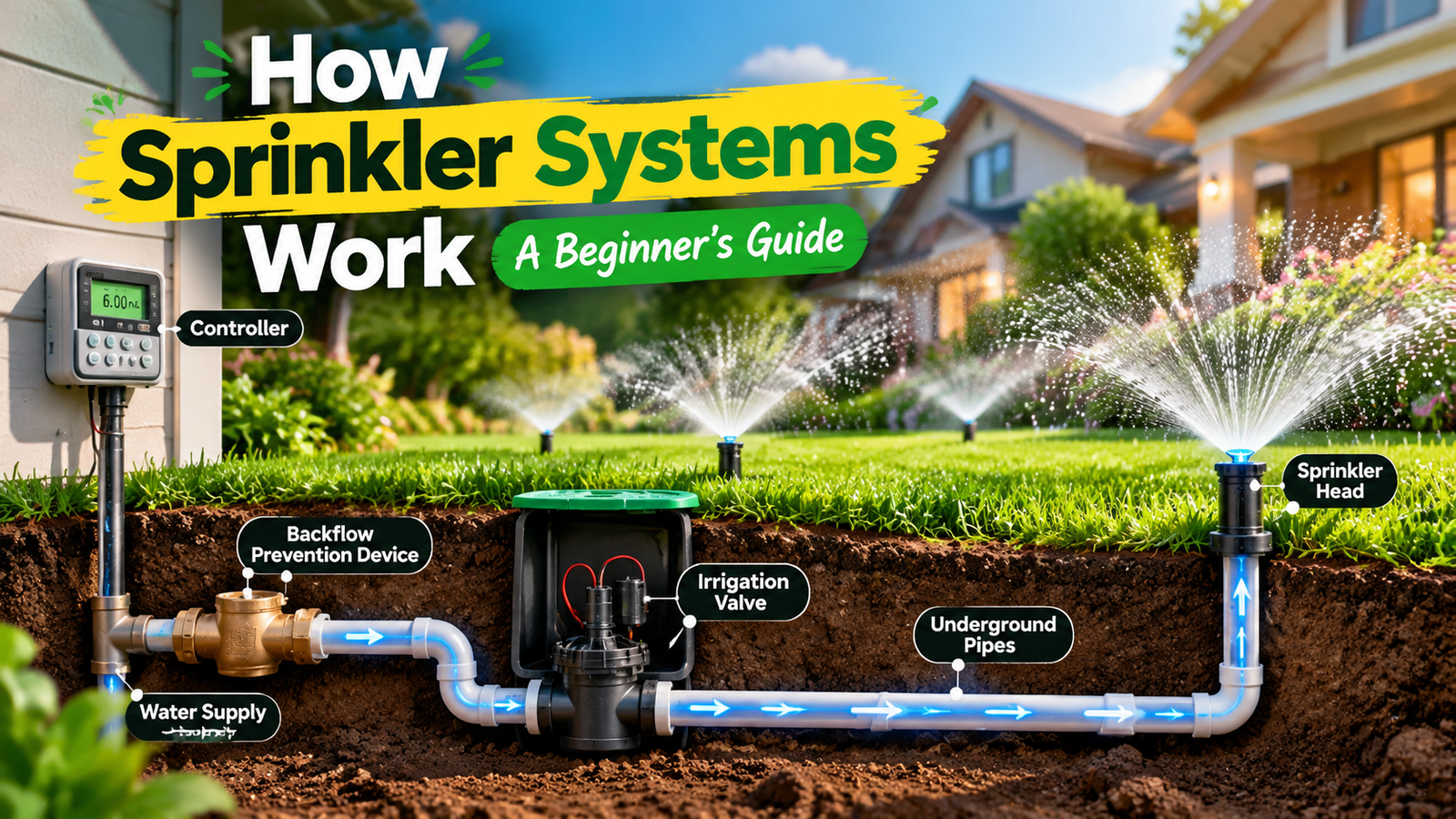
A sprinkler system consists of several connected components, including a water supply, irrigation pipes, valves, sprinkler heads, and a controller. Depending on the system, it may also include a pump, pressure regulator, backflow preventer, and rain sensor.
Each component has a specific purpose. The controller determines when watering occurs, the valves direct water into individual zones, and the sprinkler heads distribute water across the landscape.
When one component fails, the problem may affect a single sprinkler head, an entire irrigation zone, or the complete system.
For example, a clogged nozzle may cause one section of the lawn to become dry, while a faulty valve can prevent every sprinkler in a particular zone from operating. A problem with the main water supply or controller may affect the entire irrigation system.
Recognizing these differences is an important part of accurate sprinkler diagnosis.
Signs Your Sprinkler System Needs Repair
Sprinkler problems are not always immediately obvious. Some failures produce visible water leaks, while others gradually affect lawn health or increase water consumption.
Watch for the following warning signs:
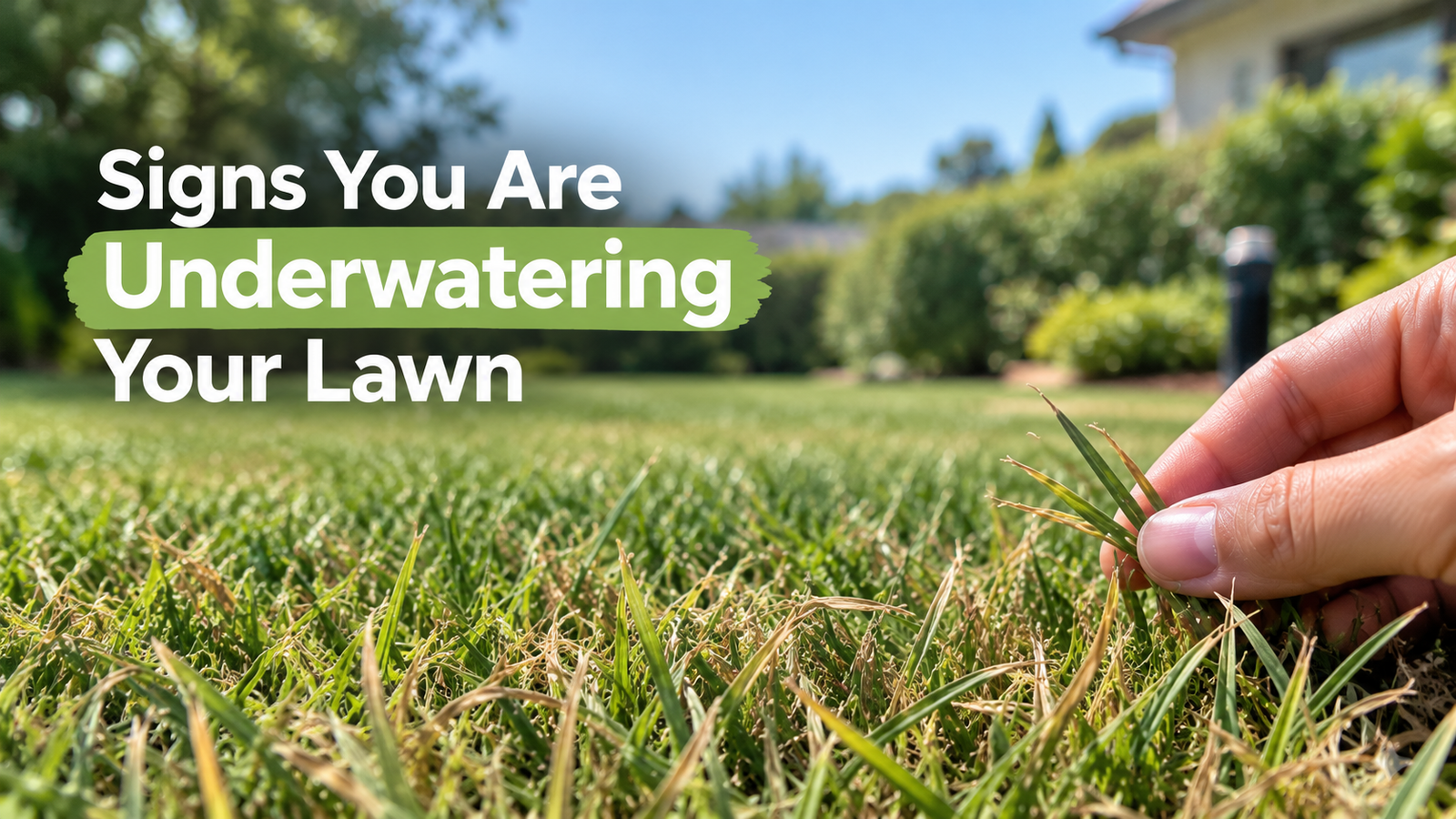
- Dry or brown patches: Certain areas of your lawn may not receive enough water because of clogged nozzles, damaged heads, poor spray coverage, or low pressure.
- Soggy soil: Persistent wet areas can indicate leaking underground pipes, faulty valves, or excessive watering.
- Sprinkler heads that fail to rise: Pop-up heads may become stuck because of dirt, damaged internal components, or inadequate water pressure.
- Weak or uneven spray: Low pressure, blocked nozzles, or damaged sprinkler components can prevent water from reaching the intended areas.
- Water pooling around sprinkler heads: Broken connections, damaged seals, or underground leaks may allow water to collect around a sprinkler.
- Unusually high water bills: A hidden leak, inefficient watering schedule, or malfunctioning valve can increase water consumption.
- Sprinklers operating at unexpected times: Incorrect controller settings, electrical problems, or valve issues may cause unexpected watering.
- Sprinklers that continue running after a cycle ends: A valve that fails to close properly or a controller problem may allow water to continue flowing.
If you notice one or more of these symptoms, investigate the system before the problem affects a larger area of your landscape.
For homeowners who need assistance, sprinkler system repair in Okaloosa County, FL can help address issues involving damaged sprinkler heads, leaking pipes, faulty valves, controllers, and inconsistent water pressure.
1. Broken or Damaged Sprinkler Heads
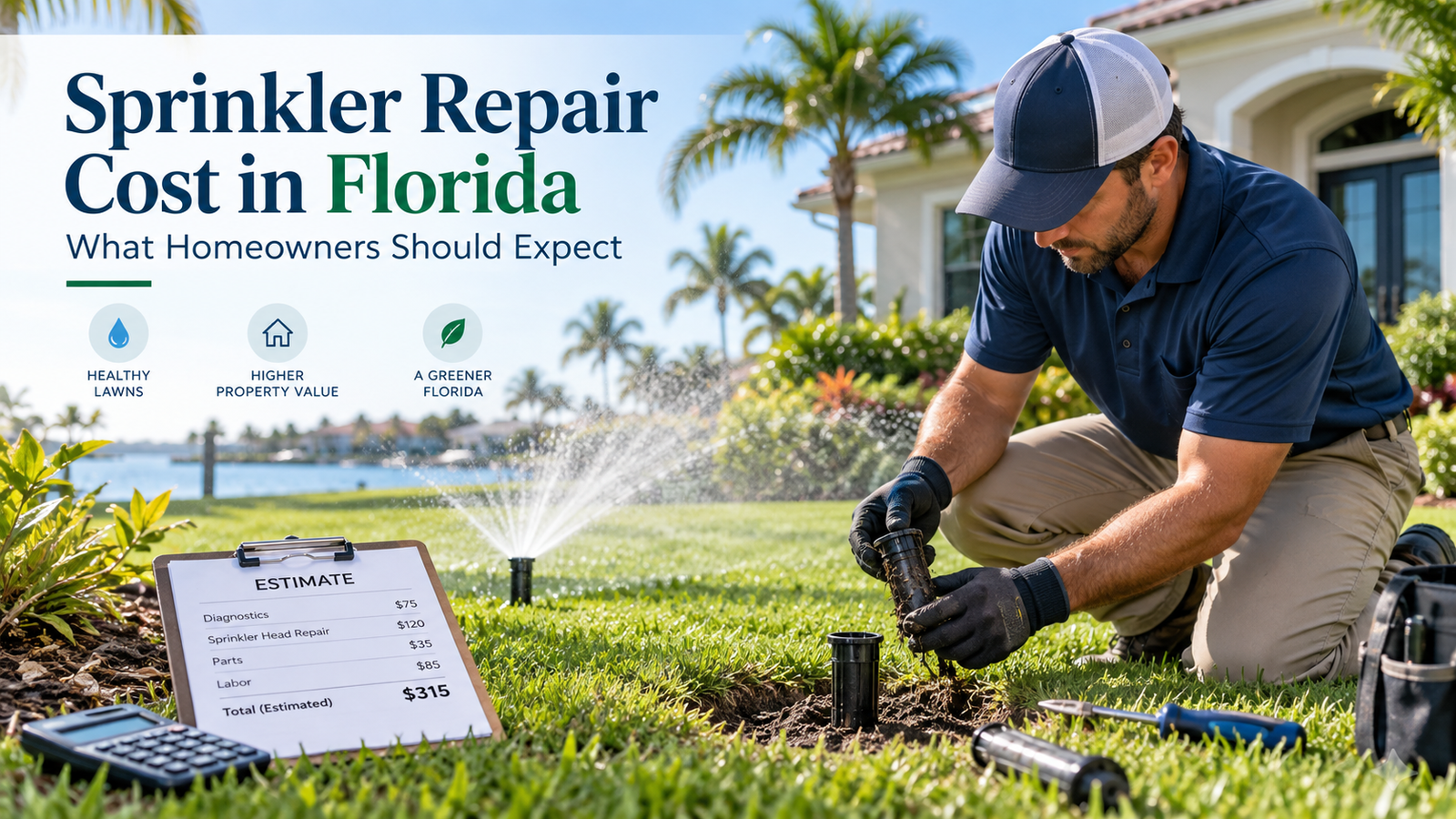
Among the most common sprinkler problems are broken or damaged sprinkler heads. Regular inspections can help identify cracks, clogged nozzles, and misaligned heads before they affect the entire lawn.
A damaged head may spray water in the wrong direction, leak around its base, produce an irregular spray pattern, or fail to operate altogether.
Common Causes of Sprinkler Head Damage
Several factors can damage sprinkler heads over time.
Physical impact: Lawn equipment and vehicles can crack sprinkler housings or break exposed components.
Normal wear: Internal seals and moving parts can deteriorate after repeated watering cycles.
Dirt and debris: Soil, grass clippings, and small particles may obstruct the nozzle or interfere with pop-up movement.
Incorrect installation: A head installed at the wrong height or angle may be more vulnerable to damage.
Ground movement: Changes in soil conditions can cause sprinkler heads to tilt, sink, or become misaligned.
How to Diagnose a Broken Sprinkler Head
Start by running the affected irrigation zone while observing each sprinkler head.
Look for visible cracks, water escaping from unexpected locations, irregular spray patterns, or heads that remain below ground.
Check whether the surrounding soil is unusually wet. If water continues collecting around the head, the problem may involve a damaged connection or an underground leak rather than the sprinkler head alone.
If the head is visibly clogged, turn off the system and follow the manufacturer’s cleaning instructions. Remove accessible debris without damaging the nozzle.
How to Fix a Damaged Sprinkler Head
Some problems can be resolved by cleaning the nozzle or adjusting the spray direction. However, a cracked housing or damaged internal mechanism usually requires replacement.
When replacing a sprinkler head, choose a compatible model with the appropriate spray pattern, operating pressure, and flow rate. An incompatible replacement may create uneven coverage or affect the performance of other heads in the zone.
Before completing the repair, run the zone again to confirm that the new head operates correctly and distributes water where needed.
If several heads are damaged or the problem involves underground connections, consider professional sprinkler repair services to identify the cause and restore reliable operation.
2. Low Water Pressure in a Sprinkler System
Common sprinkler problems such as low water pressure can prevent water from reaching every part of your lawn. Checking for leaks, blocked nozzles, and partially closed valves can help identify the underlying cause.
When pressure drops below the operating requirements of your sprinkler heads, water may not reach the edges of the lawn. Some heads may rise only partially, while others produce a narrow stream instead of their normal spray pattern.
Low pressure can affect one sprinkler, a single zone, or the entire irrigation system.
Common Causes of Low Sprinkler Pressure
Several issues can reduce water pressure.
Partially closed valves: A main shutoff valve or backflow preventer valve that is not fully open can restrict water flow.
Underground leaks: Cracked pipes and damaged fittings allow water to escape before it reaches the sprinkler heads.
Clogged filters or nozzles: Debris can restrict water movement and reduce the effectiveness of individual sprinklers.
Insufficient water supply: The available water supply may not provide enough flow for the number of sprinkler heads operating simultaneously.
Faulty pressure regulators: A malfunctioning regulator may prevent the system from receiving the pressure it requires.
Pump problems: Systems that rely on irrigation pumps may experience reduced performance when a pump or related component is malfunctioning.
How to Diagnose Low Water Pressure
First, determine whether the problem affects one sprinkler head, one irrigation zone, or the entire system.
If only one head produces a weak spray, inspect it for clogs, damage, or incorrect adjustment.
If several heads in the same zone have weak coverage, investigate possible valve problems, restrictions, or leaks affecting that zone.
If every zone experiences low pressure, check the main water supply and accessible shutoff valves. Look for unusual wet spots, water collecting around sprinkler heads, or other signs of a leak.
Do not assume that every pressure problem requires a larger pump or a complete system replacement. The correct solution depends on the underlying cause.
For more information about diagnosing this issue, read our guide to low water pressure in an irrigation system.
How to Restore Proper Water Pressure
Start with simple checks, such as confirming that accessible valves are fully open and cleaning clogged sprinkler nozzles.
If you suspect an underground leak, a damaged valve, or a pump-related problem, professional diagnosis may be necessary.
Avoid adjusting pressure regulators or modifying pump settings without understanding the system’s operating requirements. Excessive pressure can damage sprinkler components, while insufficient pressure can prevent proper coverage.
3. High Water Pressure and Sprinkler Misting
Although low pressure causes watering problems, high pressure can also reduce irrigation efficiency.
When water moves through sprinkler nozzles at excessive pressure, it may break into very fine droplets. This creates a mist or fog that can drift away before reaching the ground.
As a result, less water reaches the intended area, even when the sprinklers appear to be operating normally.
High pressure can also increase wear on sprinkler heads, valves, and pipe connections.
Signs of Excessive Water Pressure
Watch for these symptoms:
- Fine mist escaping from sprinkler nozzles.
- Water drifting onto sidewalks, driveways, or neighboring properties.
- Sprinkler heads producing unusually forceful sprays.
- Water distribution that becomes uneven during operation.
- Components experiencing repeated leaks or premature wear.
Wind can also cause water to drift, so misting alone does not always prove that pressure is too high.
How to Diagnose High Pressure
Observe the sprinkler system during normal operation.
Compare the spray pattern with the manufacturer’s recommendations. If possible, use a suitable pressure gauge at an appropriate test point to measure operating pressure.
Check whether the system has a pressure regulator and whether it is functioning correctly.
If the measured pressure exceeds the equipment manufacturer’s recommended range, the regulator or water supply may require further investigation.
How to Correct High Pressure
Depending on the cause, the solution may involve adjusting or replacing a suitable pressure regulator, correcting a control problem, or selecting sprinkler components designed for the available pressure.
Do not reduce pressure without measuring it and understanding the system requirements. Excessive adjustment can create a different problem by reducing water delivery below the level required for proper coverage.
A professional inspection can help identify the appropriate solution when high pressure affects multiple zones.
4. Clogged Sprinkler Nozzles
Sprinkler nozzles contain small openings that control the direction and distribution of water. Dirt, sand, mineral deposits, and other debris can obstruct these openings.
A clogged nozzle may produce a weak stream, uneven spray, or incomplete coverage.
This problem can be particularly noticeable in areas where the soil contains sand or where irrigation water carries sediment.
Common Symptoms of Clogged Nozzles
Look for sprinkler heads that produce irregular streams, fail to rotate properly, or leave dry patches in otherwise healthy grass.
You may also notice that a sprinkler covers a smaller area than neighboring heads.
If several heads become clogged around the same time, the issue could involve debris entering the irrigation system rather than separate failures at each sprinkler.
How to Clean a Sprinkler Nozzle
Follow these steps to inspect a potentially clogged nozzle:
- Turn off the irrigation system.
- Carefully inspect the sprinkler head for visible dirt or debris.
- Clean accessible components according to the manufacturer’s instructions.
- Use a soft brush to remove surface debris.
- Avoid enlarging nozzle openings with needles, wire, or other sharp objects.
- Reassemble the component correctly.
- Run the irrigation zone and check the spray pattern.
If the nozzle remains blocked or is visibly damaged, replacement may be necessary.
Repeated clogging may indicate a broader filtration or water-quality problem. In that situation, cleaning individual heads may provide only temporary relief.
5. Leaking Sprinkler Valves and Underground Pipes
Leaks are among the most important sprinkler problems to identify early because they can waste water and reduce system performance.
Some leaks are visible above ground, while others develop beneath the soil and remain unnoticed until the lawn begins to change.
A leaking irrigation valve may allow water to continue flowing into a zone even when the system is switched off. Damaged underground pipes may release water into the soil, creating wet areas or reducing pressure at nearby sprinkler heads.
Signs of an Irrigation Leak
Common warning signs include:
- Persistent puddles around sprinkler heads or valve boxes.
- Wet soil when the irrigation system has not recently operated.
- Areas of grass that grow faster than surrounding grass.
- Unexplained increases in water consumption.
- Reduced sprinkler pressure.
- Water flowing from low sprinkler heads after a cycle ends.
- Erosion or unusually soft ground along underground pipe routes.
Not every wet area indicates a broken pipe. Poor drainage, heavy rainfall, and excessive watering can produce similar symptoms.
However, a wet patch that repeatedly appears in the same location deserves further investigation.
How to Diagnose a Leaking Sprinkler Valve
Inspect the valve box for standing water, damaged wiring, loose connections, or visible cracks.
If water continues entering a zone when it should be off, the valve may not be closing completely.
Possible causes include debris trapped inside the valve, damaged internal components, or a failed diaphragm.
Before opening a valve, turn off the water supply and follow the manufacturer’s instructions. Irrigation systems can remain pressurized even when the controller is switched off.
Electrical valve components should also be handled carefully.
Diagnosing Underground Pipe Leaks
Underground leaks are more difficult to identify because the damaged pipe may be hidden beneath grass, landscaping, or hard surfaces.
Start by checking for persistent wet spots and comparing the affected area with the irrigation system’s operating schedule.
If a particular zone consistently creates wet soil or loses pressure, the problem may involve a damaged pipe, fitting, or connection.
Professional leak detection can help narrow down the location before excavation begins.
Prompt repairs can reduce water waste, protect the surrounding landscape, and help prevent further damage.
Homeowners experiencing these problems can explore irrigation repair services in Okaloosa County for assistance with leaking valves, damaged pipes, and irrigation system troubleshooting.
6. Sprinkler Zones That Will Not Turn On
Most irrigation systems divide the landscape into separate zones. Each zone operates independently so that different areas can receive the appropriate amount of water.
When one zone stops working, the problem may involve its valve, solenoid, wiring, controller settings, or water supply.
If the other zones operate normally, the cause is more likely to be associated with the affected zone than with the entire system.
Common Reasons a Sprinkler Zone Fails
Faulty solenoid: The solenoid receives an electrical signal from the controller and helps operate the valve. A failed solenoid may prevent the valve from opening.
Damaged wiring: A broken or corroded connection can interrupt the electrical signal.
Valve malfunction: A stuck valve or damaged internal component may prevent water from entering the zone.
Controller programming errors: The zone may be disabled, incorrectly scheduled, or assigned to the wrong program.
Water supply restrictions: A closed valve or blocked pipe can prevent adequate water delivery.
How to Troubleshoot a Nonworking Zone
Begin by checking the irrigation controller.
Confirm that the affected zone is enabled and that the watering schedule is correct. If the controller provides a manual test function, use it to determine whether the zone responds.
Next, inspect the corresponding valve box for visible damage or loose connections.
If you are comfortable with basic troubleshooting, consult the controller and valve manufacturer’s instructions to check whether the solenoid is receiving the correct signal.
Do not handle exposed wiring while the equipment is energized.
If the zone still does not operate, the valve or wiring may require professional testing.
Avoid replacing the solenoid before confirming the problem. A damaged wire or faulty controller output can create similar symptoms.
7. Sprinkler Heads That Will Not Pop Up
Pop-up sprinkler heads rise above the ground when the system activates and retract when watering ends.
When a head fails to rise, it may remain hidden beneath the grass, produce little water, or distribute water unevenly.
This problem can occur even when the rest of the irrigation system appears to function normally.
Why Sprinkler Heads Get Stuck
Common causes include:
- Dirt or grass obstructing the head.
- Damaged internal springs or seals.
- Physical damage to the sprinkler housing.
- Excessive soil or mulch around the head.
- Low water pressure.
- A leaking connection or restricted water supply.
Sometimes the head rises partially but cannot extend fully because debris interferes with its movement.
How to Fix a Stuck Sprinkler Head
Turn off the system and inspect the area around the sprinkler.
Remove grass, soil, or mulch that obstructs the head. If the manufacturer permits it, gently clean accessible parts and check whether the riser moves freely.
Do not force the head upward or pull on it aggressively, as this can damage internal components.
After cleaning, run the zone to check whether the head rises and retracts normally.
If the sprinkler remains stuck, has a damaged housing, or receives insufficient water pressure, additional diagnosis may be required.
When several heads fail to pop up together, investigate the zone’s water supply rather than assuming every head is broken.
8. Sprinklers That Do Not Rotate or Cover the Lawn Evenly
Rotating sprinkler heads are designed to distribute water across a defined area. When a rotating head stops moving, the water may remain concentrated in one section of the lawn.
This can create saturated soil near the sprinkler while leaving the surrounding grass dry.
Common Causes of Uneven Coverage
Uneven watering may result from a blocked nozzle, damaged rotation mechanism, incorrect adjustment, low pressure, or an unsuitable sprinkler layout.
Wind can also affect the distribution of water, especially when the system produces fine droplets.
In some cases, the sprinkler heads work correctly but are spaced too far apart to provide adequate coverage.
How to Diagnose Uneven Watering
Run the affected zone and observe the spray pattern.
Check whether rotating heads complete their normal movement and whether fixed spray heads cover their intended areas.
Look for obstacles such as overgrown shrubs, fences, garden furniture, or newly installed landscaping.
Check whether the heads are tilted or pointing toward hard surfaces instead of the lawn.
If the equipment is working properly but dry patches remain, the system may need adjustments to head direction, nozzle selection, or coverage.
Correcting the underlying problem is more effective than simply increasing watering time, which may waste water in areas already receiving enough moisture.
9. Irrigation Controller and Timer Problems
The irrigation controller determines when each zone operates and how long watering continues.
When the controller malfunctions, the sprinkler system may fail to start, operate at unexpected times, or run longer than necessary.
Sometimes the equipment itself is functioning correctly, but its programming needs attention.
Common Controller Problems
Controller-related issues include:
- The display is blank.
- The programmed schedule disappears.
- Certain zones fail to activate.
- Watering starts at the wrong time.
- The system continues running unexpectedly.
- A rain sensor or other connected device prevents watering.
How to Diagnose Controller Problems
First, confirm that the controller receives power.
Check the outlet, power supply, and circuit breaker where appropriate. If the controller has a display, review any error messages.
Next, inspect the watering schedule. Confirm that the correct days, start times, zone durations, and seasonal settings have been selected.
If a rain sensor is installed, check whether it has temporarily suspended watering.
Do not immediately replace the controller simply because one zone fails. The problem may involve wiring, a solenoid, or a valve.
If the controller loses power repeatedly or shows persistent electrical errors, a qualified technician can help determine whether the controller, power supply, or wiring needs repair.
10. Irrigation Pump Problems
Some irrigation systems rely on a pump to draw water from an approved source and deliver it at the required pressure.
A pump-related problem may cause weak sprinkler performance, inconsistent water flow, unusual operating noises, or a system that fails to deliver water.
However, not every irrigation system uses a pump, so it is important to understand how your system receives water before troubleshooting this component.
Common Causes of Pump Problems
Potential causes include:
- Electrical supply problems.
- A blocked intake or filter.
- Air entering the suction line.
- Insufficient water at the source.
- Worn pump components.
- Leaking connections.
- A failed pressure switch or other control component.
Some symptoms can also be caused by downstream irrigation leaks or faulty valves.
How to Diagnose an Irrigation Pump Issue
Start by checking whether the water source is available and whether the pump receives power.
Look for visible leaks around accessible connections and inspect any filters according to the manufacturer’s instructions.
Pay attention to changes in pump noise, cycling frequency, and sprinkler pressure.
Do not run a pump dry or repeatedly reset an electrical breaker that trips. These actions can damage equipment or create safety hazards.
Pump troubleshooting can involve pressurized water and electrical components, so professional diagnosis is recommended when the cause is unclear.
If a pump problem is suspected, learn more about irrigation pump services in Okaloosa, FL. The appropriate solution will depend on the system and the cause of the failure.
11. Water Pressure Problems: Understanding the Difference
Water pressure and water flow are related, but they are not identical.
Pressure describes the force exerted by water, while flow describes the amount of water moving through the system over time.
A sprinkler system can experience inadequate flow because of a restriction even when pressure appears acceptable at another point. Similarly, excessive pressure does not necessarily mean that every sprinkler receives the correct amount of water.
Understanding this distinction can make troubleshooting more effective.
Common Causes of Inconsistent Water Flow
Inconsistent flow may be caused by clogged filters, partially closed valves, damaged pipes, leaking connections, or limitations in the water supply.
If the problem occurs only when several zones or other water-using fixtures operate simultaneously, the available supply may be insufficient for the combined demand.
A professional may use pressure and flow measurements to determine whether the issue originates in the supply, piping, valves, pump, or sprinkler components.
For a basic explanation of the underlying concept, see water pressure.
Steps to Restore Consistent Water Distribution
Follow these general troubleshooting steps:
- Identify whether the problem affects one head, one zone, or the entire system.
- Check accessible shutoff valves.
- Inspect sprinkler heads for visible damage or obstructions.
- Look for signs of underground leaks.
- Review the controller’s operating schedule.
- Check whether the system’s pressure and flow meet the equipment requirements.
- Arrange professional testing if the cause remains unclear.
This approach helps prevent unnecessary component replacements and focuses attention on the source of the problem.
12. Electrical Problems and Sprinkler Wiring Failures
Automatic sprinkler systems use electrical signals to operate their valves and controllers.
When wiring becomes damaged or connections deteriorate, a zone may stop working even though the water supply and sprinkler heads remain in good condition.
Electrical issues can be particularly confusing because their symptoms often resemble mechanical failures.
Signs of Electrical Irrigation Problems
You may notice that one zone will not activate, several zones behave unpredictably, or the controller displays an error.
A damaged connection may also cause intermittent operation, meaning the system works on some occasions but fails on others.
Outdoor wiring can be affected by moisture, landscaping work, corrosion, and accidental damage.
How to Approach Electrical Troubleshooting
Begin with the controller display and the manufacturer’s troubleshooting instructions.
Check whether the system has power and whether the correct zones are programmed.
Inspect only accessible connections that can be examined safely with the power disconnected.
Do not handle live wiring or attempt electrical repairs if you are unfamiliar with the equipment.
If a solenoid, cable, transformer, or controller output is suspected, proper testing can help identify the failed component without unnecessary replacements.
13. Overwatering, Underwatering, and Incorrect Scheduling
Not every sprinkler problem results from damaged equipment.
Sometimes the system operates correctly but delivers the wrong amount of water because its schedule does not match the lawn’s needs.
Overwatering can produce soggy soil, encourage shallow root growth, and contribute to runoff. Underwatering can leave grass dry, weaken plants, and create brown patches.
Signs of Overwatering
Look for standing water, persistently saturated soil, runoff onto sidewalks, or water collecting at the lowest points of your property.
If the lawn remains wet long after watering ends, the schedule may be too frequent, the watering duration may be excessive, or the soil may drain poorly.
Leaking equipment should also be ruled out.
Signs of Underwatering
Underwatered grass may develop dry patches, lose its normal color, or show signs of stress during hot weather.
However, similar symptoms can result from compacted soil, disease, pests, or uneven sprinkler coverage.
Before increasing watering time, confirm that the sprinklers are actually delivering water to the affected areas.
How to Improve Your Watering Schedule
Adjust the schedule according to grass type, soil conditions, rainfall, temperature, and local watering requirements.
Florida’s sandy soils often drain relatively quickly, but watering frequency should still be based on actual lawn conditions rather than a fixed assumption.
A rain sensor or weather-responsive irrigation controller may help prevent unnecessary watering when conditions change.
You can also use the Florida lawn watering schedule guide to learn more about adjusting irrigation for local conditions.
14. Preventing Common Sprinkler Problems
Preventive maintenance helps identify small issues before they affect the entire irrigation system.
A regular inspection does not need to be complicated. By observing the system during operation and checking for obvious warning signs, homeowners can catch many problems early.
Inspect Sprinkler Heads Regularly
Run each zone and look for damaged heads, blocked nozzles, tilted risers, and uneven spray patterns.
Remove grass and mulch that obstruct sprinkler movement.
Make sure water reaches the intended lawn areas rather than sidewalks, driveways, or building walls.
Check for Leaks
Inspect accessible valve boxes and areas around sprinkler heads for standing water.
Pay attention to wet spots that appear when the system has not recently operated.
If a leak is suspected, investigate promptly rather than allowing water to escape unnoticed.
Review the Controller Schedule
Check the controller when seasons change or rainfall patterns shift.
Make sure the system is not watering excessively and that each zone has an appropriate run time.
If your controller includes rain-delay or seasonal-adjustment features, use them according to the manufacturer’s instructions.
Monitor Water Pressure
Observe the system for changes in spray distance, weak coverage, or misting.
Sudden changes may indicate a leak, obstruction, supply problem, or component failure.
If pressure problems continue, obtain a proper diagnosis instead of repeatedly adjusting the sprinkler heads.
Schedule Periodic Inspections
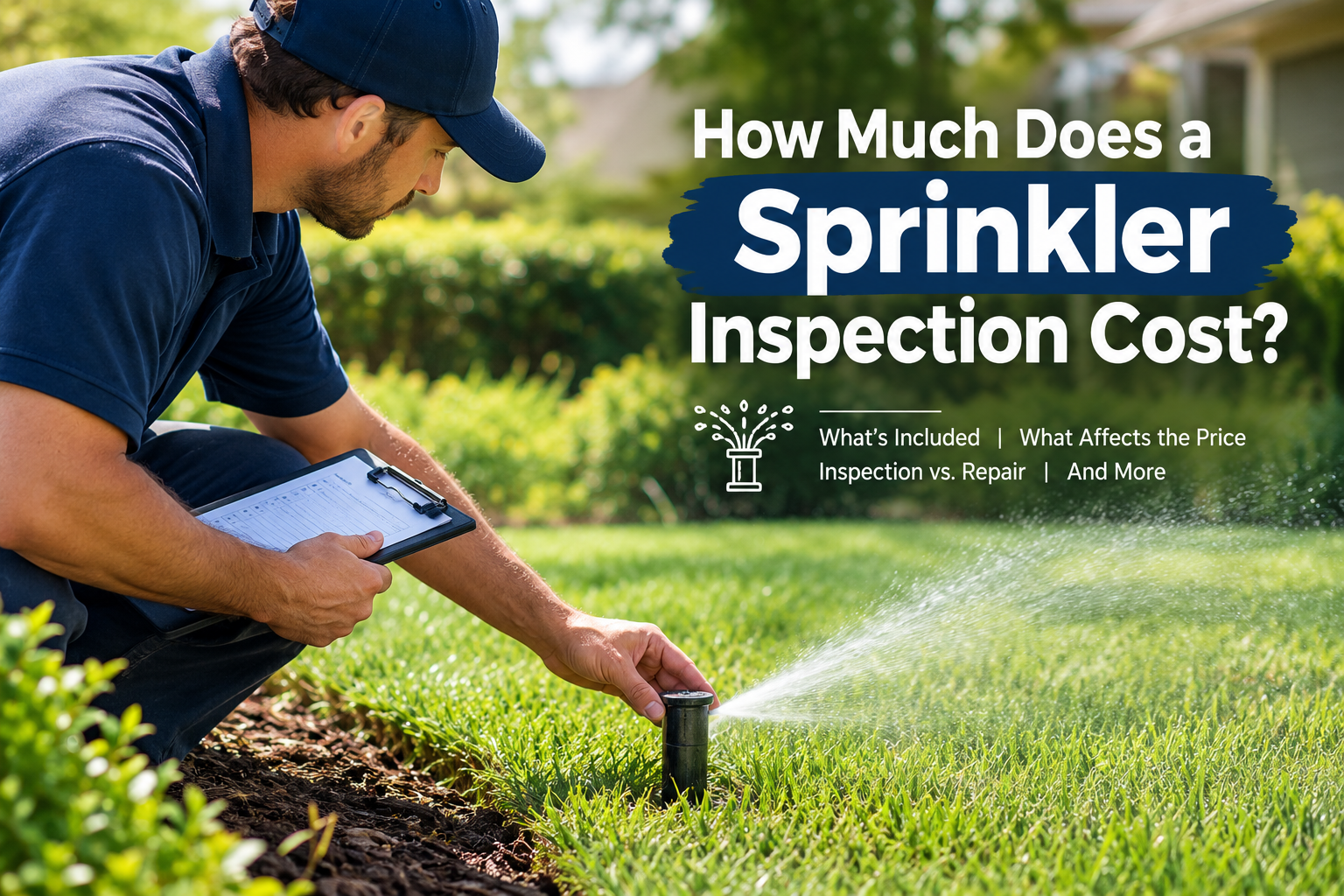
An annual inspection is a useful starting point for many residential irrigation systems. Properties with heavy use, recurring leaks, or older equipment may benefit from more frequent checks.
An inspection can identify developing problems with valves, controllers, pipes, sprinkler heads, and system performance.
15. When Should You Call a Professional Sprinkler Repair Service?
Homeowners can often handle basic maintenance, but some irrigation problems require specialist tools, testing, or repairs.
Knowing when to stop troubleshooting can prevent additional damage.
Consider Professional Help When:
- A sprinkler zone will not activate despite correct controller settings.
- Several zones have weak water pressure.
- Water continues flowing after the system is switched off.
- An underground pipe leak is suspected.
- A valve repeatedly fails or leaks.
- The controller displays persistent electrical errors.
- A pump makes unusual noises or fails to deliver water.
- Sprinkler heads continue malfunctioning after cleaning.
- Water pressure problems affect the entire system.
- Previous repairs have not resolved the problem.
Professional diagnosis is particularly useful when multiple symptoms appear together.
For example, low pressure and wet soil may indicate an underground leak. A zone that will not activate could involve both a valve and a wiring problem.
Identifying the underlying cause helps avoid temporary fixes and unnecessary part replacements.
Professional Sprinkler Repair in Okaloosa County, Florida
Summit Outdoors Irrigation specializes in diagnosing and repairing existing irrigation systems throughout Okaloosa County and nearby communities.
Its repair services address common issues involving sprinkler heads, leaking valves, damaged pipes, irrigation controllers, and inconsistent water pressure.
The company serves homeowners in Fort Walton Beach, Niceville, Destin, Shalimar, and surrounding areas.
If your irrigation system is not operating correctly, explore these local service resources:
- Sprinkler repair in Fort Walton Beach, FL
- Sprinkler repair in Niceville, FL
- Sprinkler repair in Destin, FL
- Sprinkler repair in Shalimar, FL
Choosing the correct service area page makes it easier to find information relevant to your location.
Frequently Asked Questions About Common Sprinkler Problems
1. What Are the Most Common Sprinkler System Problems?
The most common problems include broken sprinkler heads, clogged nozzles, low water pressure, leaking pipes, faulty valves, controller malfunctions, and uneven watering.
Some issues are caused by physical damage or normal wear, while others result from electrical failures, water supply restrictions, or incorrect scheduling.
Identifying the symptoms and determining whether the problem affects one head, one zone, or the entire system will help narrow down the cause.
2. Why Is My Sprinkler System Not Turning On?
A sprinkler system may fail to turn on because of a closed water valve, power failure, incorrect controller settings, a tripped circuit breaker, damaged wiring, or a faulty irrigation valve.
Start by confirming that the water supply is available and the controller has power.
Check the programmed schedule and any displayed error messages. If the system still does not operate, professional testing may be needed to identify the problem.
3. How Do I Find and Fix a Leaking Sprinkler Valve?
Look for persistent wet areas or standing water around the valve box, particularly when the irrigation system is switched off.
A leaking valve may have debris trapped inside, damaged internal components, or a worn diaphragm.
Turn off the water supply before inspecting the valve, and follow the manufacturer’s instructions. If the valve continues leaking or you cannot identify the cause, professional repair may be necessary.
4. What Should I Do If Some Sprinkler Heads Do Not Pop Up?
Check whether grass, soil, or mulch is obstructing the heads.
Clean accessible debris according to the manufacturer’s instructions and inspect the sprinkler for visible damage.
If the head still does not rise, the problem may involve low pressure, a damaged internal mechanism, or a restricted water supply.
When several heads fail together, investigate the zone’s water flow rather than replacing every sprinkler head immediately.
5. Why Is My Sprinkler System Losing Water Pressure?
Low pressure can result from leaking pipes, clogged filters, partially closed valves, damaged sprinkler components, or an insufficient water supply.
First, determine whether the issue affects one sprinkler, one zone, or the entire system.
Inspect accessible components and look for signs of leakage. If the problem persists, pressure and flow testing can help identify the underlying cause.
6. Can I Fix Common Sprinkler Problems Myself?
Yes. Some basic maintenance tasks are suitable for homeowners.
You may be able to clean a clogged nozzle, remove grass blocking a sprinkler head, adjust spray direction, or correct a controller schedule.
However, underground pipe repairs, persistent valve leaks, electrical failures, and complicated pressure problems may require professional assistance.
Always turn off the system before performing maintenance and follow the equipment manufacturer’s instructions.
7. How Often Should I Inspect My Sprinkler System?
Inspect your sprinkler system regularly during the watering season and whenever you notice changes in lawn health or water consumption.
Checking each zone during operation helps identify damaged heads, blocked nozzles, leaks, and uneven coverage.
An annual professional inspection is a useful starting point, although systems with recurring problems may require additional attention.
8. Why Does My Lawn Have Dry Patches Even When the Sprinklers Are Running?
Dry patches may indicate clogged nozzles, misaligned sprinkler heads, low pressure, poor head spacing, or obstructions blocking the spray.
Before increasing the watering duration, observe the affected zone and confirm that water reaches the dry areas.
If the spray pattern is correct but the grass remains unhealthy, other factors such as soil compaction, pests, or lawn disease may need investigation.
9. Why Does My Sprinkler System Keep Running After the Cycle Ends?
A sprinkler system may continue running because a valve is not closing properly, debris is interfering with its internal components, or the controller has incorrect settings.
First, check the controller and determine whether the system is continuing to run electrically or water is draining from the pipes after the cycle ends.
If water continues flowing continuously, turn off the irrigation water supply when safe to do so and arrange an inspection.
10. When Should I Replace a Sprinkler Head Instead of Repairing It?
Replacement is generally appropriate when the housing is cracked, internal parts are damaged, or the sprinkler cannot be restored through cleaning and adjustment.
A clogged nozzle or misaligned head may only require maintenance.
Choose a compatible replacement that meets the system’s pressure, flow, and coverage requirements to maintain even watering.
Conclusion: Keep Your Sprinkler System Operating Efficiently
A properly functioning sprinkler system is essential for maintaining a healthy lawn and attractive landscape. However, damaged heads, clogged nozzles, leaking valves, underground pipe problems, electrical failures, and pressure irregularities can affect performance over time.
The key to effective sprinkler troubleshooting is to identify the symptoms, determine which part of the system is affected, and investigate the underlying cause before replacing components.
Simple tasks such as cleaning accessible nozzles, adjusting sprinkler direction, checking controller settings, and inspecting for visible leaks can help prevent many common problems.
More complicated issues, including underground leaks, persistent low pressure, faulty valves, and electrical failures, may require professional diagnosis.
Regular maintenance can reduce water waste, improve irrigation coverage, and help your lawn receive the water it needs.
If your sprinkler system is experiencing recurring problems, contact Summit Outdoors Irrigation to learn more about professional irrigation repair services in Okaloosa County, Florida.
Whether you need help diagnosing a leaking valve, repairing a damaged sprinkler head, investigating low pressure, or troubleshooting a malfunctioning zone, addressing the issue promptly can help restore reliable system performance and protect your landscape.