Lawn care for beginners starts with understanding your grass type, testing your soil, and following the right watering and mowing routine. With a few simple practices, you can maintain a healthy, green lawn throughout the growing season.
Learn more about professional irrigation services.
Lawn Care for Beginners: Essential Basics
Starting your lawn care journey means understanding the basics. First, learn about your yard’s specific needs, beginning with the type and condition of your soil. This information will help guide your decisions about watering, fertilizing, and other maintenance tasks.
Proper mowing techniques, choosing the right grass seed, and following a consistent maintenance schedule are all important. By mastering these basics, you can build a strong foundation for a healthy lawn that is better equipped to withstand pests and diseases.
Related guides:
- Essential Lawn Care and Watering Tips for Beginners
- Effective Lawn Watering Schedule for Florida Homes
Understanding Your Lawn Type
The first step is identifying the type of grass growing in your yard. Grasses generally fall into two categories: warm-season and cool-season grasses.
If you live in the southern United States, you likely have warm-season grass such as Bermuda, Zoysia, or St. Augustine. These varieties thrive in hot weather and typically become dormant when temperatures drop.
Cool-season grasses, such as Kentucky bluegrass and tall fescue, are more common in northern regions. They grow best during the cooler temperatures of spring and fall. The ideal timing for major lawn care activities depends on your grass type.
If you live in the middle of the country, you may be in the transition zone, where both types of grass can grow. Identifying your grass type is important because it determines your watering, mowing, and fertilizing schedule.
Learn more about irrigation science.
Assessing Soil Quality and pH Levels
Healthy soil is the foundation of a beautiful lawn. Before starting a lawn care routine, consider conducting a soil test. It provides useful information about your soil’s pH level and nutrient content. You can use a DIY testing kit or send a sample to a laboratory for more detailed results.
Your soil may be sandy, clay-based, or loamy, and its organic matter content also affects grass growth. Most common lawn grasses prefer a soil pH between 6.0 and 7.0, although the ideal range varies by grass type. If your soil pH is too high or too low, the test results can help determine which amendments may be needed.
Understanding your soil’s condition helps you choose suitable fertilizers and soil amendments, ensuring your lawn receives the nutrients it needs. Testing your soil every few years is a useful way to monitor its condition.
Related guide: Common Sprinkler Problems: A Complete Diagnosis Guide.
Learn more about soil pH.
Selecting the Right Grass Seed for Your Region
Choosing the right grass seed is essential when establishing a new lawn or overseeding an existing one. Your choice should depend on your local climate and the grass already growing in your yard.
For cooler northern climates, Kentucky bluegrass, perennial ryegrass, and fescues are popular choices. These grasses generally perform well in cooler temperatures and can maintain a healthy appearance during spring and fall.
In warmer southern climates, warm-season grasses such as Bermudagrass and Zoysia are better suited to the heat. Cool-season grasses are generally best seeded in early fall or spring, while warm-season grasses are often established in late spring or early summer.
When overseeding, choose grass seed that is compatible with your existing lawn. This helps fill bare patches, improve turf density, and create a more uniform appearance.
Related guides:
Essential Lawn Care Tips for Beginners
Every homeowner can maintain a healthier lawn by following a few essential practices. Consistency matters, whether you’re mowing correctly, watering deeply, or managing weeds and pests. Simple tasks such as regular weed control and occasional lawn aeration can make a noticeable difference in the health and appearance of your grass.
To keep your lawn green and healthy, it’s important to understand when to perform each task. From fertilizing to overseeding, proper timing can improve results. Let’s explore some practical techniques to help you build an effective lawn care routine.
Related guides:
Mowing Best Practices for a Healthy Lawn
Proper mowing is more than a routine chore; it’s an important part of maintaining a healthy lawn. One of the most important rules is to never cut more than one-third of the grass blade’s height in a single session. Cutting grass too short, also known as scalping, can stress the turf and make it more vulnerable to weeds and diseases.
The ideal mowing height depends on your grass type. Keep your mower blades sharp to ensure a clean cut, as dull blades can tear the grass and leave it more susceptible to problems.
For a healthier lawn, follow these tips:
- Vary your mowing pattern: This encourages upright growth and helps prevent ruts.
- Leave grass clippings: Mulching clippings returns valuable nutrients to the soil.
Adjusting your mowing height according to the season and grass growth rate can also help create a thicker, more resilient lawn.
How Often to Edge and Trim for a Neat Appearance
A neat lawn requires more than regular mowing. Edging and trimming create clean lines along driveways, walkways, and flower beds. A weed eater, also called a string trimmer, helps cut grass in areas that a lawn mower cannot easily reach.
How often you need to edge and trim depends on your grass growth rate and preferred appearance. During the peak growing season, weekly trimming may be necessary to maintain a tidy look. An edger creates clear boundaries and helps prevent grass from spreading into unwanted areas.
For the best results, trim after mowing. This allows you to clean up remaining grass clippings and maintain a consistent appearance across your yard.
Quick Steps to Improve Lawn Health
If you want to improve your lawn’s health, there are several practical steps you can take. Aeration is one option, especially when soil compaction limits the movement of air, water, and nutrients. This process removes small plugs of soil, allowing these essentials to reach the roots more effectively.
Applying soil amendments based on your soil test can also improve soil conditions. These amendments help correct pH imbalances and support healthier grass growth.
For visible improvements, try these simple actions:
- Mow at the correct height: Proper mowing helps the lawn look fuller and healthier.
- Water deeply: Adequate moisture helps grass maintain its color and growth.
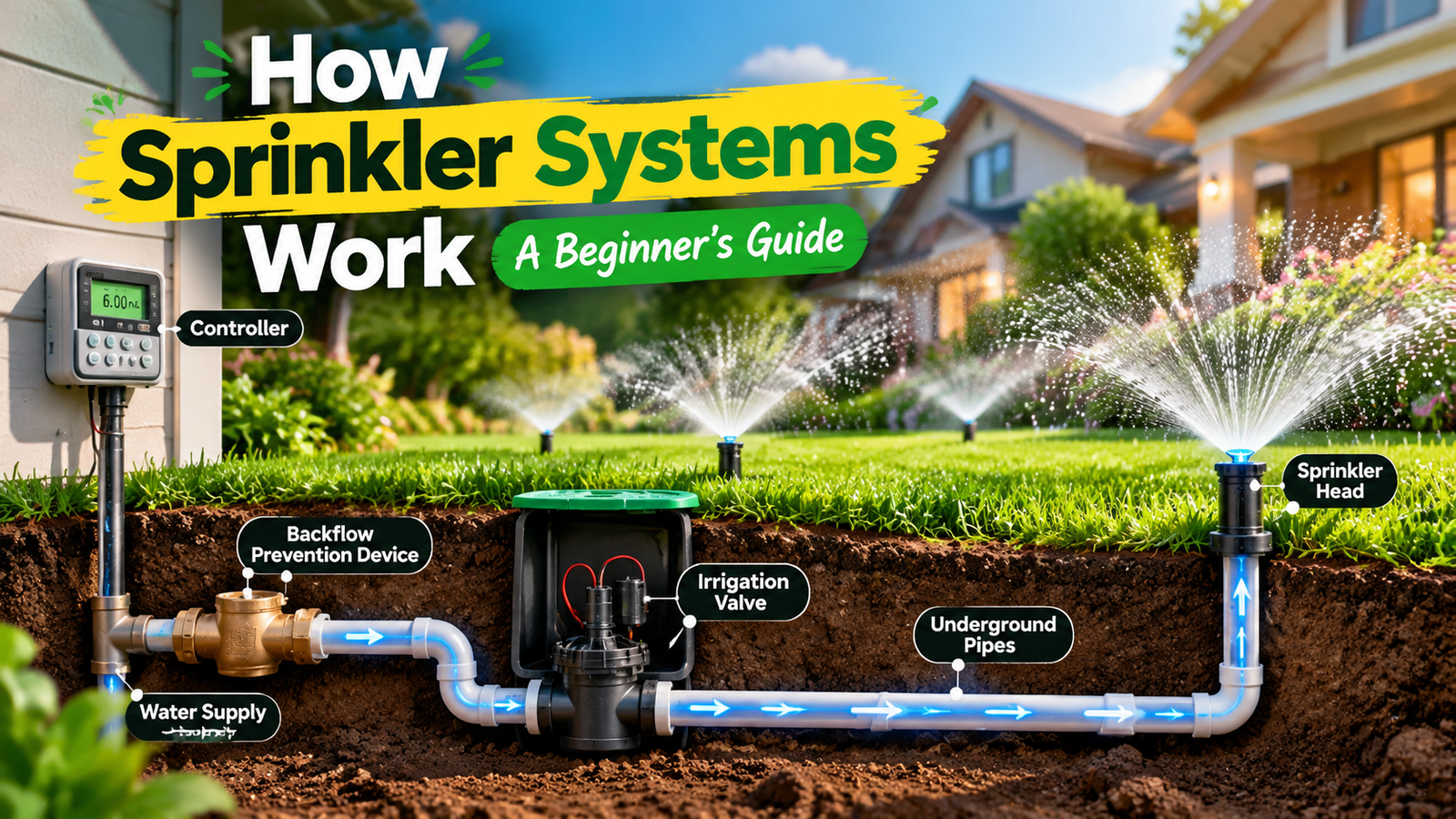
- Check your irrigation system: Ensure sprinklers distribute water evenly across the lawn.
These simple steps, combined with regular maintenance, can help you develop a healthier and more resilient lawn.
Related guide: Top Signs Your Fort Walton Beach Sprinkler Needs Repair.
Tools Needed for Basic Lawn Maintenance
Having the right equipment makes lawn maintenance easier and more effective. You don’t need a large collection of tools to get started, but a few essentials can help you complete routine tasks more efficiently.
A reliable lawn mower is the most important tool, while equipment for trimming, seeding, and fertilizing can also be useful. Your specific needs will depend on the size of your lawn and the results of your soil test.
Lawn Care for Beginners: Yearly Schedule
Planning your lawn care activities throughout the year helps you provide the right maintenance at the right time.
Related guides:
Must-Have Lawn Care Equipment
Every homeowner should have a few basic tools for routine lawn maintenance. A lawn mower is essential, but other equipment can make tasks such as seeding, fertilizing, and trimming easier.
A spreader helps distribute fertilizer and grass seed evenly. A garden hose with an appropriate sprayer attachment can be useful for watering and certain lawn treatments.
Here are the basic tools to consider:
- Lawn Mower: For regular grass cutting.
- Spreader: For applying fertilizer and grass seed evenly.
- Weed Eater/String Trimmer: For trimming edges and hard-to-reach areas.
Depending on your lawn’s condition, you may also need aeration or dethatching equipment. You can rent specialized tools when necessary instead of purchasing everything at once.
Lawn Care for Beginners: Watering Guide
Proper irrigation is essential for maintaining healthy grass. A well-planned watering routine encourages deeper root growth and helps prevent water waste.
Related guides:
Choosing Quality Tools for Beginners
When you’re starting out, choosing lawn care equipment can feel overwhelming. Focus on durable tools that suit your lawn’s size and your physical abilities. Investing in reliable equipment can save you money and reduce maintenance problems over time.
For a small yard, a walk-behind mower may be sufficient. Larger properties may benefit from a riding mower. You can also look for off-season sales, provided the equipment meets your needs.
Good tools make lawn care easier and more enjoyable. If you only need specialized equipment occasionally, consider renting an aerator or hiring a professional lawn care service for specific tasks.
Seasonal Lawn Care for Beginners
Your lawn’s needs change throughout the year, making seasonal maintenance an important part of keeping grass healthy.
Related guides:
Caring for and Maintaining Your Lawn Tools
Maintaining your lawn care equipment is just as important as using it correctly. Well-maintained tools perform better, last longer, and help you achieve better results.
After each use, remove grass clippings and dirt from your mower deck and clean your spreader to prevent blockages. Keeping your tools clean also makes them easier to use the next time you need them.
Sharpening mower blades is especially important. Dull blades tear grass rather than cutting it cleanly, which can leave the lawn looking uneven and increase the risk of damage. Check your blades regularly and sharpen them as needed, following the manufacturer’s recommendations.
Keep these simple maintenance tips in mind:
- Clean tools after every use.
- Sharpen mower blades regularly.
- Check and change the oil in gas-powered equipment as recommended.
Following a basic maintenance routine protects your equipment and helps you care for your lawn more efficiently.
Creating a Yearly Lawn Care Schedule
A year-round lawn care schedule helps you plan maintenance according to your grass type, local climate, and growing season. Your lawn’s needs change throughout the year, so a seasonal approach is more effective than performing every task at the same time.
This schedule provides a general overview of the work needed to keep your lawn healthy, from spring preparation to winter protection.
Monthly Lawn Care Tasks Explained
A monthly checklist helps you stay consistent with lawn maintenance. During the active growing season, mowing and watering may be more frequent. During dormant periods, your focus can shift toward protecting the lawn and maintaining your equipment.
Soil testing can help you determine when fertilizer is needed and which nutrients may be lacking. Use the following seasonal schedule as a starting point and adjust it to your local weather and grass type.
| Season | Monthly Tasks |
|---|---|
| Spring (Mar–May) | Begin mowing as needed, apply pre-emergent weed control at the appropriate time, fertilize according to your grass type, and aerate if necessary. |
| Summer (Jun–Aug) | Mow regularly, water deeply, spot-treat weeds, and monitor for pests and diseases. |
| Fall (Sep–Nov) | Overseed cool-season lawns when appropriate, fertilize according to grass type, continue mowing, and remove fallen leaves. |
| Winter (Dec–Feb) | Minimize traffic on dormant or frozen grass and clean and maintain lawn care equipment. |
Adjusting Your Routine for Seasonal Changes
An effective lawn care plan should adapt to seasonal changes. Your lawn has different needs during summer heat than it does during the cooler months of fall and spring.
For example, you may need to adjust watering during hot, dry periods and reduce it when rainfall increases or temperatures fall. Fertilizing schedules also vary by grass type. Cool-season grasses generally benefit from fall fertilization, while warm-season grasses are typically fertilized during active growth in late spring and summer.
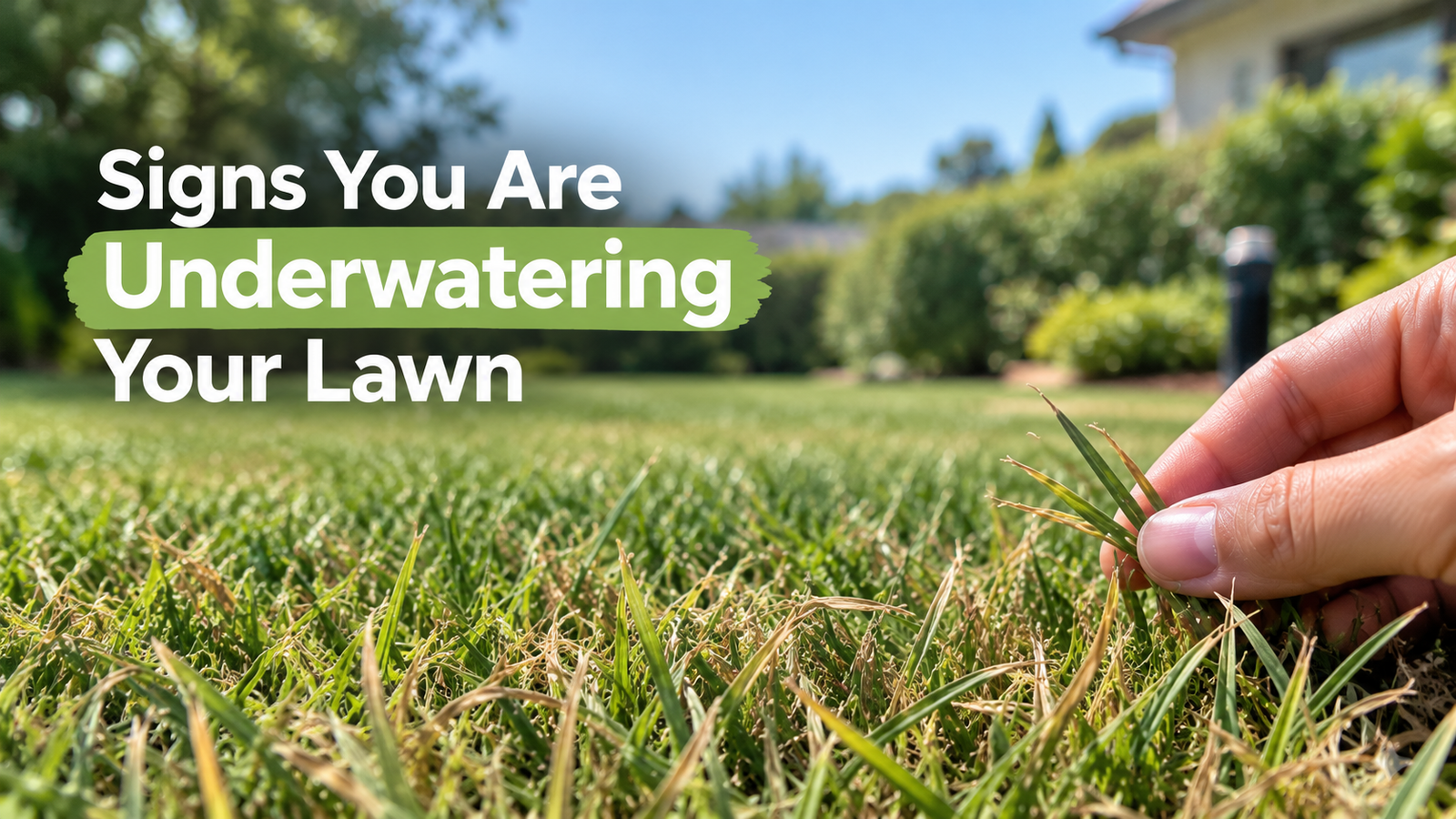
Pay attention to signs of stress, such as wilting, discoloration, or visible footprints that remain after walking across the grass. These signs can help you determine whether your lawn needs changes to its watering or maintenance routine.
Strategies to Stay Consistent With Lawn Maintenance
Consistency is one of the most important parts of successful lawn care. While spring may be an easy time to get started, maintaining your routine throughout the year helps produce better results.
Break larger projects into smaller tasks. Instead of planning all your fall cleanup at once, schedule separate times for raking leaves, aerating, and fertilizing when appropriate.
Here are a few ways to stay on track:
- Set reminders for important tasks, such as fertilizing and equipment maintenance.
- Choose a regular mowing day based on your grass’s growth rate.
- Keep your tools clean and organized so they’re ready when needed.
A simple routine makes lawn maintenance easier to manage and helps you identify problems before they become more serious.
Lawn Watering Guide: Scheduling and Techniques
Proper watering is one of the most important aspects of lawn care. The goal is to provide enough moisture to support healthy roots without wasting water. Watering too lightly and too frequently can encourage shallow root growth, making grass less resilient during dry weather.
Understanding when to water and how much moisture your lawn needs can improve your watering routine and overall lawn health.
Developing an Effective Lawn Watering Schedule
An effective watering schedule focuses on consistency and efficiency. Instead of watering lightly every day, most established lawns benefit from deeper, less frequent watering, adjusted for rainfall, soil type, and weather conditions.
As a general guideline, many lawns need around 1 to 1.5 inches of water per week from rainfall and irrigation combined. Actual requirements vary depending on grass type, temperature, soil, and local watering restrictions.
You can measure sprinkler output by placing several shallow, straight-sided containers around your lawn while the system runs. Check how much water collects in each container to estimate the amount applied and identify uneven coverage.
Adjust your schedule according to weather conditions. During hot, dry periods, your lawn may need additional water. In cooler or wetter weather, you can reduce irrigation. Signs of water stress, such as a grayish-blue color or footprints that remain visible in the grass, may indicate that it’s time to check soil moisture.
For more guidance, read our Florida lawn watering schedule.
How Often to Water Your Lawn During Spring, Summer, Fall, and Winter
Your lawn’s watering needs change throughout the year. In spring, rainfall may provide much of the moisture your grass needs, so additional watering may only be necessary during dry periods.
During summer, heat and evaporation can increase water demand. Depending on your grass type, soil, and rainfall, you may need to water deeply one to three times per week. Avoid following a fixed schedule without checking current conditions.
In fall, cooler temperatures and seasonal rainfall often allow you to reduce irrigation. In winter, dormant lawns in cooler climates generally need little or no additional water unless conditions are unusually dry. In warmer regions, occasional irrigation may still be necessary during extended dry periods.
Always check soil moisture and consider local watering restrictions before adjusting your schedule.
Best Way to Water Grass for Optimal Growth
Timing and technique both matter when watering your lawn. Early morning, generally between 6 a.m. and 10 a.m., is a good time because lower temperatures and reduced evaporation can help more water reach the soil.
Avoid frequent evening watering that leaves grass wet overnight, as prolonged moisture can encourage fungal diseases. Water deeply enough to moisten the root zone without creating runoff or puddles.
Follow these basic watering practices:
- Water deeply but infrequently when conditions allow.
- Water in the early morning to reduce evaporation.
- Use sprinklers with even coverage to avoid dry spots and overwatered areas.
- Check your sprinkler system regularly for leaks, blockages, and uneven spray patterns.
These practices help your lawn receive the moisture it needs while reducing unnecessary water use.
Seasonal Lawn Care Tips for Beginners
Adapting your lawn care routine to the changing seasons helps build a healthier, more resilient lawn. Each season presents different challenges, from spring growth to summer heat and winter dormancy.
Understanding these seasonal needs can help prevent common lawn problems and keep your grass in better condition throughout the year.
Essential Spring Lawn Care Tips
Early spring is a good time to prepare your lawn for the growing season. Start by removing leftover leaves and debris so sunlight and air can reach the grass. A soil test can also help you identify nutrient deficiencies and determine whether amendments are needed.
Begin mowing when the grass is actively growing and has reached the appropriate height. You can also apply a pre-emergent herbicide at the correct time to help prevent certain weeds, provided it is suitable for your lawn and future seeding plans.
Fertilize according to your grass type, local recommendations, and soil test results. Avoid applying unnecessary nutrients simply to encourage rapid growth.
If you plan to establish new grass, choose a planting time that suits your grass variety and local climate. Proper preparation can help your lawn develop a strong, healthy appearance during the growing season.
Summer Maintenance to Keep Grass Green
Summer heat can place considerable stress on your lawn. During these months, focus on proper watering, suitable mowing heights, and regular inspections.
Water deeply when needed, preferably in the early morning. Adjust your mower height to suit your grass type, and avoid cutting the grass too short. Taller grass can provide more shade for the soil and help reduce moisture loss.
Avoid major lawn projects when heat and drought conditions could stress the grass. Fertilize only when appropriate for your grass type and local growing conditions. Check regularly for signs of pests, disease, or irrigation problems, especially during hot and humid weather.
For more efficient watering, explore these water-saving sprinkler tips for Niceville homeowners.
Fall Preparation for Lawn Longevity
Fall is an important season for preparing your lawn for the following year. Cooler temperatures and seasonal moisture can create favorable conditions for root development and recovery, particularly for cool-season grasses.
Aeration can help relieve soil compaction when the lawn needs it. If your grass is thinning, overseeding may help fill bare areas and improve turf density. For cool-season grasses, fall is often an ideal time to fertilize and establish new grass.
Warm-season grasses have different seasonal needs, so adjust your maintenance schedule accordingly. Continue removing fallen leaves to prevent them from blocking sunlight and trapping excess moisture against the grass.
By completing appropriate maintenance in fall, you can help your lawn recover from summer stress and prepare for the next growing season.
Winter Lawn Care to Prevent Damage
Even when your lawn is dormant, a few simple steps can help protect it during winter. Minimize foot traffic on frozen or frosty grass, as pressure can damage the blades and contribute to visible patches.
Keep the lawn clear of leaves, debris, toys, and furniture that could smother the grass. In areas with heavy snowfall, avoid piling snow containing road salt or de-icing products onto the lawn.
Winter maintenance requirements depend on your local climate and grass type. Preparing in fall and protecting the lawn during dormancy can help it recover when active growth resumes.
Conclusion
Maintaining a vibrant, healthy lawn starts with understanding your grass type, assessing soil quality, and following a suitable seasonal care routine. By combining proper mowing, efficient watering, and timely maintenance, you can help your grass stay green and resilient throughout the year.
Remember to adjust your watering schedule according to rainfall, temperature, and your lawn’s specific needs. Using the right tools and checking your irrigation system regularly can also make lawn maintenance easier and more efficient.
If you need help improving your lawn’s watering system, visit Summit Outdoor Irrigation to learn more about professional irrigation services and support.
You can also explore our essential lawn care and watering guide for beginners for additional tips.
Lawn Care for Beginners: FAQs
What’s the Ideal Lawn Watering Schedule for Beginners?
For beginners, a good starting point is to provide around 1 to 1.5 inches of water per week, including rainfall. Many established lawns can receive this amount through one or two deep watering sessions, depending on soil type, grass variety, and weather. Early morning is generally the best time to water. Adjust your schedule according to current conditions and local restrictions.
How Do I Prevent Weeds and Bare Spots in My Lawn?
Prevent weeds and bare spots by maintaining dense, healthy grass. Mow at the correct height, water appropriately, and use suitable weed control methods when needed. A pre-emergent herbicide can help prevent certain weeds from germinating, but it may also interfere with grass seed establishment. Overseed thinning areas at the right time for your grass type and improve soil conditions when necessary.
What Steps Can I Take to Make My Lawn Look Healthier Right Away?
Start by mowing at the correct height and checking whether your lawn needs water. Proper mowing can make grass look fuller, while watering can improve its appearance if it is suffering from drought stress. Leaving grass clippings on the lawn after mowing can also return nutrients to the soil. For longer-lasting improvements, address underlying soil, drainage, and irrigation problems.